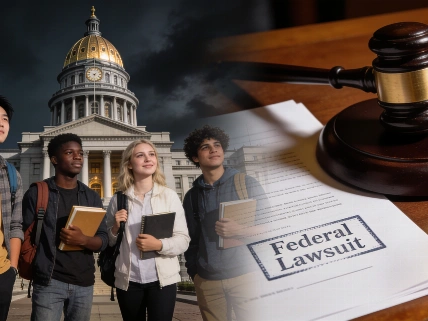
A federal appeals court has paved the way for long-delayed student loan discharges tied to the Sweet settlement, putting more than 450,000 borrowers on track for relief and refunds
A long-running legal fight over student loan forgiveness for borrowers who say they were misled by their colleges is nearing its end. After a July 17 ruling from the U.S. Court of Appeals for the 9th Circuit, the Education Department is now under heavier pressure to finish loan discharges tied to the Sweet settlement, a case that has moved across three presidential administrations.
The lawsuit began as Sweet v. DeVos in 2019, when borrowers alleged that the department had stalled or rejected claims under the borrower defense rule. That federal protection is meant to let borrowers seek cancellation of their loans if a school lied about job placement, transfer credits, earnings potential or other key facts that influenced enrollment decisions. The case later became Sweet v. Cardona and is now Sweet v. McMahon, reflecting the changing leadership at the Education Department.
At the center of the dispute is not just whether relief exists, but how quickly it gets delivered. In 2022, the Biden administration agreed to a settlement that promised automatic loan relief to borrowers who attended a long list of more than 150 mostly for-profit colleges, along with a separate application window for more than 250,000 additional borrowers. The department was supposed to review those newer claims on a deadline. Court filings later showed that the second Trump administration had processed only 60,000 of them by that point.
The appeals court said the settlement's obligations were clear and that the department waited years before objecting. That reasoning matters because borrower defense claims are often time-sensitive for people already dealing with damaged credit, collection risk and years of payments on loans tied to schools they say misled them. The ruling makes it harder for the department to slow-walk the process further, even as it has argued that it needs more time to sort legitimate claims from weaker ones.
According to the Project on Predatory Student Lending, the Sweet settlement has already affected more than 450,000 people and improved their balance sheets by more than $23 billion. Once the remaining discharges and refunds are finished, it will be the largest settlement ever against the U.S. government. The department had already delivered about $12 billion in loan discharges and refunds to nearly 300,000 borrowers by the time of the 2022 settlement rollout, and the latest ruling suggests that total will keep rising.
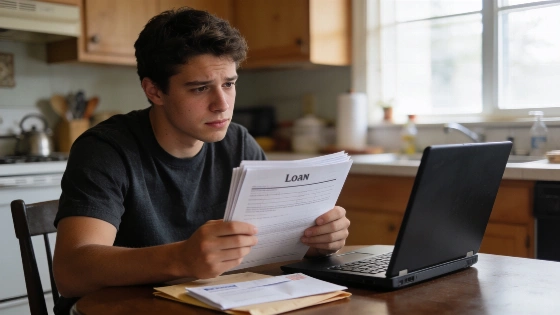
For borrowers, the practical significance is simple: relief that was promised years ago is finally becoming real. That includes people who had already been paying on federal loans they believe should never have existed in full, as well as former students who may receive refunds on payments tied to approved claims. The process is still administrative, not automatic for everyone, and borrowers should not assume every claim will be approved the same way. But the legal path that had delayed the program for years now appears to be closing.
Jessica Feindt, a borrower from near Flint, Mich., is one of the people affected by the settlement. She attended University of Phoenix and later said she was misled about whether Michigan graduate programs would accept her degree. She filed a borrower defense claim in 2022 and has since seen her college debt erased. For borrowers like her, the outcome is not only a balance-sheet event. It can also reset credit reports, reduce monthly obligations and, in some cases, return money that was paid on loans tied to alleged school misconduct.
Borrower defense is a narrow federal remedy, but it has become a major test of how the Education Department handles consumer protection in higher education. The rule exists because federal student loans are often extended before students can fully judge whether a school's promises are credible. When those promises turn out to be false, the question becomes whether the government can move fast enough to fix the damage. In this case, the answer has been delayed for years, and the court has now made that delay harder to defend.