
401(k) Plans
34 articlesThe strongest articles will unpack retirement taxes, Medicare planning and beneficiary planning and bring in 401(k) plans, individual retirement accounts and Roth IRA only where they clarify costs, eligibility, reporting duties, account access or investment exposure.

Automated index investing can build wealth without market expertise
Vanguard's 2026 retirement-plan report finds much higher participation in plans with automatic enrollment. Its figures show why steady contributions may matter more than trying to time the market.

Disciplined Investing Turns Modest Contributions Into Million Dollar Portfolios
Consistent monthly investing and the power of compounding can turn even moderate contributions into a seven-figure portfolio over time. See how starting early and staying disciplined changes the math for long-term investors

Divorce Can Leave Your Ex as Beneficiary Unless You Act Fast
Many Americans overlook a critical step after divorce that can let an ex-spouse inherit retirement accounts, life insurance, or other assets despite a new will. Here's what actually overrides your intentions and how to fix it before it's too late

Social Security Gaps Leave Women Facing Lower Retirement Income
Women in the U.S. routinely receive smaller Social Security checks than men due to lower lifetime earnings and interrupted careers. The difference can reach thousands of dollars per year and compound over decades of retirement.

Kevin O'Leary's 15 Percent Savings Rule Faces a Harsh Paycheck Reality
Kevin O'Leary's 15 percent savings formula promises millions, but the median 401(k) balance is just $44,115 as rising rates and real incomes reveal the gap between theory and reality.

Hidden Costs of Rolling Over a 401(k) to an IRA
Rolling over a 401(k) to an IRA can trigger unexpected taxes, penalties, and higher fees. Understanding the rules and comparing costs is essential to avoid costly mistakes that could erode your retirement savings.

Why Treasury Yields Are Surging?
With just 29% of U.S. workers covered by traditional pensions and a sharp divide between public and private sector benefits, the shift to 401(k)s is reshaping retirement security and placing more risk on individuals

How Much Gen X May Need Saved for Retirement
Roughly 40% of Gen X households have no retirement savings, and those with accounts often fall short of industry benchmarks, raising questions about how this generation will fund retirement as pensions disappear

Thinking of Retiring Before 65? Here's the Nest Egg You'll Need in Each State
Retiring before age 65 can mean losing out on thousands in savings, higher health insurance costs, and reduced Social Security benefits-making early planning and backup strategies essential for financial security

The Retirement Nest Egg You'll Need In Each State
Consistent saving and resisting lifestyle inflation can help you build a substantial net worth-even without a high salary. Learn how compounding, automation, and disciplined habits can accelerate your financial progress over time

Retiring Early: How Much You Need in Your 401(k) in Your 40s and 50s
Retiring before 60 means your 401(k) must last longer, but early withdrawals can trigger penalties. See how much savers in their 40s and 50s typically have-and why you may need far more to leave work early

Target Date Funds May Miss Key Retirement Risks for Investors
Millions rely on target date funds for retirement, but these funds often ignore personal factors like pensions, Social Security timing, and risk tolerance-potentially leaving investors exposed as they approach retirement

Robert Kiyosaki Flags Major 401(k) Risk as Market Hits Highs
As U.S. stocks reach new records, Robert Kiyosaki warns that Americans relying on 401(k)s packed with equities could face steep losses if a severe downturn hits, raising questions about portfolio risk and retirement timing

How a $400 Monthly Investment in Invesco QQQ ETF Can Grow to $1 Million
Investing $400 a month in the Invesco QQQ ETF, which tracks the Nasdaq-100, could potentially surpass $1 million over 30 years if historical average returns hold, but volatility and timing risks remain key factors

Why Regular Investing Is the Easiest Way to Build Wealth
Investors who stick to a disciplined schedule of contributions-even during market downturns-can lower their average cost per share and improve long-term returns, while those who pull back risk missing out on future market recoveries

How Much Do You Need to Retire?
Average 401(k) balances for Americans in their 60s fall well below what many believe is needed for a comfortable retirement, raising questions about savings strategies, spending expectations, and the role of Social Security

Schwab Flags Five Costly Money Traps Threatening Investor Returns
A new Schwab guide highlights five common behavioral mistakes that can quietly erode savings and investment gains, including panic selling, delayed retirement contributions, and overconcentration in single stocks

How Parenthood Changes Household Finances and Retirement Priorities
Raising children can consume up to 19% of household income, forcing many parents to cut back on retirement savings just as early investing matters most. Learn how to balance immediate family costs with long-term financial security

What 40-Somethings' Portfolios Really Look Like
A significant share of Americans in their 40s have little or no retirement savings, with median financial assets well below expert benchmarks-raising questions about how this generation will fund their future needs

When 401(k) Balances Peak: How Retirement Savings Change From Your 20s to 80
Median 401(k) balances more than double each decade from your 20s to 50s, but typically decline in your 60s and 70s as withdrawals and rollovers begin-reflecting the shift from saving to spending in retirement

Why Your Retirement Contribution Rate Matters More Than Most People Realize
Many Americans contribute less than 10% of their income to retirement plans, but even a 1% increase early in your career can add tens of thousands of dollars to your nest egg by retirement

Why SEC Mutual Fund Standards Matter for Retirement Investors
Retirement plan fiduciaries face growing pressure to evaluate investment performance, but not all funds are held to the same standards. Here's what makes SEC mutual fund reporting uniquely reliable-and why it matters for your 401(k)

Making Sense of Modern Crypto
Many Americans regret not saving enough for retirement as longer lifespans and rising healthcare costs strain personal finances. Early, consistent contributions-even small ones-can significantly improve future security

How Gen Z Is Saving for Retirement Earlier Than Previous Generations
Gen Z workers are building retirement savings earlier than their predecessors, with average 401(k) balances of $13,500 and a majority expressing confidence in their future financial security despite economic headwinds

How Much Millennials Have Saved So Far for Retirement
Vanguard data shows the typical millennial has less than $50,000 saved for retirement, but consistent contributions and compounding could still put a $1 million nest egg within reach for many-if they start early and increase savings rates

Median Earnings Rise to Nearly $60,000 for Workers Ages 25 to 34
Americans ages 25 to 34 now earn a median $59,280 annually-almost 50% more than younger workers-but rising student debt, rent, and delayed homebuying are squeezing savings and raising concerns about long-term financial security

Waiting Until 70 to Claim Social Security Can Pay Off Big
Delaying Social Security benefits until age 70 can boost monthly payments by more than 75% compared to claiming at 62, but the strategy requires careful planning to bridge income gaps and manage retirement savings withdrawals
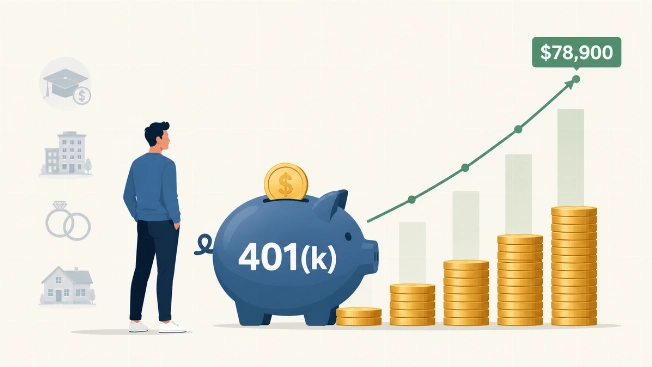
Median 401(k) Balances for Workers in Their 30s: What to Know
The typical 401(k) balance for Americans in their 30s is now $78,900, but competing financial demands and access to retirement plans can make saving a challenge for many in this age group

Retirement Savings Targets at 59: How Much Is Enough
Approaching age 59 means you're nearing penalty-free retirement withdrawals, but most Americans fall short of recommended savings multiples. See how much you should have saved, what the data shows, and practical steps to close the gap

Oppenheimer Warns S&P 500 Rally May Face Fall Correction Risk
With the S&P 500 at record highs and Nvidia now valued above most national economies, Oppenheimer is signaling a potential seasonal pullback that could test investors' resolve before year-end

How High Earners Max Out 401(k) Plans-and Why It Matters
Just 14% of U.S. workers with defined contribution plans reach the annual 401(k) contribution limit, with higher-income earners far more likely to do so. Early, aggressive saving can dramatically increase retirement balances through compounding

DOL Faces 40,000 Comments on New Retirement Plan Rules
The Department of Labor's proposed ERISA regulations have sparked over 40,000 public comments, revealing sharp divides among fiduciaries, plan sponsors, and industry groups over how retirement plans should handle private assets and litigation risk

How Leaving a Job Can Impact Your 401(k) and Retirement Savings
Changing jobs can trigger unexpected 401(k) moves, forced cash-outs, or automatic rollovers. Learn how balance size, account type, and IRS rules affect your options-and what steps to take to avoid taxes, penalties, or lost investment growth

How SpaceX’s Nasdaq-100 Debut Impacts Your 401(k) Investments
SpaceX’s rapid entry into the Nasdaq-100 means millions of Americans now hold a stake in Elon Musk’s company through index funds, even if they never bought the stock directly. Here’s what that means for your retirement portfolio and risk exposure