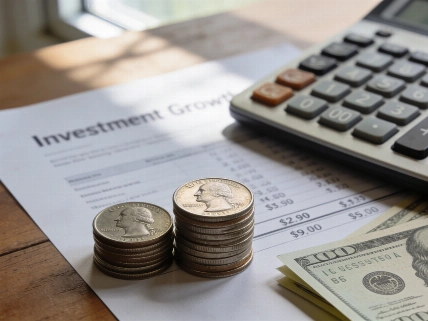

Consistent saving and resisting lifestyle inflation can help you build a substantial net worth-even without a high salary. Learn how compounding, automation, and disciplined habits can accelerate your financial progress over time
For many Americans, the idea of building a sizable net worth can seem out of reach without a high income. Yet, the most important drivers of long-term wealth are not salary size, but the habits and systems you put in place: steady saving, disciplined spending, and letting compounding work over time. Net worth is simply the value of what you own minus what you owe, and the gap can widen regardless of your paycheck if you make intentional financial choices.
While a high net worth can open doors-whether that means starting a business, retiring early, or having the flexibility to leave a job you dislike-reaching that milestone is less about windfalls and more about consistent, practical steps. Even those who receive a sudden financial boost, such as an inheritance, often face the same core challenge: how to make money last and grow. For example, strategies for managing a lump sum are explored in this recent guide to handling a $50,000 inheritance.
Consistent Saving Over Time
Building wealth starts with regular saving, not sporadic deposits. Financial planners often recommend establishing an emergency fund with three to six months of living expenses, ideally in a high-yield savings account for both safety and some interest. Once that cushion is in place, channeling a portion of each paycheck into investment accounts-such as IRAs, 401(k)s, or taxable brokerage accounts-can help your money grow through market gains and compounding. The key is to make saving a routine, not an afterthought, so that even modest contributions add up over years.
According to the Federal Reserve's 2023 Survey of Consumer Finances, the median net worth for U.S. households was $192,900, but this figure varies widely by age, education, and region. Households that reported saving regularly, regardless of income, were far more likely to accumulate assets over time than those who saved only occasionally or in response to windfalls.
Automating and Prioritizing Savings
One of the most effective ways to ensure you save consistently is to automate the process. Setting up automatic transfers from checking to savings or investment accounts removes the temptation to spend first and save later. Many employers also allow for automatic payroll deductions into retirement plans, such as 401(k)s, which can help you save pre-tax dollars and potentially benefit from employer matching contributions. Automation not only enforces discipline but also reduces the mental load of managing money, making it easier to stick to your goals over the long term.
Paying yourself first-allocating a set percentage of income to savings before covering discretionary expenses-can help prevent lifestyle inflation. This approach is especially important as your earnings rise, since it's easy to let spending expand alongside income. By locking in higher savings rates early, you give compounding more time to work in your favor.
Managing Lifestyle Creep and Compounding
As income grows, so does the temptation to upgrade your lifestyle. This phenomenon, known as lifestyle creep, can quietly erode your ability to save and invest. To counteract it, review your spending patterns regularly and set clear boundaries for how much of any raise or bonus will go toward new expenses versus savings. Some experts suggest earmarking a fixed percentage-such as saving 80% of any increase and spending the remaining 20%-to balance enjoyment with long-term goals.
Compounding is the process by which investment returns generate their own returns over time. The earlier you start, the more powerful this effect becomes, even if you're only able to invest small amounts. For example, $200 invested monthly at a 6% annual return grows to over $46,000 after 10 years and more than $200,000 after 30 years, before taxes and fees. The patience to let investments grow, rather than chasing short-term gains or reacting to market swings, is often what separates those who build wealth from those who struggle to get ahead.
Understanding compounding also means setting realistic expectations. Net worth typically grows slowly at first, then accelerates as returns build on themselves. Using online compound interest calculators can help you visualize how your savings might grow under different scenarios, reinforcing the value of starting early and staying consistent.
Compounding works across different types of accounts, from high-yield savings to retirement and brokerage accounts. The main requirement is time-allowing your money to remain invested and reinvesting any earnings. While market volatility can cause short-term setbacks, a long-term approach helps smooth out fluctuations and maximizes the benefits of compounding. For those with limited income, the discipline to save regularly and avoid unnecessary spending is often more important than chasing higher returns or trying to time the market.