
Retirement Investing
78 articlesVisitors can use the page to follow stock ownership, bond yields and diversification strategy, review examples and see how market volatility, long term investing and investment taxes changes the way a product, rule, account or market signal should be interpreted.

Regions Raises Its Dividend; KeyCorp Keeps Its Payout Flat
Regions raised its quarterly dividend to $0.30, while KeyCorp kept its payment at $0.205. The yield gap is small, but KeyCorp's rising nonperforming assets and multiyear freeze are risks for income investors.

Why Dividend Income Could Shape Retirement Portfolios Through 2030
Dividend-paying stocks can provide cash during market declines, but a high yield alone can mislead. For retirees, the balance between income now and dividend growth over time may matter through 2030.

A Dividend Cut Can Hit Retirees Twice
A dividend suspension can cut retirement cash flow just as the stock falls. SDY and VYM spread exposure across dividend payers; SPYI gets much of its distribution from options instead.
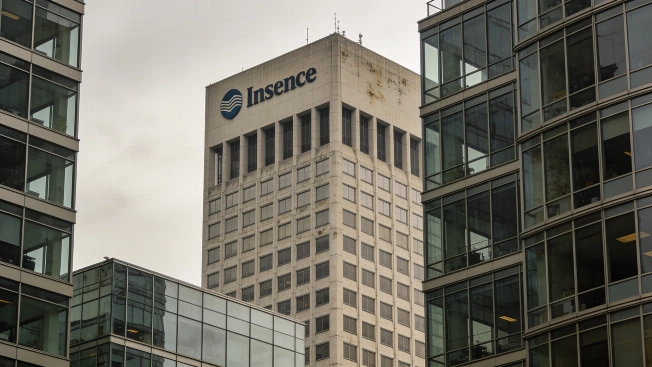
Sun Life's 3.4% Yield Is Backed by Earnings Coverage
Sun Life reported C$2.02 in underlying earnings per share against a C$0.96 quarterly dividend. That put its payout ratio at about 48%, though current coverage does not guarantee future payments.

Three Chemical Stocks Kept Raising Their Dividends
Dow and LyondellBasell cut quarterly dividends as the chemical downturn squeezed payouts. Linde, Ecolab and Sherwin-Williams raised theirs, backed by contracts, repeat demand and pricing power.

Is It Too Late to Start Investing? Why Starting Now Still Matters
More than half of workers report less than $100,000 in retirement savings. Hypothetical projections based on 8% annual growth show how steady investing could build a meaningful balance over time.

Automated index investing can build wealth without market expertise
Vanguard's 2026 retirement-plan report finds much higher participation in plans with automatic enrollment. Its figures show why steady contributions may matter more than trying to time the market.

Why owning the whole stock market is still a smart way to invest
Jack Bogle's index fund idea let regular people buy the whole market for almost nothing. Here's how his simple, long-term plan can help you build wealth and dodge the traps of stock picking and high fees.

Eight U.S. Cities Where Retirees Find Top Live Music and Lower Costs
Retirees seeking vibrant music scenes and manageable living costs have more options than just big cities. From Nashville to Sarasota, these eight U.S. destinations offer diverse venues, festivals, and retiree-friendly amenities that can shape your retirement budget.

Small weekly investments in SCHD can build a six figure portfolio
Investing just fifty dollars a week in the Schwab U.S. Dividend Equity ETF over two decades could turn steady contributions into more than a quarter million dollars with compounding and reinvested dividends
Dividend ETF choices for steady income in volatile markets
Three dividend ETFs with low fees and a focus on quality aim to deliver consistent income and capital preservation for investors seeking stability over high yields
Why Most Investors Underperform the S&P 500 Index Fund
Most investors who try to beat the market end up trailing a basic S&P 500 index fund. See why even professionals struggle to outperform and how a single ETF can anchor your portfolio for decades.

Social Security Gaps Leave Women Facing Lower Retirement Income
Women in the U.S. routinely receive smaller Social Security checks than men due to lower lifetime earnings and interrupted careers. The difference can reach thousands of dollars per year and compound over decades of retirement.

Retirees Face a Yield or Growth Dilemma in Volatile Markets
Many retirees hesitate to spend their savings, fearing they will outlive their money. Choosing between high-yield income and long-term growth investments can create risks if not balanced with cash reserves and a clear withdrawal plan.

SPDR Gold Shares dominates global gold ETF investing
SPDR Gold Shares holds over $130 billion in gold bullion and sets the standard for gold ETFs, but its higher fees and global reach raise questions about cost and access for U.S. investors seeking inflation protection
Why Dividend-Paying ETFs Can Be a Smart Choice for Retirees
Dividend-paying ETFs can help retirees generate steady income and potential growth, offering a way to keep up with inflation while avoiding the pitfalls of relying solely on cash savings

Early Market Losses Slash Retirement Savings Longevity, Schwab Warns
A steep market downturn in the first years of retirement can drain portfolios years faster than most investors realize, even if average returns later recover. Schwab's research reveals how sequence-of-returns risk can devastate withdrawal plans.

Jim Cramer's 20% Rule: When to Take Profits on Winning Stocks
As stocks notch double-digit gains, Jim Cramer urges investors to use a disciplined approach to profit-taking, warning that waiting too long can expose portfolios to sudden reversals.
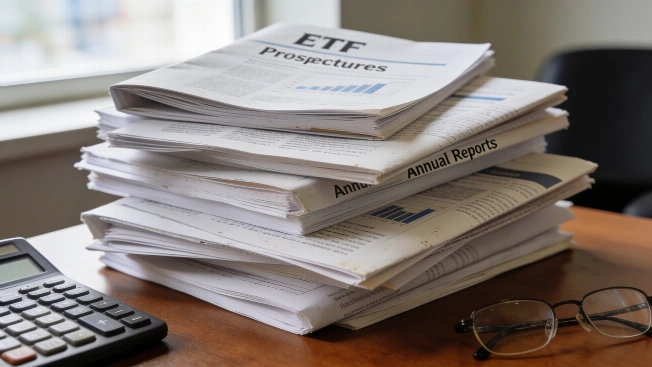
How Much You'd Need to Invest in SCHD or VYM to Replace Your Salary
Replacing a $65,000 salary with dividends from major ETFs like SCHD or VYM requires a multimillion-dollar investment. See how yield differences impact the amount needed and what it means for long-term income planning

Retirement Planning for Child-Free Adults: What You Need to Know
Adults without children may have fewer financial obligations, but retirement planning still demands careful attention to long-term care, estate management, and tax strategies to avoid costly gaps in coverage or unintended outcomes

Index Funds Must Boost SpaceX Holdings as Insider Shares Unlock
Index funds tracking major U.S. benchmarks will increase SpaceX holdings after a large insider lockup expires, even as the stock trades above analyst fair value and posts ongoing losses.

Hidden Costs of Rolling Over a 401(k) to an IRA
Rolling over a 401(k) to an IRA can trigger unexpected taxes, penalties, and higher fees. Understanding the rules and comparing costs is essential to avoid costly mistakes that could erode your retirement savings.

Vanguard VOO ETF Attracts $4.3B Inflows Despite S&P 500 Decline
Vanguard's VOO ETF drew $4.3 billion in new inflows last week even as the S&P 500 fell nearly 1%. Upcoming earnings from Nvidia and Apple may test the fund's resilience and underscore concentration risks.

How to Build a $1 Million Portfolio: A Simple Guide
Consistent investing in a broad-based index fund like the Vanguard S&P 500 ETF can turn regular monthly contributions into a seven-figure portfolio over time, but the timeline and risks depend on your discipline, market returns, and starting point
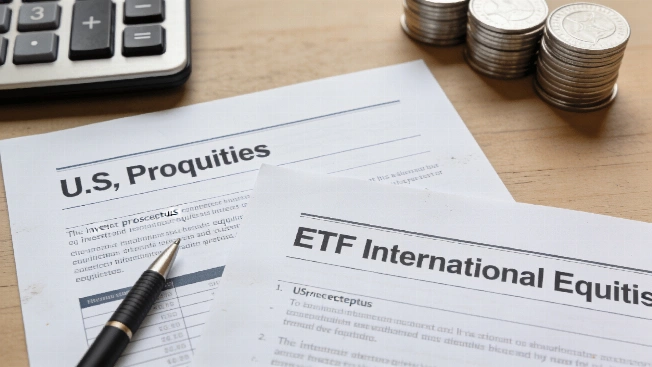
SCHD Investors Overlook Higher-Yield International Dividend ETF
Most U.S. dividend investors stick with SCHD, missing out on a similar Schwab fund that offers higher yields from international stocks-but tax rules and account type can flip the advantage

Why Brazil Is Becoming a Retirement Hotspot
Retiring in Brazil may cost less than $1,000 per month per person in select towns, with affordable housing, healthcare options, and a warm climate drawing U.S. retirees seeking a lower cost of living

Conway, New Hampshire: A Top Retirement Spot with Affordable Living and Outdoor Lifestyle
Conway, New Hampshire, stands out for retirees seeking lower housing costs, no state income tax, and year-round outdoor activities, but higher property taxes and limited public transit may affect household budgets and daily routines

Why Treasury Yields Are Surging?
With just 29% of U.S. workers covered by traditional pensions and a sharp divide between public and private sector benefits, the shift to 401(k)s is reshaping retirement security and placing more risk on individuals

Best Retirement Locations in the Southwestern United States
Retirees seeking lower living costs and tax advantages are increasingly looking to Texas, Arizona, New Mexico, and Oklahoma, where housing prices, property taxes, and daily expenses can be well below national averages

The Retirement Nest Egg You'll Need In Each State
Consistent saving and resisting lifestyle inflation can help you build a substantial net worth-even without a high salary. Learn how compounding, automation, and disciplined habits can accelerate your financial progress over time

Retiring Early: How Much You Need in Your 401(k) in Your 40s and 50s
Retiring before 60 means your 401(k) must last longer, but early withdrawals can trigger penalties. See how much savers in their 40s and 50s typically have-and why you may need far more to leave work early
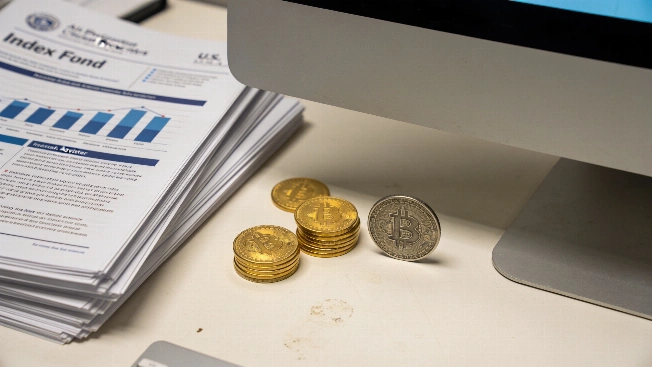
Jim Cramer's Three-Asset Strategy for Building Retirement Security
Jim Cramer urges retirees to focus on compounding, not trading, and outlines a three-part portfolio approach that balances index funds, select stocks, and insurance assets to help manage risk and long-term growth
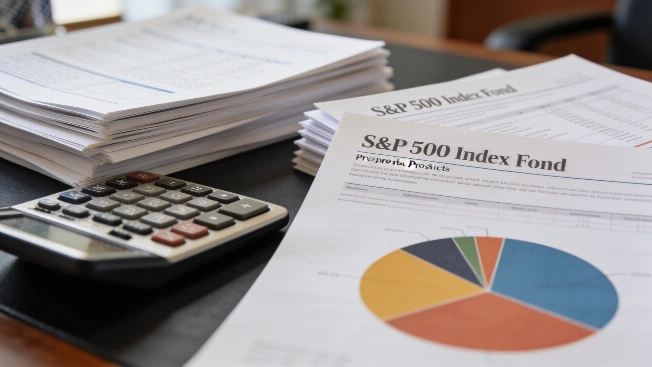
How to Become an S&P 500 Millionaire by Investing in Index ETFs
Investing in a low-cost S&P 500 index ETF like the Vanguard S&P 500 ETF can offer broad market exposure, instant diversification, and a track record of strong long-term returns for U.S. investors seeking to build substantial wealth

The 5 Best Places to Retire Abroad-And Why They're Worth It
Rising U.S. living costs are pushing more retirees to consider South America, where cities like Cuenca and Medellín offer affordable healthcare, mild climates, and monthly budgets as low as $841 for singles or $1,835 for couples
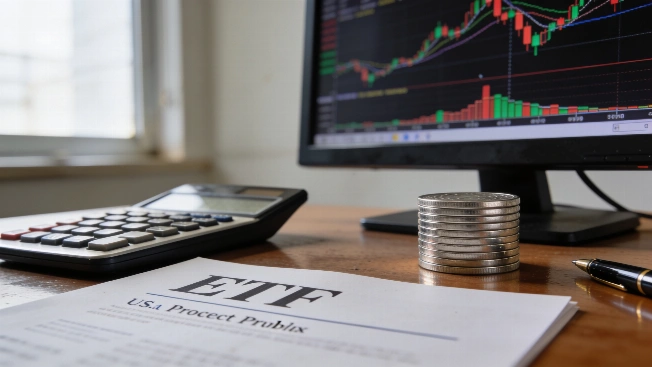
How a $400 Monthly Investment in Invesco QQQ ETF Can Grow to $1 Million
Investing $400 a month in the Invesco QQQ ETF, which tracks the Nasdaq-100, could potentially surpass $1 million over 30 years if historical average returns hold, but volatility and timing risks remain key factors

Is It Time to Pull Money Out of S&P 500 Index Funds?
With the S&P 500 reaching new highs and doubling since early 2023, investors face tough choices as market risks mount and safer alternatives become more appealing for those nearing retirement or needing cash soon

How to Generate a $500-Per-Month Passive Income Stream with SCHD
Building a $500 monthly passive income from dividends is possible with the Schwab U.S. Dividend Equity ETF, but it requires a significant upfront investment and a disciplined approach to compounding and reinvestment

How to Protect Your Retirement Savings Through Market Swings and Rising Costs
Rising costs and volatile markets are making it harder for retirees to ensure their savings last. Learn five practical strategies to help safeguard your retirement income and avoid common mistakes that can drain your nest egg too soon

The Costliest Retirement Mistake Investors Make in a Downturn
Selling stocks during a market drop can erase years of retirement gains. T. Rowe Price and Warren Buffett both warn that panic selling, not poor allocation, is the most damaging error for retirees seeking long-term growth

Why Regular Investing Is the Easiest Way to Build Wealth
Investors who stick to a disciplined schedule of contributions-even during market downturns-can lower their average cost per share and improve long-term returns, while those who pull back risk missing out on future market recoveries
Page 1 by 2