Mason City, Iowa, offers retirees a cost of living 6% below the U.S. average, median home prices under $155,000, and a vibrant arts scene-raising the question of what trade-offs, if any, come with small-city retirement in 2026
Retirees searching for a balance between affordability and quality of life are increasingly looking beyond major metro areas. Mason City, Iowa, stands out as a case study in how a smaller city can offer both financial relief and a rich cultural environment. Located in north central Iowa along the Winnebago River, Mason City combines the amenities of a city with the atmosphere of a close-knit community, making it one of the more attractive retirement destinations in the Midwest.
Housing and Cost of Living
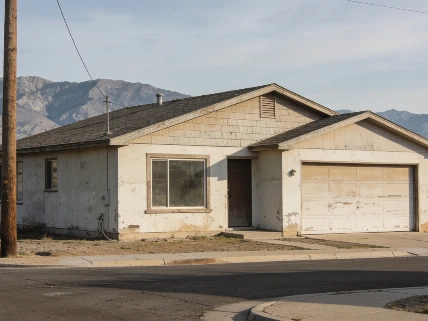
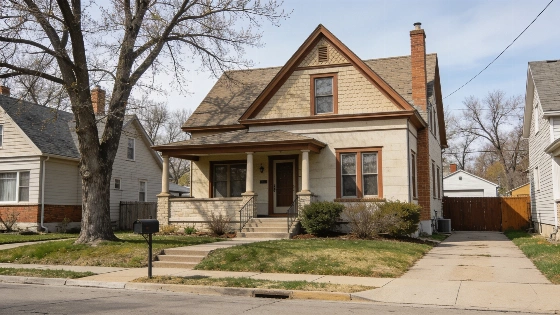
One of Mason City's most compelling draws is its low cost of living. According to reporting by Mason City, the city's overall cost of living is 6% below the national average and 41% below the Iowa state average. Housing is especially affordable: as of March 2026, the median sale price for a home in Mason City was $153,500, less than half the national median of $358,660. Renters also benefit, with median monthly rents at $882, compared to the U.S. average of $1,413. The property tax rate stands at 1.5%, which is competitive for the region. While the city is known for its Prairie School architecture-particularly in the Rock Crest and Rock Glen National Historic Districts-buyers can also find modern single-family homes and bungalows, especially in the Roosevelt area, which offers some of the most accessible prices in town.
For retirees on fixed incomes, these figures translate into more flexibility for discretionary spending or savings. Local grocery stores and restaurants often provide senior discounts and early-bird specials, further stretching retirement dollars. The city's walkability and public transit options, including five major bus lines, can also help reduce transportation costs for those who prefer not to drive.
Cultural and Community Life
Mason City's reputation as a cultural hub is rooted in its musical and architectural history. The city was home to Meredith Willson, creator of "The Music Man," and his legacy is celebrated at The Music Man Square. Annual events like the North Iowa Band Festival, which has run since 1936, draw visitors and locals alike, while the Iowa Independent Film Festival brings a weekend of screenings each August. The city's downtown is dotted with restored historic buildings, including the last remaining Frank Lloyd Wright-designed hotel, the Historic Park Inn Hotel, which remains in operation. Public art is a visible part of daily life, with the River City Sculptures on Parade offering a self-guided walking tour of works by artists from around the world.
Community engagement is fostered through local shops, restaurants, and gathering spaces such as the Southbridge Center. Dining options range from comfort food at the State Street Deli to a variety of other locally owned establishments. These venues provide opportunities for social interaction and help maintain the small-town feel that many retirees value.
Healthcare and Practical Amenities
Access to quality healthcare is a critical consideration for retirees, and Mason City performs well on this front. Iowa ranks sixth nationally for healthcare affordability and access, according to U.S. News & World Report. Within a 50-mile radius of Mason City, there are 16 hospitals, including the MercyOne North Iowa Medical Center, which received the Coronary Intervention Excellence Award from Healthgrades in 2024. For specialized care, the Mayo Clinic's Albert Lea facility is about 36 miles away, providing additional options without requiring long-distance travel.
Recreational opportunities are abundant, with 70 miles of trails and numerous parks supporting an active lifestyle. The city's walkability is rated "very walkable" by Walk Score, meaning most errands can be accomplished on foot. Seasonal weather is typical for the region, with cold winters-average lows of 10°F in January-and warm summers, with highs averaging 83°F in July. Snow is most common from November through early April, peaking in December.
Financial Context
Nationally, the median home price in the United States reached $358,660 in March 2026, according to the National Association of Realtors. The average Social Security retirement benefit for 2026 is projected to be about $1,900 per month, based on Social Security Administration data. With Mason City's median rent at $882 and median home price at $153,500, retirees relying on Social Security or fixed pensions may find their housing costs consume a smaller share of their monthly income compared to many other U.S. cities. Iowa's property tax rate of 1.5% is close to the national average, but the state's overall tax burden remains moderate, which can further benefit retirees.
For those considering relocation, Mason City's combination of low housing costs, accessible healthcare, and active cultural life offers a practical alternative to more expensive retirement destinations. The city's infrastructure and amenities support a lifestyle that can be both affordable and engaging, though prospective residents should weigh the region's winter climate and the availability of specialized services against their personal needs and preferences.
When evaluating retirement locations, it's important to consider not just headline costs but also the broader financial trade-offs. Housing affordability can free up resources for travel, hobbies, or healthcare, but local tax policies, climate, and access to specialized services may affect long-term satisfaction. Comparing the total cost of living-including property taxes, insurance, utilities, and transportation-can help retirees make informed decisions that align with their financial goals and lifestyle priorities.