
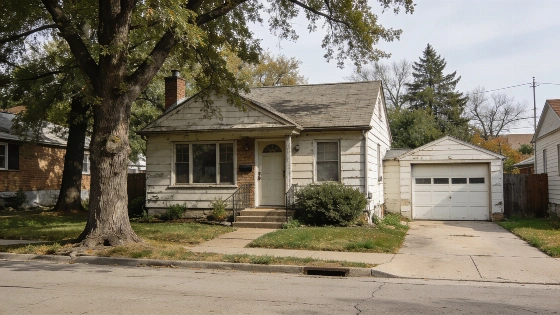
Retirees considering the Midwest may benefit from lower home prices, varied state tax rules, and access to both urban and rural healthcare, but should weigh maintenance costs and local tax differences before relocating
For Americans approaching retirement, the choice of where to live can have a significant impact on both lifestyle and long-term financial security. The Midwest, spanning states like Illinois, Iowa, Michigan, South Dakota, and Wisconsin, is increasingly recognized for its combination of affordable housing, moderate living costs, and a quieter pace of life. According to Investopedia, several towns and cities in this region stand out for retirees seeking to stretch their savings and reduce financial stress.
While the Midwest covers a broad geographic area, the most attractive retirement destinations tend to cluster in states with lower housing costs and less volatile real estate markets. Towns such as Sioux Falls, South Dakota; Appleton, Wisconsin; and Iowa City, Iowa, offer a mix of small-town atmosphere and access to essential services. For retirees relying on fixed incomes, these factors can make a meaningful difference in day-to-day budgeting and long-term planning.
Housing Costs and Everyday Expenses
One of the Midwest's primary draws is its relatively low cost of housing. Data from the Federal Reserve Bank of St. Louis shows that the median sale price for homes in the Midwest remains below the national average, making it easier for retirees to purchase a home outright or downsize without taking on new debt. Everyday expenses, including groceries, utilities, and transportation, also tend to be lower than in coastal or high-growth regions.
However, many homes in the Midwest are older, which can translate to higher maintenance and heating costs. Retirees should factor in potential repairs, insulation upgrades, and ongoing utility bills when evaluating the true affordability of a move. While lower purchase prices can free up cash for other priorities, unexpected expenses may erode some of those savings over time.
State Taxes and Financial Trade-Offs
Tax treatment of retirement income varies widely across the Midwest. South Dakota stands out for having no state income tax, meaning Social Security benefits, pension payments, and withdrawals from retirement accounts are not taxed at the state level. In contrast, states like Kansas and Indiana do tax retirement income, though rates differ-Kansas currently levies a 5.58% income tax, while Indiana's rate is 2.95% and scheduled to decrease further by 2027.
These differences can have a substantial impact on retirees' net income, especially for those with significant pension or 401(k) distributions. It's important to consider not just state income tax, but also property taxes, sales taxes, and local levies, which can vary even within the same state. For those weighing the financial trade-offs, a careful review of total tax burden is essential before making a relocation decision.
Healthcare Access and Community Life
Access to healthcare is another key consideration for retirees. Larger cities such as Chicago, Des Moines, and Iowa City offer major hospitals and specialized medical services, while smaller towns may require longer travel for certain types of care. The quality and proximity of healthcare can influence both quality of life and out-of-pocket costs, particularly for those managing chronic conditions or seeking specialized treatment.
Community amenities, recreational opportunities, and local culture also play a role in retirement satisfaction. Many Midwest towns offer a blend of outdoor activities, cultural events, and a slower pace that appeals to those seeking a change from urban congestion. According to Investopedia, the region's top retirement destinations balance affordability with access to nature and community engagement.
Comparing Midwest Affordability to National Trends
Recent data from the National Association of Realtors shows that as of the first quarter of 2024, the median existing-home price in the Midwest was $282,300, compared to the national median of $389,400. This price gap highlights the region's relative affordability, especially for retirees looking to maximize the value of home equity or downsize without sacrificing comfort. Meanwhile, the Consumer Price Index for the Midwest has consistently trailed the national average, reflecting lower inflationary pressure on household budgets.
For those evaluating retirement readiness, it's worth noting that perceptions of financial security can differ widely. As discussed in a recent analysis of wealth benchmarks, Americans often set high thresholds for what it means to feel financially comfortable, but regional cost differences can make those targets more attainable in the Midwest.
When considering a move, retirees should weigh not only the sticker price of a home but also the full spectrum of ongoing costs, including taxes, healthcare, and maintenance. While the Midwest offers clear advantages in affordability and lifestyle, the best choice will depend on individual health needs, family ties, and personal preferences. Understanding the interplay between fixed income, local expenses, and state tax policy is crucial for making a sustainable retirement plan.