
Retirement Withdrawal Strategy
69 articlesThe strongest articles will unpack Contribution rules, tax treatment and retirement accounts and bring in nearby terms only where they clarify costs, eligibility, reporting duties, account access or investment exposure.

Why Dividend Income Could Shape Retirement Portfolios Through 2030
Dividend-paying stocks can provide cash during market declines, but a high yield alone can mislead. For retirees, the balance between income now and dividend growth over time may matter through 2030.
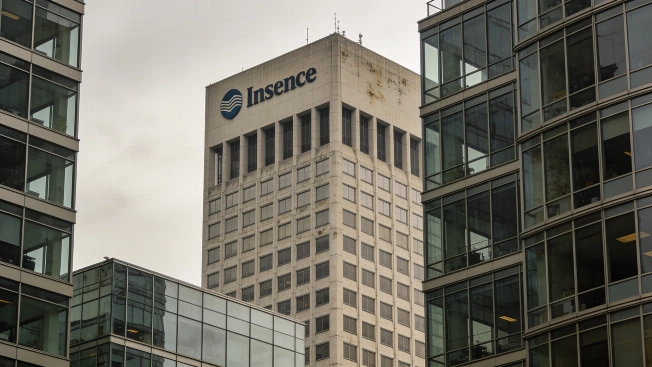
Sun Life's 3.4% Yield Is Backed by Earnings Coverage
Sun Life reported C$2.02 in underlying earnings per share against a C$0.96 quarterly dividend. That put its payout ratio at about 48%, though current coverage does not guarantee future payments.

Is It Too Late to Start Investing? Why Starting Now Still Matters
More than half of workers report less than $100,000 in retirement savings. Hypothetical projections based on 8% annual growth show how steady investing could build a meaningful balance over time.

Retirees use layered cash tactics to ride out market swings
Retirees facing choppy markets have to decide how much cash to keep handy and where to stash it so they can pay the bills when investments drop. Here's how to set up withdrawals and guard against inflation.
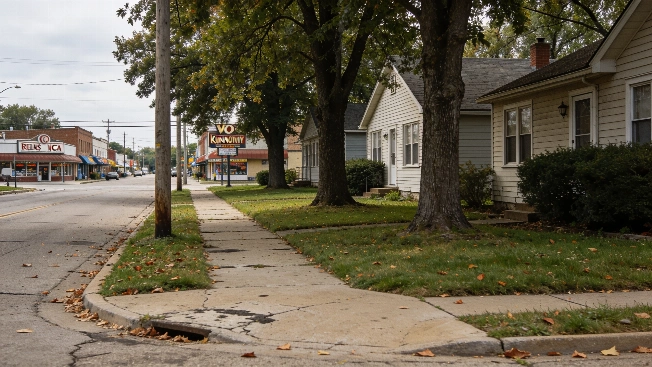
Retirees Weigh Knoxville Iowa for Low Housing Costs and Tax Relief
With home values far below the national average and state tax breaks on retirement income, Knoxville Iowa is drawing attention from retirees seeking to stretch their savings without sacrificing access to healthcare or community life

Annuity fees and penalties can quietly drain your retirement savings
Many retirees are drawn to annuities for steady income but face steep fees, tax disadvantages, and strict withdrawal penalties that can erode long-term wealth and limit financial flexibility

Social Security Gaps Leave Women Facing Lower Retirement Income
Women in the U.S. routinely receive smaller Social Security checks than men due to lower lifetime earnings and interrupted careers. The difference can reach thousands of dollars per year and compound over decades of retirement.

Retirees Face a Yield or Growth Dilemma in Volatile Markets
Many retirees hesitate to spend their savings, fearing they will outlive their money. Choosing between high-yield income and long-term growth investments can create risks if not balanced with cash reserves and a clear withdrawal plan.
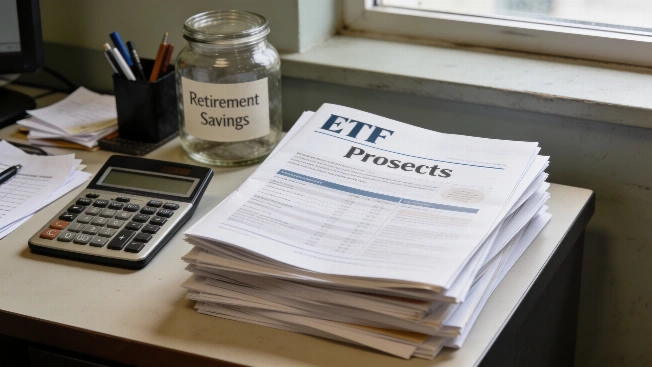
Why Dividend-Paying ETFs Can Be a Smart Choice for Retirees
Dividend-paying ETFs can help retirees generate steady income and potential growth, offering a way to keep up with inflation while avoiding the pitfalls of relying solely on cash savings

Early Market Losses Slash Retirement Savings Longevity, Schwab Warns
A steep market downturn in the first years of retirement can drain portfolios years faster than most investors realize, even if average returns later recover. Schwab's research reveals how sequence-of-returns risk can devastate withdrawal plans.

Retirement Planning for Child-Free Adults: What You Need to Know
Adults without children may have fewer financial obligations, but retirement planning still demands careful attention to long-term care, estate management, and tax strategies to avoid costly gaps in coverage or unintended outcomes

Retiring Abroad: Advantages, Disadvantages, and Key Considerations
Retiring overseas can lower living and healthcare costs, but U.S. retirees face complex tax rules, visa requirements, and potential gaps in Medicare coverage-making careful planning essential before moving

Elgin, Illinois: An Affordable and Active Retirement Destination
Elgin, Illinois offers retirees below-average home prices, no state tax on Social Security, and access to health care and cultural amenities, making it a practical alternative to pricier Chicago suburbs

Why Brazil Is Becoming a Retirement Hotspot
Retiring in Brazil may cost less than $1,000 per month per person in select towns, with affordable housing, healthcare options, and a warm climate drawing U.S. retirees seeking a lower cost of living
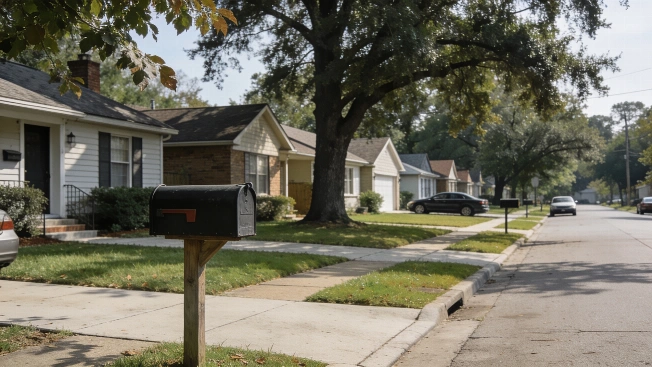
Best Southeast Cities for Retirees in 2026
Retirees considering the Southeast in 2026 face a mix of tax breaks, affordable housing, and access to healthcare, but state rules and local costs vary widely-making careful comparison essential for long-term financial security

Conway, New Hampshire: A Top Retirement Spot with Affordable Living and Outdoor Lifestyle
Conway, New Hampshire, stands out for retirees seeking lower housing costs, no state income tax, and year-round outdoor activities, but higher property taxes and limited public transit may affect household budgets and daily routines
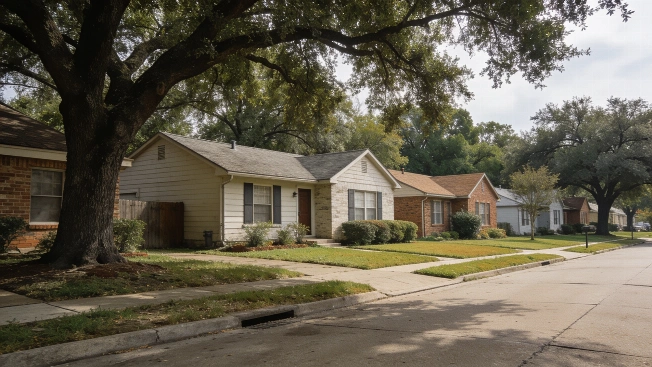
Houston, Texas: An Ideal Retirement Destination
Houston's median home price of $263,563 and no state income tax on retirement income make it a standout for retirees seeking affordability, tax relief, and access to world-class healthcare in a major U.S. metro area
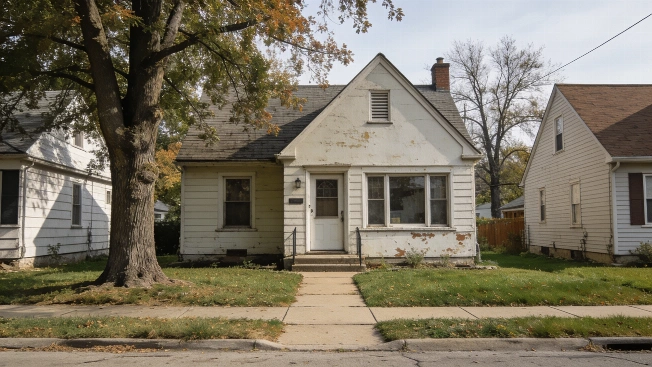
Niles, MI: An Affordable and Active Retirement Destination
Niles, Michigan offers retirees below-average home prices, lower daily expenses, and tax breaks on Social Security, while providing walkable downtown amenities and access to major health care and cultural options in nearby South Bend

Sioux Falls: A Top Retirement Destination in the Midwest
Sioux Falls stands out for retirees with home values below the national average, no state income tax, and access to major healthcare systems-factors that can stretch fixed incomes and reduce financial stress in retirement

Best Retirement Locations in the Southwestern United States
Retirees seeking lower living costs and tax advantages are increasingly looking to Texas, Arizona, New Mexico, and Oklahoma, where housing prices, property taxes, and daily expenses can be well below national averages

Farmers Markets and Retirement: Top U.S. Cities with Strong Local Food Scenes
Retirees seeking affordable living and strong community ties are increasingly drawn to U.S. cities with vibrant farmers markets, where access to fresh produce, local agriculture, and tax-friendly policies can directly impact retirement budgets
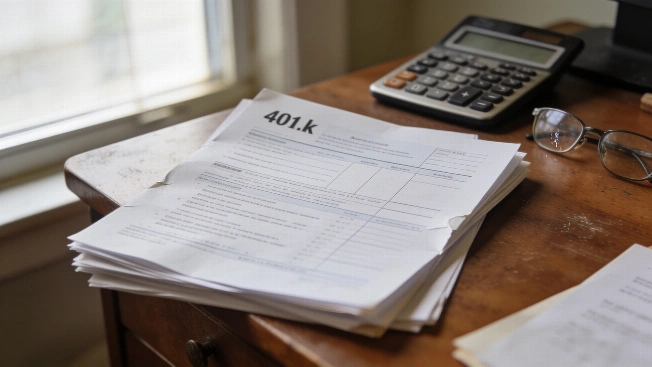
Retiring Early: How Much You Need in Your 401(k) in Your 40s and 50s
Retiring before 60 means your 401(k) must last longer, but early withdrawals can trigger penalties. See how much savers in their 40s and 50s typically have-and why you may need far more to leave work early

9 Retirement Cities Near National Parks Offering Outdoor Access and Practical Amenities
Retirees seeking affordable living near national parks can find cities that combine outdoor recreation with strong healthcare, tax advantages, and lower costs-without sacrificing access to airports or cultural amenities
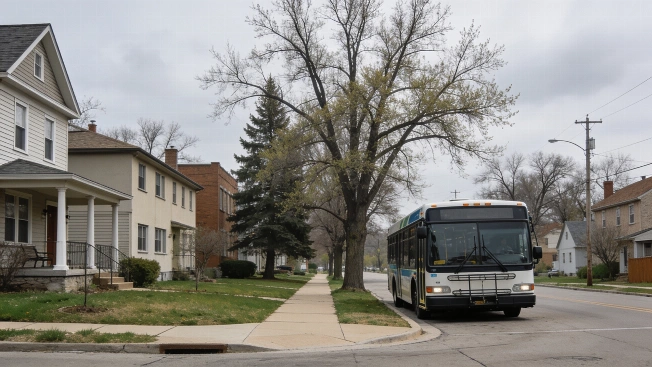
Iowa City: A Top Retirement Destination with Low Cost of Living and Rich Cultural Life
Retirees considering Iowa City can benefit from a cost of living 6% below the U.S. average, affordable healthcare, and tax breaks on Social Security and retirement income, all while enjoying a vibrant arts and cultural scene

Target Date Funds May Miss Key Retirement Risks for Investors
Millions rely on target date funds for retirement, but these funds often ignore personal factors like pensions, Social Security timing, and risk tolerance-potentially leaving investors exposed as they approach retirement
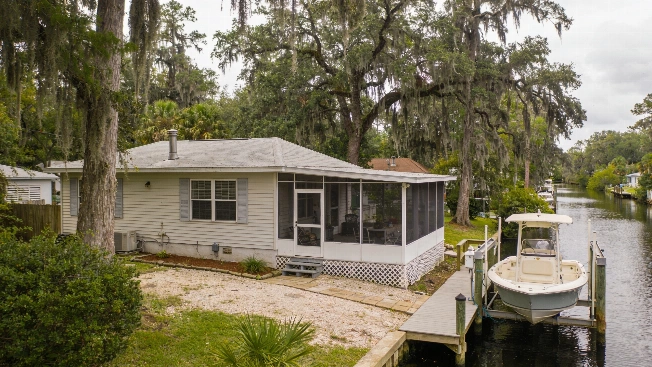
Homosassa Springs: An Affordable and Nature-Filled Retirement Destination
With average home values around $234,000 and a cost of living 12% below the U.S. average, Homosassa Springs draws retirees seeking lower housing costs, no state income tax, and year-round access to Florida's waterways and wildlife

Lewes, Delaware: A Top Retirement Destination with Coastal Charm and Tax Advantages
Lewes, Delaware, stands out for retirees with its low property taxes, no state sales tax, and a walkable historic downtown near beaches-yet home prices and rents run above national averages, requiring careful budgeting for long-term residents

Robert Kiyosaki Flags Major 401(k) Risk as Market Hits Highs
As U.S. stocks reach new records, Robert Kiyosaki warns that Americans relying on 401(k)s packed with equities could face steep losses if a severe downturn hits, raising questions about portfolio risk and retirement timing
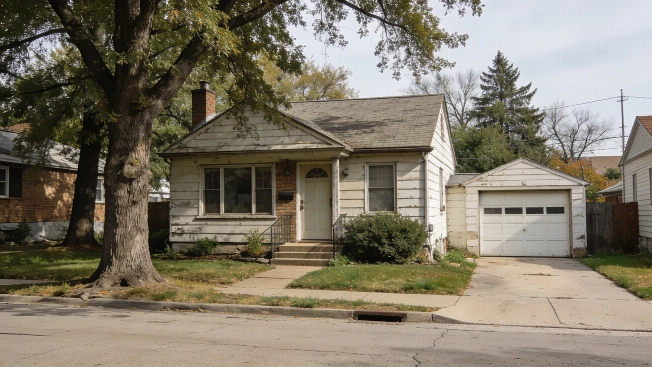
Midwest Towns for Retirement: Affordable Living and Financial Benefits
Retirees considering the Midwest may benefit from lower home prices, varied state tax rules, and access to both urban and rural healthcare, but should weigh maintenance costs and local tax differences before relocating

The 5 Best Places to Retire Abroad-And Why They're Worth It
Rising U.S. living costs are pushing more retirees to consider South America, where cities like Cuenca and Medellín offer affordable healthcare, mild climates, and monthly budgets as low as $841 for singles or $1,835 for couples

Best International Places to Retire in Europe
Retiring in Europe offers Americans a range of climates, healthcare systems, and living costs, but key differences in residency rules, taxes, and affordability can significantly impact long-term financial security

How to Protect Your Retirement Savings Through Market Swings and Rising Costs
Rising costs and volatile markets are making it harder for retirees to ensure their savings last. Learn five practical strategies to help safeguard your retirement income and avoid common mistakes that can drain your nest egg too soon

Retiring in Chicago: A Vibrant Urban Lifestyle for Seniors
Chicago's higher-than-average living costs and property taxes are offset by tax breaks on retirement income, walkable neighborhoods, and access to top hospitals, making it a compelling option for retirees seeking city life

The Costliest Retirement Mistake Investors Make in a Downturn
Selling stocks during a market drop can erase years of retirement gains. T. Rowe Price and Warren Buffett both warn that panic selling, not poor allocation, is the most damaging error for retirees seeking long-term growth

How Much Do You Need to Retire?
Average 401(k) balances for Americans in their 60s fall well below what many believe is needed for a comfortable retirement, raising questions about savings strategies, spending expectations, and the role of Social Security

Downsizing in Retirement: How to Simplify Your Lifestyle and Boost Your Savings
Retirees looking to cut costs and free up cash are increasingly downsizing homes, selling unused possessions, and streamlining investments-moves that can reduce expenses and potentially increase retirement income
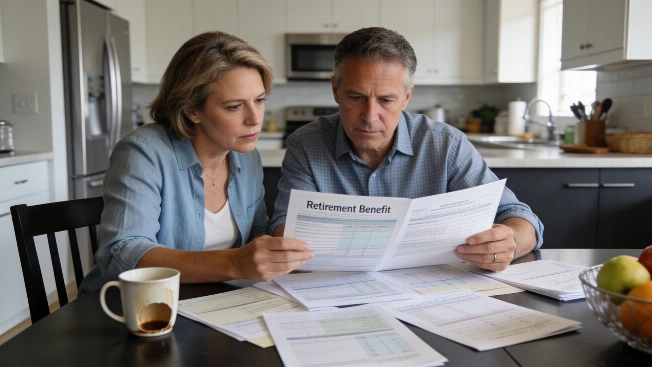
What Public Service Sector Workers Get Wrong About Retirement and How You Can Fix It
Federal employees who rely on standard pension estimates may overlook key factors that shrink retirement income, including salary changes, service credits, and survivor benefits-potentially leading to costly shortfalls in later years

Major Food Cities That Also Work for Retirement
Retirees seeking vibrant dining scenes and strong community amenities may find value in cities where restaurant density, walkability, and local culture align with practical retirement needs

Housing Debt Declines With Age, But Doesn't Vanish
Many Americans enter retirement still owing over $100,000 on their homes, forcing them to balance mortgage payments with reduced income and rising healthcare costs as they age

How Parenthood Changes Household Finances and Retirement Priorities
Raising children can consume up to 19% of household income, forcing many parents to cut back on retirement savings just as early investing matters most. Learn how to balance immediate family costs with long-term financial security
Page 1 by 2