Niles, Michigan offers retirees below-average home prices, lower daily expenses, and tax breaks on Social Security, while providing walkable downtown amenities and access to major health care and cultural options in nearby South Bend
For retirees seeking a balance between affordability and access to amenities, Niles, Michigan stands out as a practical option. Located along the St. Joseph River near the Indiana border, Niles combines small-town living with proximity to larger city resources. Its historic downtown, riverfront parks, and modestly priced neighborhoods have earned it recognition as one of Investopedia's top 100 U.S. retirement destinations.
With South Bend less than 15 miles away, Niles residents can tap into a broader range of health care, shopping, and cultural activities. The area's cost structure and tax policies may appeal to those on fixed incomes, while the local community calendar and outdoor spaces offer opportunities for an active lifestyle.
Housing Costs and Tax Advantages
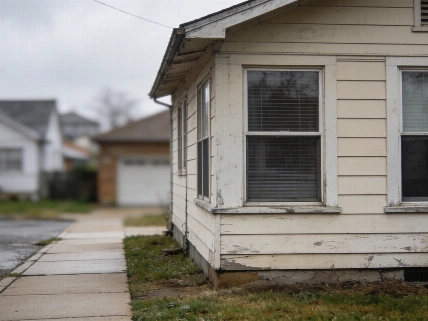
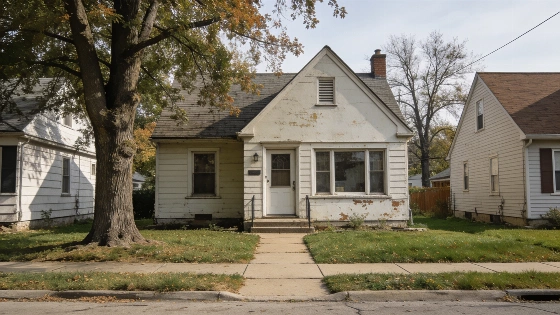
Housing affordability is a central draw for Niles. The average home value in the city is $216,700, well below the national average of $372,995, according to Zillow data as of early 2024. Renters also benefit from relatively low median rents, with typical monthly costs around $995. Daily living expenses in Niles are estimated to be 18% lower than the national average, factoring in housing, utilities, and groceries. For retirees, Michigan's tax structure provides additional relief: Social Security benefits are not taxed at the state level, and there are deductions available for certain types of retirement and pension income, depending on age and filing status.
These financial factors can help retirees stretch their savings further, especially when compared to higher-cost regions. For those considering other affordable retirement destinations, small cities across the U.S. have become increasingly popular for their manageable expenses and community feel, as discussed in this analysis of affordable small-city retirement options.
Community Life and Local Amenities
Niles' downtown is anchored by Main Street, where historic buildings house independent shops, restaurants, and specialty stores. Local favorites include Iron Shoe Distillery and Apothica Teas, while the Niles Farmers Market and annual events like the Four Flags Area Apple Festival highlight the region's agricultural roots. The city's riverfront parks and walking trails provide daily recreation, and Fernwood Botanical Garden offers gardens, trails, and educational programs just outside downtown.
The surrounding area is dotted with wineries and distilleries, such as Round Barn Winery & Estate and Tabor Hill Winery. For broader entertainment and cultural experiences, South Bend offers venues like the Raclin Murphy Museum of Art, the Morris Performing Arts Center, and Notre Dame sporting events. Public transit options, including the Interurban Trolley, connect Niles to South Bend and neighboring cities, with reduced fares and ADA paratransit services available for eligible retirees.
Health Care Access and Seasonal Considerations
Health care is a key concern for many retirees, and Niles is served by Corewell Health Lakeland Hospital Niles, which provides emergency, surgical, and outpatient care. South Bend expands these options with Beacon Health System and Saint Joseph Health System, both offering specialty services such as cancer treatment and cardiovascular care. Veterans in the area can access primary and specialty care at the Jackie Walorski VA Clinic in South Bend.
Niles experiences four distinct seasons, with warm, rainy summers and cold, snowy winters. Average temperatures range from 19°F in January to 81°F in July. Winter winds off Lake Michigan can bring significant snowfall, so retirees should plan for seasonal weather-related costs and transportation needs. Outdoor enthusiasts can take advantage of riverfront parks, fishing, kayaking, and nearby state parks like Indiana Dunes and Warren Dunes for hiking and birdwatching.
According to the U.S. Census Bureau's 2022 American Community Survey, the median age in Niles is 39.7, and about 18% of the population is age 65 or older. This demographic mix supports a range of services and activities tailored to retirees, while the city's cost profile remains competitive with other Midwest retirement destinations.
Understanding Retirement Affordability
When evaluating retirement locations, it's important to look beyond headline home prices. Ongoing costs-such as property taxes, utilities, transportation, and health care-can vary widely by region and may offset initial savings on housing. State tax policies, including treatment of Social Security and retirement income, can also have a significant impact on retirees' net income. In Michigan, the lack of state tax on Social Security and available deductions for other retirement income can help preserve purchasing power for those on fixed incomes.
Retirees considering a move should compare not only housing costs but also access to health care, transportation options, and the availability of community activities. While Niles offers a walkable downtown and public transit links, a car is still necessary for most errands and appointments outside the city center. Seasonal weather can affect mobility and utility costs, so factoring in these variables is essential for long-term planning.
Affordability in retirement is shaped by a combination of fixed and variable expenses, local tax rules, and access to essential services. Evaluating these factors in context can help retirees make informed decisions about where to live and how to allocate their resources for a sustainable and active retirement.