
Contribution Limits
24 articlesLook for pieces that explain Contribution rules, tax treatment and retirement accounts, compare adjacent choices and show how nearby terms appears in applications, disclosures, statements or official pages.

Social Security Gaps Leave Women Facing Lower Retirement Income
Women in the U.S. routinely receive smaller Social Security checks than men due to lower lifetime earnings and interrupted careers. The difference can reach thousands of dollars per year and compound over decades of retirement.

Kevin O'Leary's 15 Percent Savings Rule Faces a Harsh Paycheck Reality
Kevin O'Leary's 15 percent savings formula promises millions, but the median 401(k) balance is just $44,115 as rising rates and real incomes reveal the gap between theory and reality.

American Airlines Doubles Trump Account Match, Boosting Child Savings
Eligible American Airlines employees can now secure a combined $2,000 in seed money for each qualifying child's Trump Account, as the airline matches the federal $1,000 contribution-potentially accelerating long-term wealth for thousands of families.
Thinking of Retiring Before 65? Here's the Nest Egg You'll Need in Each State
Retiring before age 65 can mean losing out on thousands in savings, higher health insurance costs, and reduced Social Security benefits-making early planning and backup strategies essential for financial security
Retiring Early: How Much You Need in Your 401(k) in Your 40s and 50s
Retiring before 60 means your 401(k) must last longer, but early withdrawals can trigger penalties. See how much savers in their 40s and 50s typically have-and why you may need far more to leave work early

How Much Do You Need to Retire?
Average 401(k) balances for Americans in their 60s fall well below what many believe is needed for a comfortable retirement, raising questions about savings strategies, spending expectations, and the role of Social Security

Most Roth IRA Savers Miss Annual Contribution Cap, IRS Data Shows
IRS data reveals that over 70% of Roth IRA contributors did not reach the 2023 annual limit, with average contributions peaking at $4,504 for those ages 60-64. Learn why many fall short and how habits and income affect retirement savings

What Public Service Sector Workers Get Wrong About Retirement and How You Can Fix It
Federal employees who rely on standard pension estimates may overlook key factors that shrink retirement income, including salary changes, service credits, and survivor benefits-potentially leading to costly shortfalls in later years

How Parenthood Changes Household Finances and Retirement Priorities
Raising children can consume up to 19% of household income, forcing many parents to cut back on retirement savings just as early investing matters most. Learn how to balance immediate family costs with long-term financial security

What 40-Somethings' Portfolios Really Look Like
A significant share of Americans in their 40s have little or no retirement savings, with median financial assets well below expert benchmarks-raising questions about how this generation will fund their future needs

When 401(k) Balances Peak: How Retirement Savings Change From Your 20s to 80
Median 401(k) balances more than double each decade from your 20s to 50s, but typically decline in your 60s and 70s as withdrawals and rollovers begin-reflecting the shift from saving to spending in retirement

Why Your Retirement Contribution Rate Matters More Than Most People Realize
Many Americans contribute less than 10% of their income to retirement plans, but even a 1% increase early in your career can add tens of thousands of dollars to your nest egg by retirement

Making Sense of Modern Crypto
Many Americans regret not saving enough for retirement as longer lifespans and rising healthcare costs strain personal finances. Early, consistent contributions-even small ones-can significantly improve future security

Roth IRAs See Fewer Owners but More Active Contributions Than Traditional IRAs
While only about 25% of U.S. households own a Roth IRA, twice as many taxpayers contribute to Roths each year compared to traditional IRAs, with younger savers especially drawn to their tax-free withdrawal benefits

How Much a Typical Couple Needs to Retire Comfortably in Every State-and the Size of the Nest Egg Required
A typical retired couple in the U.S. may need over $1 million in savings for a comfortable retirement, but the exact amount depends on state, spending habits, and whether annuity income is used to offset the gap left by Social Security

How Gen Z Is Saving for Retirement Earlier Than Previous Generations
Gen Z workers are building retirement savings earlier than their predecessors, with average 401(k) balances of $13,500 and a majority expressing confidence in their future financial security despite economic headwinds

What the Average Married Couple Receives From Social Security and Steps to Maximize Benefits
A typical dual-earning married couple can expect nearly $50,000 a year from Social Security, but the amount varies widely based on work history, claiming age, and strategy-key decisions that can affect both monthly income and survivor benefits

How Much Millennials Have Saved So Far for Retirement
Vanguard data shows the typical millennial has less than $50,000 saved for retirement, but consistent contributions and compounding could still put a $1 million nest egg within reach for many-if they start early and increase savings rates

What Is a Die-With-Zero Retirement?
The die-with-zero approach urges Americans to spend on experiences and family giving throughout life, not just in retirement, but balancing present enjoyment with future security requires careful planning and awareness of longevity and healthcare risks

Waiting Until 70 to Claim Social Security Can Pay Off Big
Delaying Social Security benefits until age 70 can boost monthly payments by more than 75% compared to claiming at 62, but the strategy requires careful planning to bridge income gaps and manage retirement savings withdrawals
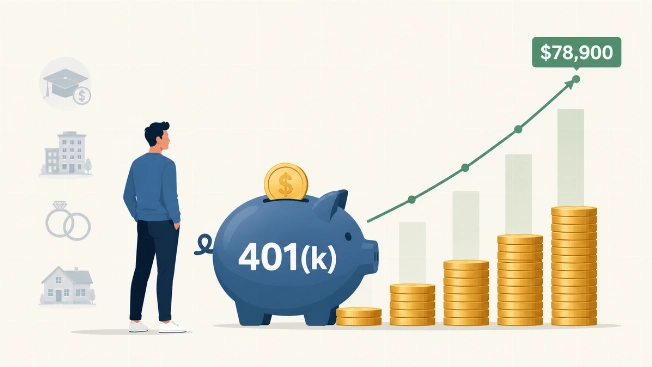
Median 401(k) Balances for Workers in Their 30s: What to Know
The typical 401(k) balance for Americans in their 30s is now $78,900, but competing financial demands and access to retirement plans can make saving a challenge for many in this age group

Retirement Savings Targets at 59: How Much Is Enough
Approaching age 59 means you're nearing penalty-free retirement withdrawals, but most Americans fall short of recommended savings multiples. See how much you should have saved, what the data shows, and practical steps to close the gap

How High Earners Max Out 401(k) Plans-and Why It Matters
Just 14% of U.S. workers with defined contribution plans reach the annual 401(k) contribution limit, with higher-income earners far more likely to do so. Early, aggressive saving can dramatically increase retirement balances through compounding

How Leaving a Job Can Impact Your 401(k) and Retirement Savings
Changing jobs can trigger unexpected 401(k) moves, forced cash-outs, or automatic rollovers. Learn how balance size, account type, and IRS rules affect your options-and what steps to take to avoid taxes, penalties, or lost investment growth