
ETFs and Funds
211 articlesLook for pieces that explain target-date funds, brokerage accounts and fund expense ratios, compare adjacent choices and show how stock ownership, bond yields and diversification strategy appears in applications, disclosures, statements or official pages.

Three ETFs That Can Cushion a Portfolio Without Market Timing
These three ETFs take different approaches to portfolio risk without requiring investors to move everything to cash. None can prevent losses or predict when a market downturn will come.

Why Dividend Income Could Shape Retirement Portfolios Through 2030
Dividend-paying stocks can provide cash during market declines, but a high yield alone can mislead. For retirees, the balance between income now and dividend growth over time may matter through 2030.

Why VOO Could Help Investors Stay Put in a Recession
VOO spreads exposure across nearly 500 companies, which may help investors resist panic-selling during a downturn. But diversification cannot prevent market losses or replace cash needed soon.

A Dividend Cut Can Hit Retirees Twice
A dividend suspension can cut retirement cash flow just as the stock falls. SDY and VYM spread exposure across dividend payers; SPYI gets much of its distribution from options instead.
Three ETFs to Consider Before a Downturn
Healthcare stocks and bonds may cushion some recession pressure, while broad-market funds keep stock exposure in the mix. The trade-offs include company concentration and the risk that bonds lose value when rates rise.

Dividend Stocks Can Give Beginners a Steadier Starting Point
Dividend growers have historically delivered stronger returns with lower measured volatility than dividend cutters. But payouts are never guaranteed, and the long-term record cannot predict what new investors will earn.

XLP Has Lower Fees; IYK Has Higher 10-Year Returns
XLP charges 0.08% and yields 2.73%. IYK's reported 10-year return is higher, at 134%. The choice comes down to whether lower costs and income matter more than historical growth.

Korean REIT ETF Uses Building Sale Proceeds to Boost Payouts
Hanwha Asset Management plans four months of larger PLUS K-REITs ETF payouts, funded by a property sale. The temporary increase also carries a risk of a larger-than-usual ex-dividend price adjustment.

ARKX vs. XAR: Which Aerospace and Defense ETF Fits Your Portfolio?
ARKX returned more than XAR over the trailing year in the reported snapshot, but it charges more and showed greater volatility. Over four years, the funds finished almost even.

Ten Market Predictions That Put AI at the Center of 2036
Brian Richards imagines a 2026 to 2036 decade shaped by AI-driven productivity, round-the-clock stock trading and automated financial decisions. His 10% annual market-return assumption is a scenario, not a promise.

VOO's lower fees challenge QQQ's growth edge
Over five years, $1,000 grew to $2,108 in QQQ and $1,892 in VOO. QQQ's higher fee and heavier technology concentration add risk for investors weighing growth against diversification.

Inflation Hedges Need More Than Scarcity
Gold and silver have posted sizable long-term gains, and Bitcoin's fixed supply draws investors seeking inflation protection. But fees, volatility and timing all matter before changing a portfolio.
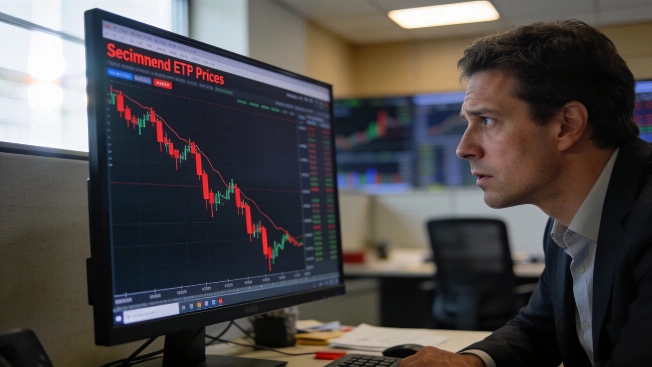
SOXX Turned a $5,000 Investment in 2001 Into $118,240
SOXX has surged during the AI boom, but it lagged the S&P 500 for its first 15 years. Its record shows the potential gains and risks of investing in one industry.

Vanguard VIG Uses Dividend Growth to Screen for Bear Markets
Trying to dodge a bear market can mean selling after prices fall and missing the recovery. Vanguard Dividend Appreciation ETF screens for companies with long records of dividend growth, but investors still face stock-market risk.

IRS ETF Ruling Puts AB's High Yield Under Scrutiny
The IRS says some structured ETF transfers of appreciated securities trigger taxable events. For AllianceBernstein investors, the ruling comes alongside a 9.94% yield and a payout ratio above earnings.

Midterm History Gives Stocks a Seasonal Tailwind
Stocks have often gained after midterm elections, with strong average returns across three quarters. The pattern may help long-term investors set expectations, but it cannot promise a rally or remove the risks of stock funds.

Four Infrastructure ETFs Raise Monthly Payouts for September
Infrastructure Capital raised monthly distributions for QVOL, BNDS, SCAP and ICAP. The new payments are due September 30, but QVOL's targeted annual rate is neither a yield nor a guaranteed return.

Should You Invest in Stocks When Valuations Are High?
The S&P 500 and Nasdaq Composite have more than doubled since early 2023, while the S&P 500's Shiller CAPE reached 41. A Schwab comparison of five investing approaches over 20 years shows the potential cost of waiting for a better entry point.
The Magnificent Seven May Be Seven Stocks, but They Share One Big Risk
The Magnificent Seven dominate the U.S. market, and all seven have significant exposure to AI. That overlap can make a portfolio of seven stocks act like one crowded bet, even when index funds hold them alongside hundreds of other companies.

A Diesel Export Ban Could Raise Costs Across the U.S. Energy Market
Diesel reached $6.5276 a gallon on September 22, up 83% in 2026. A proposed export ban could redirect supply at home, but refinery cuts could push gasoline costs higher.

Automated index investing can build wealth without market expertise
Vanguard's 2026 retirement-plan report finds much higher participation in plans with automatic enrollment. Its figures show why steady contributions may matter more than trying to time the market.

VanEck's Semiconductor ETF Offers Concentrated Exposure to AI Growth
Nvidia and TSMC have helped SMH outperform a rival chip fund as demand tied to AI grows. But a 41 P/E and large stakes in a handful of companies make it a concentrated bet.
Three ETFs investors watch after sharp market drops
With the S&P 500 trading near dot-com bubble valuations, some investors are eyeing growth and dividend ETFs for bargains if the market stumbles. Here's how three funds compare on returns and holdings.
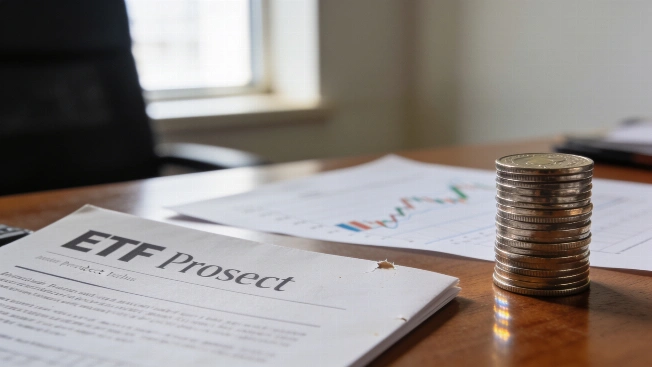
Emerging Markets ETF dividend surges as FEM lifts payout
First Trust Emerging Markets AlphaDEX Fund just raised its quarterly dividend by 50 percent to $0.2849 per share. The move pushes its annual yield to about 3.5 percent and is drawing new interest from income-focused investors.

Tech stock valuations push investors to rethink as returns beat the market
Tech ETFs like QQQ and VGT have posted annual returns of 16% to 26% in recent years. But high prices and market uncertainty are making some investors question their tech exposure.

Three stocks for new investors to watch in 2026
Many new investors worry they missed out on the best stock market gains. Index funds and a few blue-chip stocks can help build a solid base for long-term growth-without needing to watch the market every day.
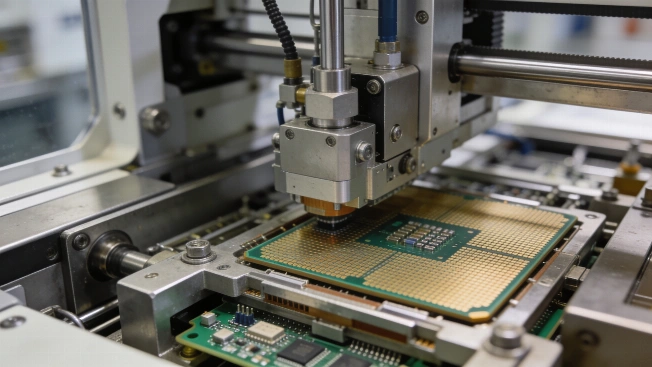
S&P 500 profits surge past index gains as chipmakers and energy fuel earnings
S&P 500 companies are set for a third straight quarter of earnings growth above 25 percent. Chipmakers and energy firms are leading the charge, while the index price lags behind profit forecasts.
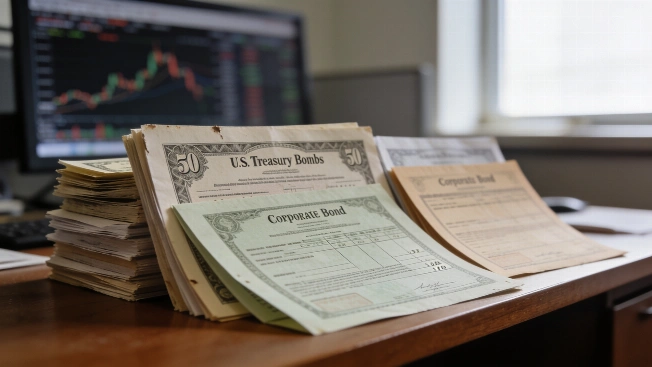
Bond ETF under strain as yields climb
The iShares Core U.S. Aggregate Bond ETF now pays a 4.82% yield, but recent rate hikes and five years of negative returns show the risks for investors chasing income and stability.
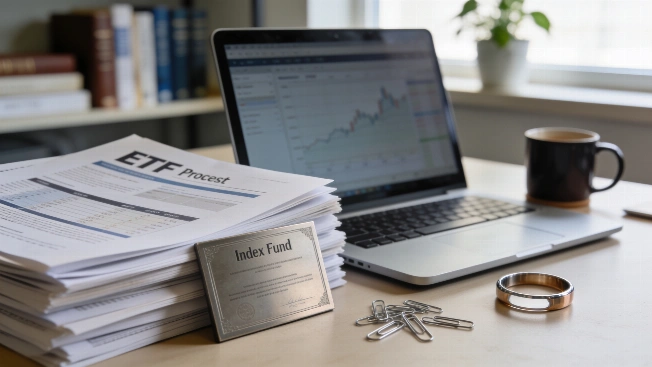
More Americans own stocks, but most market wealth stays at the top
Fifty-eight percent of U.S. adults now own stocks, often through index funds like the Vanguard S&P 500 ETF. But the richest Americans still hold most of the market, leaving everyday investors with new choices and risks.

Why owning the whole stock market is still a smart way to invest
Jack Bogle's index fund idea let regular people buy the whole market for almost nothing. Here's how his simple, long-term plan can help you build wealth and dodge the traps of stock picking and high fees.
Tech bets push VUG past IWO in growth ETF face-off
VUG's rock-bottom 0.03% fee and heavy tech exposure have driven bigger five-year gains than IWO. But those big bets mean sharper risk if the AI surge cools. IWO, focused on small caps, spreads risk wider but costs more.

How compound interest turns small investments into real long-term gains
Put $100 a month into a stock fund earning 15 percent a year, and you could see it grow to over $24,000 in ten years. Compounding can push your money far past what you put in, especially if you reinvest dividends.

Anthropic IPO aims for $100 billion as S&P 500 funds quietly pull ahead
Anthropic wants to raise $100 billion in its IPO, but history shows many big-name debuts fall short of broad market funds. Here's why S&P 500 ETFs often give investors steadier long-term growth.

Gold draws investors back after Fed rate hike
The Federal Reserve has raised interest rates for the first time in years. With stocks still expensive and uncertainty running high, investors are looking at gold again as a possible safe haven.
Buffett tells investors: Don't bail out when markets drop
Warren Buffett's playbook for bear markets is simple: stay invested and look for bargains when stocks fall. Here's how his thinking fits with index funds-and why missing the market's best days can hurt your returns.
Two ETFs give investors broad market reach without the hassle
With just two ETFs-VTI and VXUS-investors can own thousands of U.S. and international stocks. This helps spread risk by company size, sector, and geography, all without picking individual stocks.

Software stocks rally as AI chip surge cools and security takes center stage
Software and cybersecurity stocks are now outpacing chipmakers. Investors are moving away from AI hardware and betting on security and practical software, with the iShares Expanded Tech-Software ETF up 15% this quarter while semiconductor funds drop.
ETF buyers face limited Anthropic exposure ahead of IPO
Investors hoping to profit from Anthropic's IPO by buying ETFs with private shares may be disappointed as actual exposure is small and key financial details remain undisclosed

AI Stock Surge Sets Stage for Market Reset
AI-driven stocks have powered most recent market gains but their dominance has left portfolios exposed to sector risk and set up a potential shift toward broader diversification

Anthropic IPO tests investor appetite for AI exposure
Anthropic's planned IPO aims for a $2 trillion valuation and could become the largest in history. But with most IPOs lagging after their debut and S&P 500 rules delaying index inclusion, investors face real risks and volatility
Page 1 by 6