
ETFs and Funds - Page 4
211 articles
Jim Cramer's Three-Asset Strategy for Building Retirement Security
Jim Cramer urges retirees to focus on compounding, not trading, and outlines a three-part portfolio approach that balances index funds, select stocks, and insurance assets to help manage risk and long-term growth
Mark Cuban Flags Five Investment Risks Most People Overlook
Billionaire Mark Cuban warns investors about five common traps, from complex financial products to crypto and easy-to-copy businesses, urging a disciplined approach to risk and simplicity in portfolios

Target Date Funds May Miss Key Retirement Risks for Investors
Millions rely on target date funds for retirement, but these funds often ignore personal factors like pensions, Social Security timing, and risk tolerance-potentially leaving investors exposed as they approach retirement

Bear Markets Are Buying Opportunities for Long-Term Investors
Bear markets have historically cut the S&P 500 by about a third, but data shows most recoveries outpace losses within two years, offering disciplined investors a chance to build long-term wealth if they can withstand short-term volatility

Investors Flock to Money Market Funds as Doubts Grow Over Trump-Era Stock Rally
U.S. money market fund assets soared to a record $8.29 trillion in Q1 2026, even as stocks posted strong returns, highlighting investor caution about high valuations, AI-driven gains, and policy uncertainty
Trump's New Tariffs and International ETFs: What Investors Should Know
Despite new tariffs announced by President Trump, the S&P 500 has climbed 5% since July, while legal challenges mount and investors weigh global ETF options with recent double-digit returns and broad diversification

Social Media Financial Advice: What to Believe and What to Ignore
A FINRA study found 61% of young investors act on social media financial tips, exposing themselves to higher fraud risk. We break down which viral money advice holds up-and which could cost you real dollars
How to Become an S&P 500 Millionaire by Investing in Index ETFs
Investing in a low-cost S&P 500 index ETF like the Vanguard S&P 500 ETF can offer broad market exposure, instant diversification, and a track record of strong long-term returns for U.S. investors seeking to build substantial wealth
Currency-Hedged EAFE ETF Outperforms Unhedged Version by 3% Annually Over Past Decade
A decade-long performance gap shows that currency-hedged international ETFs like HEFA have delivered higher returns and lower volatility than unhedged funds, highlighting the impact of dollar strength on U.S. investors' foreign stock exposure

How Tariffs Impact Your Portfolio and What to Do About It
New U.S. tariffs on 60 countries are raising import costs and fueling inflation, leaving investors to weigh whether to adjust portfolios or stay the course as market volatility and consumer prices climb

Gold Miners or Silver Bars? We Compare VanEck Gold Miners ETF to iShares Silver Trust to Find the Better Buy
Comparing iShares Silver Trust and VanEck Gold Miners ETF means weighing direct silver exposure against gold mining stocks, with differences in risk, fees, tax treatment, and long-term return potential

Sector ETFs Often Aren't as Diversified as They Seem
Many sector ETFs appear diversified but are heavily weighted toward just a few large companies, exposing investors to concentration risk that may not match their expectations for broad sector exposure

One Simple Move That Has Helped Average Investors Build Substantial Wealth in the Stock Market
Investing a fixed amount in the S&P 500 each month-rather than making a single lump-sum purchase-could have grown a $10,000 investment to nearly $69,000 over the past decade, highlighting the impact of dollar-cost averaging
Portfolio Manager Shifts From Tech to Healthcare and Robotics ETFs
With tech and AI stocks dominating the S&P 500, a veteran manager is moving fresh capital into healthcare and robotics ETFs, aiming for long-term growth as sector leadership shows signs of rotation
Vanguard Index Funds Get New Names After Morningstar Index Shift
Vanguard is renaming 13 of its flagship index funds and ETFs to reflect a switch from CRSP to Morningstar benchmarks, but investors will see no changes to tickers, fees, or fund strategies
How a $400 Monthly Investment in Invesco QQQ ETF Can Grow to $1 Million
Investing $400 a month in the Invesco QQQ ETF, which tracks the Nasdaq-100, could potentially surpass $1 million over 30 years if historical average returns hold, but volatility and timing risks remain key factors
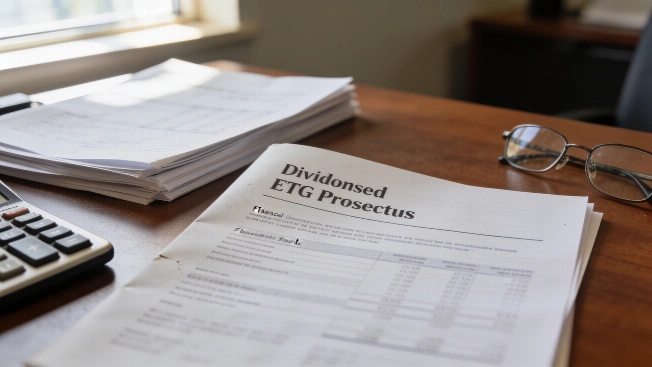
Dividend Stocks Are Finally Outperforming the S&P 500 Again
Dividend-focused funds are outpacing the S&P 500 so far this year, but investors face new risks as tech volatility rises and high yields tempt those seeking steady income

Is It Time to Pull Money Out of S&P 500 Index Funds?
With the S&P 500 reaching new highs and doubling since early 2023, investors face tough choices as market risks mount and safer alternatives become more appealing for those nearing retirement or needing cash soon

How to Generate a $500-Per-Month Passive Income Stream with SCHD
Building a $500 monthly passive income from dividends is possible with the Schwab U.S. Dividend Equity ETF, but it requires a significant upfront investment and a disciplined approach to compounding and reinvestment

The Costliest Retirement Mistake Investors Make in a Downturn
Selling stocks during a market drop can erase years of retirement gains. T. Rowe Price and Warren Buffett both warn that panic selling, not poor allocation, is the most damaging error for retirees seeking long-term growth

Why Regular Investing Is the Easiest Way to Build Wealth
Investors who stick to a disciplined schedule of contributions-even during market downturns-can lower their average cost per share and improve long-term returns, while those who pull back risk missing out on future market recoveries
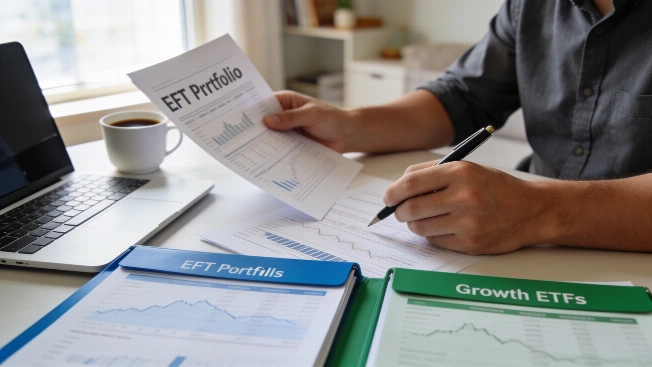
Two Growth ETFs to Hold Through Thick and Thin: Invesco Nasdaq 100 ETF (QQQM) and Vanguard Growth ETF (VUG)
Growth ETFs like Invesco Nasdaq 100 ETF (QQQM) and Vanguard Growth ETF (VUG) have delivered strong long-term returns, but their differences in sector exposure, diversification, and fees can impact investor outcomes

Why Market Timing Is a Losing Game for Most Investors
Missing just a handful of the S&P 500's best days can cut long-term returns in half, yet nearly half of those days occur during bear markets-making market timing a risky bet for most investors seeking steady growth
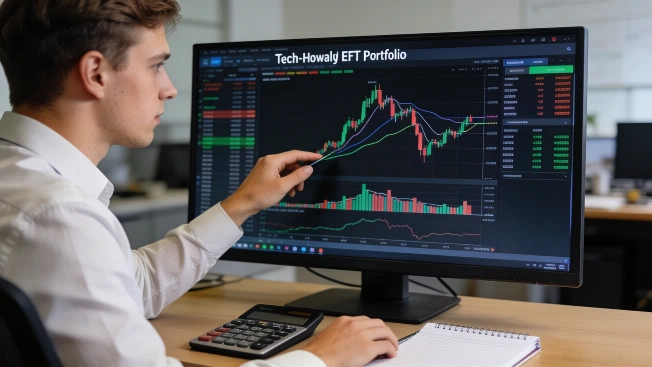
The Vanguard Morningstar Growth ETF: A Long-Term Growth Opportunity
The Vanguard Morningstar Growth ETF (VUG) offers exposure to high-growth U.S. companies, but its tech-heavy portfolio means investors face higher volatility and sector risk compared to broader index funds

Leopold Aschenbrenner's AI Hedge Fund Faces Crisis Amid Soaring Leverage and Margin Debt
A once high-flying AI hedge fund led by Leopold Aschenbrenner has seen its assets plunge from $45 billion to $10 billion after aggressive leverage collided with a surge in U.S. margin debt, raising new alarms for risk across Wall Street
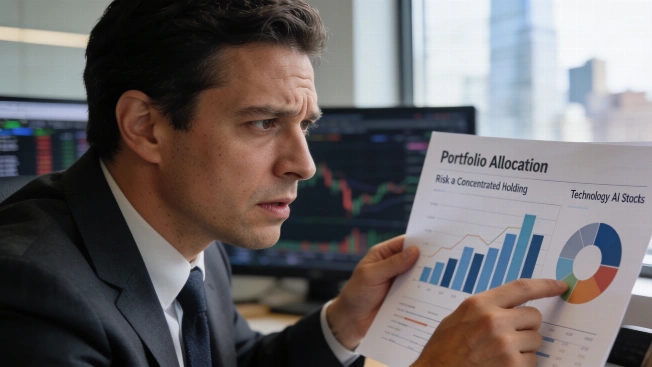
Steve Eisman Warns About Lack of True Diversification in AI-Heavy Markets
Steve Eisman urges investors to look beyond popular index funds as tech and AI stocks dominate major benchmarks, warning that hidden concentration risk could leave portfolios exposed if the sector stumbles

Nasdaq-100 Correction: What Investors Should Know
The Nasdaq-100 has slipped more than 11% from its June peak, entering correction territory and raising questions about portfolio strategy, risk tolerance, and the historical odds of recovery for investors exposed to tech-heavy indexes

The Stock Market Has Always Recovered From Downturns, Says Expert
Long-term investors in broad-market index funds like the Vanguard S&P 500 ETF have historically weathered market downturns, but past performance varies widely and short-term losses can be severe, especially during major crises

What Happens If You Invest $10,000 in the S&P 500 at the Dot-Com Bubble Peak?
A $10,000 investment in the S&P 500 at the height of the dot-com bubble in March 2000 would have lost nearly half its value within two years, but patient investors would see that stake grow to over $50,000 by 2024

Warren Buffett's Go-To ETF Strategy and What It Means for Investors
Warren Buffett has consistently pointed everyday investors toward a low-cost S&P 500 index fund, not secret stock picks. Here's why he favors this approach, how it compares to active management, and what the numbers show about long-term results

Vanguard's Total World ETF Offers Global Diversification for $6 a Year
For $6 per $10,000 invested, Vanguard's Total World Stock ETF gives exposure to more than 10,000 companies worldwide. Here's how its structure, holdings, and performance compare to U.S.-only funds and what investors should know about global diversification

How Buffett's S&P 500 Fund Pick Turned $10,000 Into $40,000
Investors who followed Warren Buffett's advice to buy and hold a low-cost S&P 500 index fund have seen their money quadruple over the past decade, but new data shows most active managers failed to keep up

Here's How Much You'd Need to Invest in SCHD to Generate $1,000 per Month in Dividends
To earn $1,000 in monthly dividends from the Schwab U.S. Dividend Equity ETF, investors would need to commit over $360,000-far less than what's required for a similar payout from an S&P 500 index fund, but not without trade-offs

Kevin Warsh Did Not Impress the Bond Market -- 30-Year Yields Are Up to 5.2%. Here's What This Might Mean for Investors in These 2 ETFs.
Despite Kevin Warsh's hawkish rhetoric as Fed Chair, the FOMC's decision to hold rates steady and his nuanced comments have left investors questioning the Fed's resolve, sending 30-year Treasury yields above 5.2%

Bill Ackman's Simple $1,000 Investing Strategy
Billionaire investor Bill Ackman outlines a practical approach for new investors with $1,000, emphasizing low debt, businesses you respect, and a long-term mindset-key factors that can help avoid common pitfalls and market shocks

How to Prepare Your Portfolio for a Recession
With inflation at 3.5% and the Federal Reserve signaling more rate hikes, investors face renewed recession risk. Learn how to build a cash buffer, maintain diversification, and keep your investment plan on track during market volatility

30-Year Treasury Bond Yields Jump Following Fed Chair Kevin Warsh's News Conference
Long-term Treasury yields spiked to 5.23% after Federal Reserve Chair Kevin Warsh's latest remarks, raising questions about the Fed's inflation strategy and putting pressure on bond investors to reconsider risk and duration

3 Things Every Successful Passive Income Investor Has in Common
Passive income investors who focus on long-term holding, regular investment schedules, and broad diversification can build more resilient portfolios and reduce the risk of major losses from market swings or company-specific setbacks

The S&P 500's Unbelievable Run Since 2023 and How Investors Should Handle Fear, Uncertainty, and Doubt
Despite the S&P 500 doubling investor money since 2023, persistent concerns about inflation, interest rates, and AI-driven market risks continue to shape investor sentiment and challenge long-term decision-making

iShares Core High Dividend ETF: A Solid Choice for Passive Income
The iShares Core High Dividend ETF (HDV) screens for quality U.S. companies with sustainable dividends, offering a 3.1% yield-about triple the S&P 500 ETF-making it a practical option for investors seeking steady passive income
Page 4 by 6