
S&P 500 Index Fund
133 articlesReaders can find walk-throughs, comparisons, examples and updates tied to trading basics, with attention to nearby terms when those details affect costs, rights, exposure or timing.

For S&P 500 Investors, Time Matters Most
The S&P 500's past returns have improved over longer holding periods. That record cannot tell investors when a decline will come or guarantee future gains.

Why VOO Could Help Investors Stay Put in a Recession
VOO spreads exposure across nearly 500 companies, which may help investors resist panic-selling during a downturn. But diversification cannot prevent market losses or replace cash needed soon.
What 98 Years of Market History Say About the 2026 Midterms
Prediction markets favor a Democratic takeover of Congress, while past S&P 500 returns have varied sharply with the party mix in Washington. The history points to risk, not a dependable forecast for investors.
Three ETFs to Consider Before a Downturn
Healthcare stocks and bonds may cushion some recession pressure, while broad-market funds keep stock exposure in the mix. The trade-offs include company concentration and the risk that bonds lose value when rates rise.

How Long Does It Take the S&P 500 to Recover From a Bear Market?
Yardeni Research counts 11 S&P 500 bear markets since 1957. Recoveries to a new high took a little over three years on average, but that figure cannot tell investors when the next loss will end.

Midterm History Gives Stocks a Seasonal Tailwind
Stocks have often gained after midterm elections, with strong average returns across three quarters. The pattern may help long-term investors set expectations, but it cannot promise a rally or remove the risks of stock funds.

Should You Invest in Stocks When Valuations Are High?
The S&P 500 and Nasdaq Composite have more than doubled since early 2023, while the S&P 500's Shiller CAPE reached 41. A Schwab comparison of five investing approaches over 20 years shows the potential cost of waiting for a better entry point.

Warren Buffett's Crash Advice Starts With Cash, Not Forecasts
Buffett's crash playbook starts with cash, not forecasts. A reserve can keep household bills from forcing stock sales, while a downturn may bring lower prices for businesses investors already value.
The Magnificent Seven May Be Seven Stocks, but They Share One Big Risk
The Magnificent Seven dominate the U.S. market, and all seven have significant exposure to AI. That overlap can make a portfolio of seven stocks act like one crowded bet, even when index funds hold them alongside hundreds of other companies.

Midterm Elections Carry a Small, Short-Term Market Risk
Polls point to a possible Democratic takeover of at least one chamber in November. But the historical market penalty is modest and applies most directly to a full sweep. Here's what investors should, and shouldn't, take from the data.

Automated index investing can build wealth without market expertise
Vanguard's 2026 retirement-plan report finds much higher participation in plans with automatic enrollment. Its figures show why steady contributions may matter more than trying to time the market.
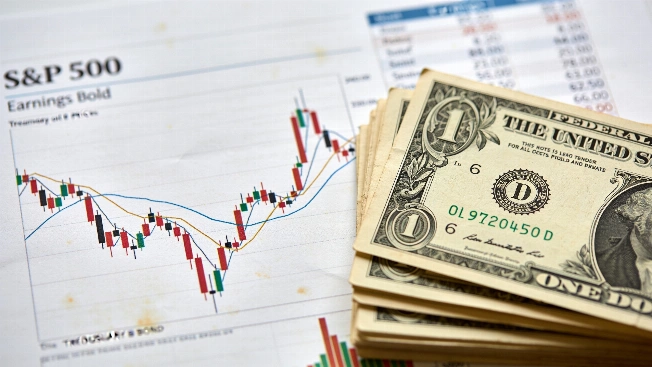
Three signals investors cannot ignore in today's market
Oil is trading near $91 a barrel. Treasury yields are climbing. S&P 500 earnings forecasts keep rising. These three signals are shaping the outlook for stocks as investors weigh inflation, war risk, and how much longer the rally can last.
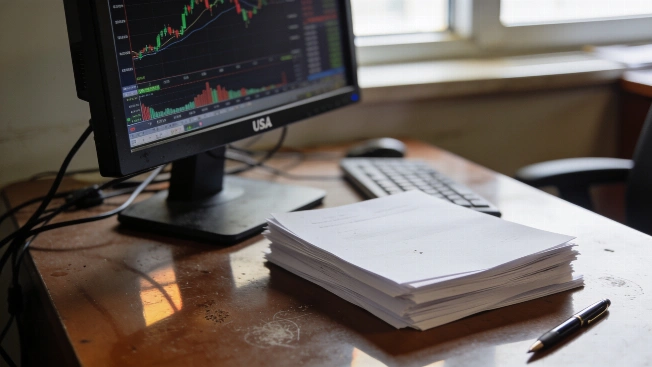
Three stocks for new investors to watch in 2026
Many new investors worry they missed out on the best stock market gains. Index funds and a few blue-chip stocks can help build a solid base for long-term growth-without needing to watch the market every day.
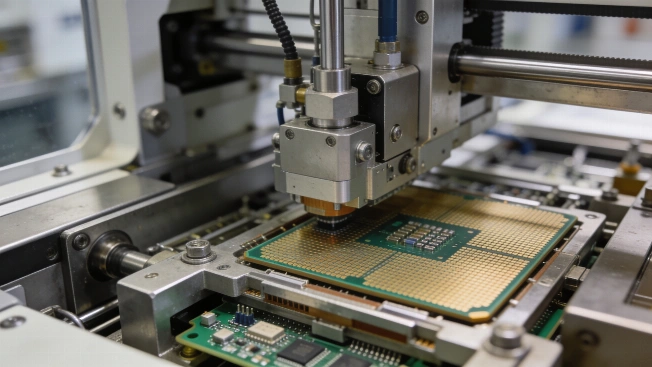
S&P 500 profits surge past index gains as chipmakers and energy fuel earnings
S&P 500 companies are set for a third straight quarter of earnings growth above 25 percent. Chipmakers and energy firms are leading the charge, while the index price lags behind profit forecasts.
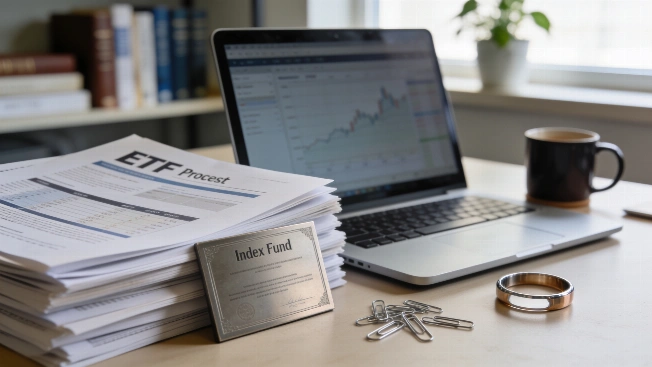
More Americans own stocks, but most market wealth stays at the top
Fifty-eight percent of U.S. adults now own stocks, often through index funds like the Vanguard S&P 500 ETF. But the richest Americans still hold most of the market, leaving everyday investors with new choices and risks.
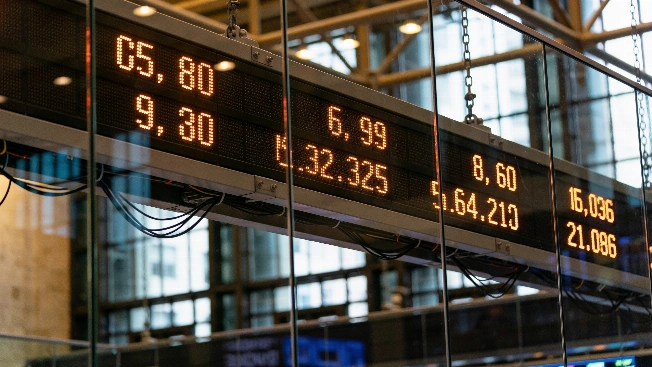
How long it takes for the stock market to recover after big drops
Market crashes of 30% or more have hit about once a decade, but since 1957, the S&P 500 has usually taken just over four years to recover. Recovery times have ranged from six months to more than seven years.
S&P 500 valuation nears dot-com bubble levels as market risks grow
The S&P 500 is trading at its highest valuation since the dot-com era, putting investors on edge as inflation, rising rates, and global tensions threaten future returns.
Why owning the whole stock market is still a smart way to invest
Jack Bogle's index fund idea let regular people buy the whole market for almost nothing. Here's how his simple, long-term plan can help you build wealth and dodge the traps of stock picking and high fees.
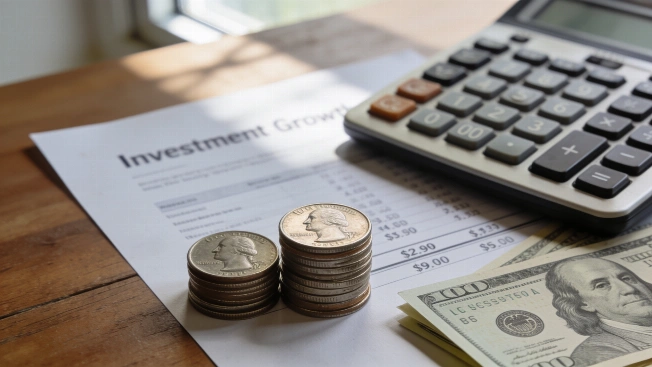
How compound interest turns small investments into real long-term gains
Put $100 a month into a stock fund earning 15 percent a year, and you could see it grow to over $24,000 in ten years. Compounding can push your money far past what you put in, especially if you reinvest dividends.

Anthropic IPO aims for $100 billion as S&P 500 funds quietly pull ahead
Anthropic wants to raise $100 billion in its IPO, but history shows many big-name debuts fall short of broad market funds. Here's why S&P 500 ETFs often give investors steadier long-term growth.

Campbell Soup dividend cut rattles investors as shares sink near 52-week low
Campbell Soup slashed its dividend by 36 percent after a 7.9 percent drop in quarterly revenue and a warning of more declines ahead. The stock now trades just above its yearly low.
Buffett tells investors: Don't bail out when markets drop
Warren Buffett's playbook for bear markets is simple: stay invested and look for bargains when stocks fall. Here's how his thinking fits with index funds-and why missing the market's best days can hurt your returns.

Steris dividend hike puts spotlight on stock price and future gains
Steris raised its dividend to $0.69 per share but the stock closed near its 52-week low. With analysts projecting upside, investors face a choice between income and growth potential

Illinois Tool Works dividend hike draws investor focus as valuation gap persists
Illinois Tool Works raised its quarterly dividend to $1.72 per share as earnings improved and the stock traded 11 percent below a key fair value estimate, intensifying debate over income and upside for investors
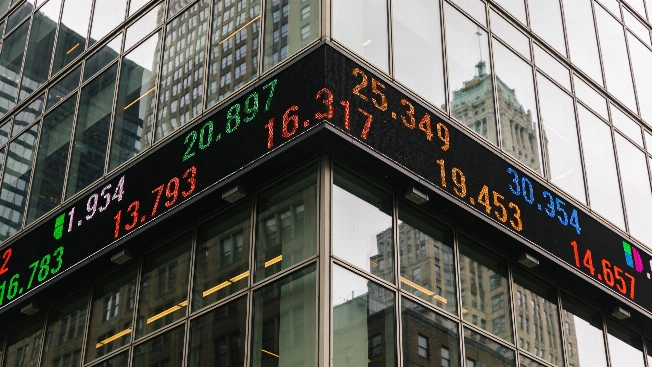
Stock Market Valuations Signal Caution for 2026 Growth Outlook
U.S. economic growth remains positive and recession signals are muted for 2026, but the S&P 500's valuation has reached levels last seen during the dot-com era, raising questions about future returns and portfolio risk

AI Stock Surge Sets Stage for Market Reset
AI-driven stocks have powered most recent market gains but their dominance has left portfolios exposed to sector risk and set up a potential shift toward broader diversification

Disciplined Investing Turns Modest Contributions Into Million Dollar Portfolios
Consistent monthly investing and the power of compounding can turn even moderate contributions into a seven-figure portfolio over time. See how starting early and staying disciplined changes the math for long-term investors

S&P 500 slips as rising Treasury yields pressure stocks
Stocks edged lower as the S&P 500 fell 0.19% and Treasury yields hit 5% with utilities the only sector in positive territory while Netflix and industrials dragged on performance

Why Bad News Can Be Good for Patient Investors
Market downturns often trigger fear and selling, but historical data shows that buying during corrections has led to strong returns for long-term investors willing to withstand volatility
AI Stock Valuations Face Historic Pressure on Wall Street
AI stocks have powered major U.S. indexes to record levels but a mix of high valuations, persistent inflation, and historical tech bubble patterns now threatens to upend the rally
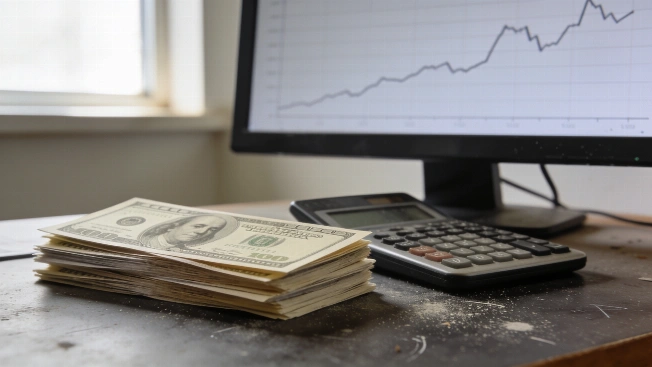
Why Stock Market Drops Can Boost Long Term Returns
Investors who keep buying during market downturns can end up with more shares and lower average costs than those who wait for a rebound. This disciplined approach may improve long-term returns but requires resisting the urge to sell in a panic
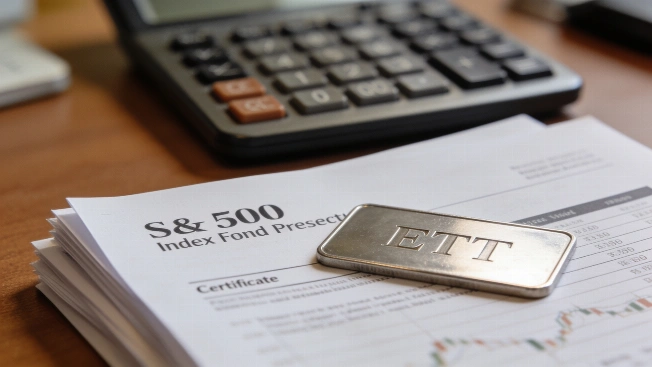
Why Most Investors Underperform the S&P 500 Index Fund
Most investors who try to beat the market end up trailing a basic S&P 500 index fund. See why even professionals struggle to outperform and how a single ETF can anchor your portfolio for decades.
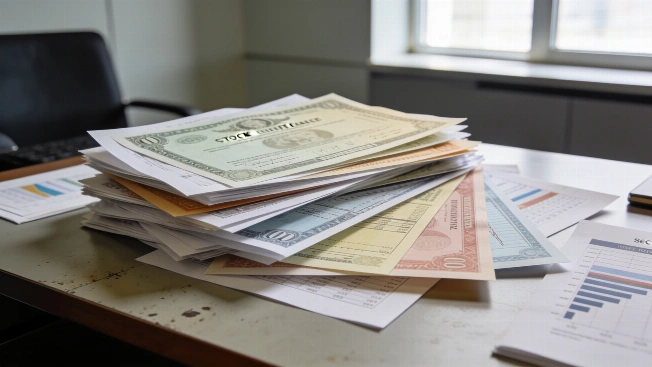
Diversification shields investors from single stock risk
Relying on one stock or sector can expose your portfolio to steep losses while a diversified approach has delivered strong long-term gains for investors in broad funds and disciplined stock pickers alike
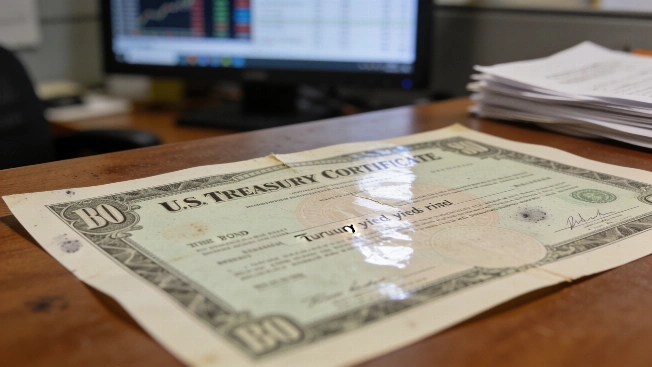
S&P 500 faces new pressure as Treasury yields approach five percent
A surge in 10-year Treasury yields is forcing investors to reconsider the risk of holding stocks near record highs as bond returns become harder to ignore and economic growth slows
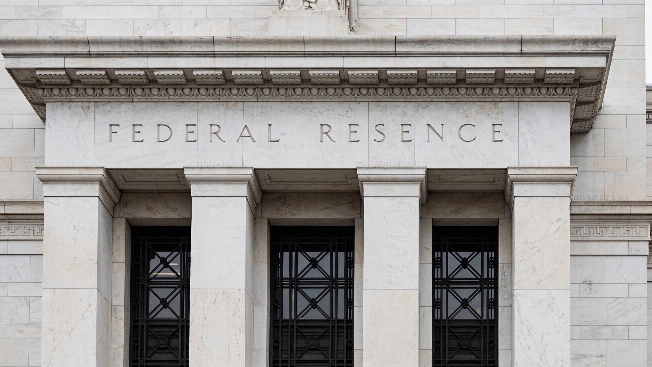
Fed Rate Hike Odds Surge After Strong Jobs Data
A robust August jobs report has pushed the odds of a Federal Reserve rate hike above 50 percent. With a key inflation reading due this week, investors face renewed uncertainty over stock market direction and portfolio strategy
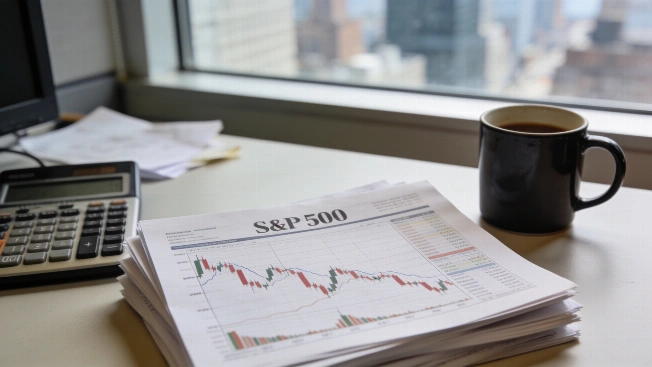
Investors who keep buying during market dips build long term wealth
September has a reputation for stock market losses but investors who keep buying through downturns have historically outperformed those who try to time the market or sit on the sidelines

Bear Markets Offer Rare Openings for Patient Investors
Bear markets have historically delivered steep declines but also rare chances to buy strong companies at lower prices. Investors who prepare for volatility and keep buying during downturns may see better long-term results.
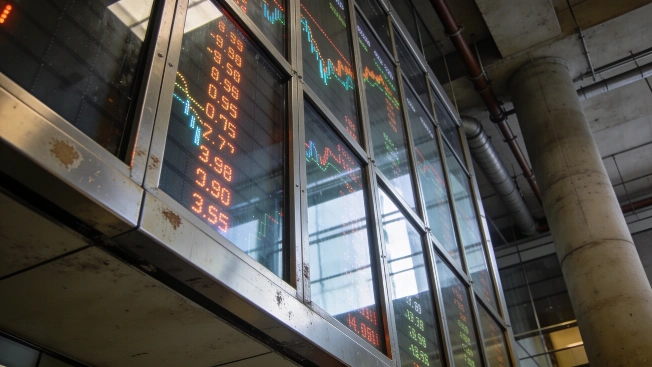
Stock valuations reach dot-com era highs as investors weigh risk
The S&P 500's CAPE ratio has soared above 40 for only the second time in history, raising the risk of a future correction and forcing investors to reconsider how much risk they are willing to take in their portfolios

Oil Price Spike Drives Inflation Pressure Ahead of Fed Decision
With oil above $90 a barrel and inflation stuck well above target, the August CPI report could force the Fed's hand on rates-putting stocks and household budgets at risk if energy costs keep climbing

S&P 500 Index Funds Reshape Long-Term Investing in the US
A $10,000 investment in an S&P 500 index fund a decade ago could now be worth over $38,000. But recent returns far outpace the long-term average, and most managed funds still lag behind this broad market benchmark.
Page 1 by 4