Oil is trading near $91 a barrel. Treasury yields are climbing. S&P 500 earnings forecasts keep rising. These three signals are shaping the outlook for stocks as investors weigh inflation, war risk, and how much longer the rally can last.
The stock market has taken hit after hit, but the S&P 500 is still up more than 13% this year. That comes after two years of double-digit gains. Investors have had to deal with the fallout from the Iran war, stubborn inflation, and doubts about artificial intelligence. The real question now isn't whether stocks can keep rising forever. It's which signals will show when the rally is running out of steam-or when it still has room to go.
No single number can predict what comes next. But three signals stand out for anyone trying to read the market's true condition: oil prices, long-term bond yields, and S&P 500 earnings forecasts. Each one tells a different story about risk, opportunity, and the health of the economy.
In late September 2026, Brent crude oil repeatedly tested the $99-$101 range, while WTI hovered around $95-$97, highlighting the market's sensitivity to supply news.
Oil prices and economic pressure
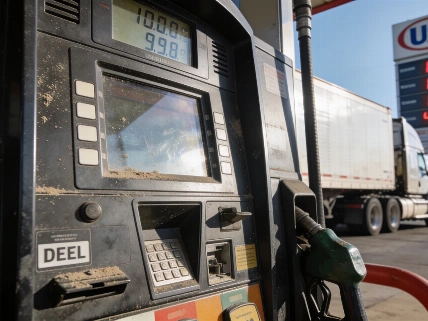
Oil prices hit both household budgets and business costs. When West Texas Intermediate (WTI) crude sits just below $91 a barrel and Brent crude nears $99.40, the impact shows up at gas stations, in supply chains, and in inflation expectations. The Iran war has disrupted the Strait of Hormuz, a key route for global oil shipments. That's kept prices high and raised the stakes for both consumers and policymakers.
A Reuters market summary shows oil got volatile in late September 2026. Brent crude jumped as high as $105.40. WTI hit $93.94. Both settled back near $100. The swings came from Middle East supply risks and U.S.-Iran diplomatic moves, which kept prices from staying below $100 for long.
High oil prices have pushed the Federal Reserve to keep interest rates higher, since energy costs feed into inflation. The U.S. Strategic Petroleum Reserve has dropped below 285 million barrels, the lowest since 1982. Experts warn that if reserves fall below 250 million barrels, it could damage storage infrastructure. So far, the market has handled these pressures. But if prices climb further, it could squeeze consumer spending and shake investor confidence.
The decline in the U.S. Strategic Petroleum Reserve to 284.6 million barrels follows years of large-scale sales and releases, leaving the emergency buffer at its lowest since October 1982 and raising concerns about the nation's ability to respond to future supply shocks.
Bond yields and the cost of risk
Long-term U.S. Treasury yields have jumped as investors want more for taking on inflation and rising federal debt. Higher yields make government bonds more appealing compared to stocks. That raises the bar for riskier bets. It also means higher borrowing costs for families and businesses. Mortgage rates and corporate debt have both gone up.
Since the Great Recession, the U.S. got used to rock-bottom interest rates. The Federal Reserve's rate hikes since 2022 have forced a fast reset. Now, borrowers and markets are being tested. If yields keep rising, the cost of new government debt will go up. That could strain federal budgets and crowd out other spending.
Federal Reserve data shows the yield on the 10-year Treasury note has reached levels not seen since before the 2008 financial crisis. Mortgage rates for 30-year fixed loans have topped 7%. That's made it harder for many Americans to buy homes and has pushed up the government's interest bill on new debt.
Earnings forecasts and market momentum
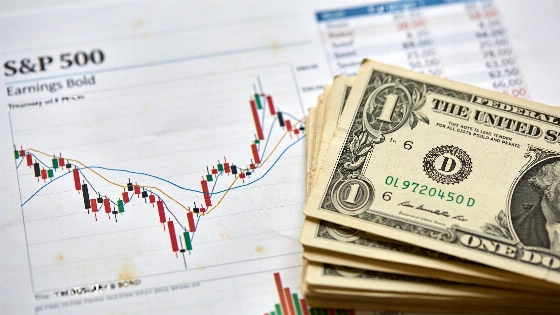
The S&P 500 has managed to push higher thanks to strong earnings growth and upbeat forecasts. Investors usually value stocks based on earnings multiples. As long as profits keep rising, higher prices can be justified. In 2025, the S&P 500 delivered about $271 per share in earnings. This year, strategists expect nearly $363 per share-a 34% jump-according to LSEG research. By 2027, analysts see another 15% increase, though the pace may slow.
Some investors see these forecasts as a sign that earnings growth is peaking, so they lower their price targets. Others see continued growth as a reason to stay in, even if gains are smaller. The direction of forward earnings estimates will likely decide if the market can hold its ground or faces a correction. As Reuters market commentary notes, oil and the Strategic Petroleum Reserve are now the most rigorously verified market signals, while consensus earnings estimates need to be checked against current forecasts.
How earnings estimates move shapes market mood. When analysts raise forecasts, it can boost confidence and draw in new buyers, sending prices up. If estimates are cut, selling often follows as investors rethink what their stocks are worth. This feedback loop between expectations and market moves is at the heart of equity investing. That's why forward-looking data matters as much as reported results.