Diesel has jumped to a record $6.51 per gallon across the U.S., driving up costs for businesses and stoking fears of a market slide. Warren Buffett's steady approach stands out as investors brace for more volatility.
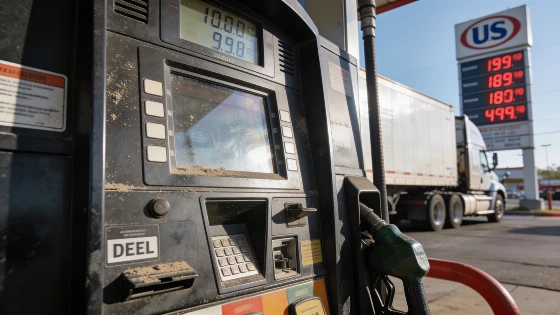
Diesel prices have hit a record high in the U.S., with the national average now at $6.51 per gallon. This isn't just a problem for drivers. Nearly every business that depends on trucks, trains, factories, or farms is feeling the squeeze. As diesel gets more expensive, so does everything that needs to be shipped or produced. That pushes up prices for goods and services, adds to inflation, and rattles markets that were already uneasy.
Gasoline usually gets cheaper in the fall, but diesel isn't following that pattern. The blend needed for colder months costs more and doesn't burn as efficiently. At the same time, demand for home heating oil-made from the same base as diesel-puts extra pressure on supply. AAA says regular gasoline averaged $4.48 per gallon nationwide on Monday, the highest September price ever. But it's diesel's steady climb that has economists and investors worried about what comes next.
According to the U.S. Energy Information Administration, diesel prices on the West Coast exceeded $7.25 per gallon in September 2026, with California seeing prices above $8 per gallon.
How diesel costs hit the economy
Diesel keeps the country moving. Trucks, freight trains, construction gear, and farm machines all run on it. When diesel prices spike, it costs more to move goods. That cuts into business profits and pushes up prices for shoppers. You can see the effect in grocery stores and on building sites. Even gasoline prices can stay high, since most gas is delivered by tanker trucks that use diesel.
Stock markets have felt the pressure. In the first half of September, the S&P 500 dropped 1.3%. The Dow Jones fell 2.1%. Rising fuel costs were a big reason for these losses, as investors worried about slower economic growth. If diesel stays expensive, some industries could shrink, raising the risk of a wider market downturn.
What investors can do in rough markets
For investors, high fuel prices and a shaky economy make it tough to know what to do next. Warren Buffett, who leads Berkshire Hathaway, has seen plenty of market crashes. He's always pushed for staying invested, even when things look bad. Instead of selling in a panic, Buffett has often bought strong companies at lower prices during downturns. His famous advice-"Be fearful when others are greedy. Be greedy when others are fearful"-still guides many long-term investors.
Reuters reported that U.S. distillate fuel oil inventories were projected to fall below 100 million barrels in September 2026 and remain under the five-year minimum through the end of 2026 and much of 2027, raising concerns about ongoing supply tightness.
Research from The Motley Fool backs up this approach. Their data shows that investors who stay in the market during downturns usually do better than those who sell and try to jump back in later. No plan is risk-free, but history points to disciplined investors recovering faster from market shocks than those who act on fear.
Energy prices and the bigger picture
Energy costs have been swinging markets all month. Earlier in September, a sharp drop in oil prices helped tech stocks rally, as reported earlier. But diesel and gasoline prices have stayed high, keeping inflation worries front and center for both shoppers and investors. The link between energy costs and market mood is still strong as the Federal Reserve and other policymakers decide what to do next.
The EIA's September 2026 market update shows the average on-highway diesel price jumped from $6.285 per gallon on September 14 to $6.529 by September 21. That's a weekly jump of almost 24 cents. The EIA points to high crude oil prices, more expensive refining, seasonal demand for heating oil, and very low distillate fuel inventories as the main reasons for these records.
Why diesel matters for everyone
Diesel's impact goes far beyond the gas station. Its price shapes the cost of shipping, farming, manufacturing, and even home heating in many places. Diesel demand doesn't swing as wildly as gasoline, so when prices go up, they tend to stay high for longer. That means higher costs for businesses and, in the end, for families buying groceries, building supplies, and other goods. For investors, tracking energy prices is key to understanding risk and spotting chances in a market that keeps changing.