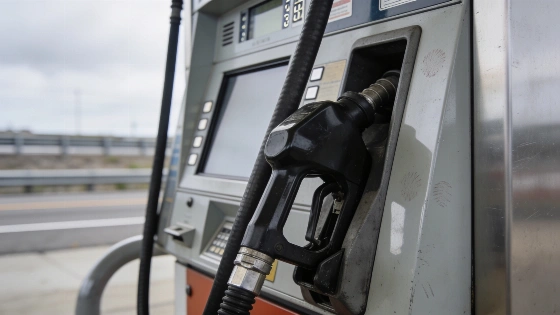
A federal pause could cut fuel taxes by up to 18.4 cents per gallon for gasoline and 24.4 cents for diesel. Sellers may keep part of the savings, while the lost revenue could deepen the deficit and strain highway funding.
Retailers would have to decide whether to pass any tax cut through at the pump. That is only one of the hurdles facing a proposed federal fuel-tax holiday.
President Trump is considering suspending the federal gasoline tax as energy costs rise amid the Iran war. On October 6, he said the administration was "thinking about" the idea, but offered no detailed plan or timeline. The measure has not been enacted. Reuters reported that suspending a federal tax would require congressional legislation. The proposal could fail to pass, and fuel sellers might not pass the full tax reduction on to customers.
Congress has never suspended the federal fuel tax. In 2026, lawmakers proposed temporary gas-tax relief, including a bill from Sens. Richard Blumenthal and Mark Kelly, but it did not become law.
The cost to highway funding
The commonly cited federal rates are 18.4 cents per gallon for gasoline and 24.4 cents for diesel. The U.S. Energy Information Administration lists the underlying rates as 18.3 cents and 24.3 cents, respectively. It also notes a separate 0.1-cent-per-gallon fee for the underground storage tank leak program, so figures are not always presented on the same basis. A suspension would cut dedicated revenue for the Highway Trust Fund, which supports federal infrastructure spending. Pausing both taxes would create an estimated $3.5 billion monthly hole for as long as the break remained in effect.
The fund is already projected to run out by 2028. The Congressional Budget Office forecast depletion by the end of fiscal 2028, while the American Action Forum estimates that a one-month pause could move that date forward by several weeks. The shortfall could arrive sooner and force cuts to federal infrastructure spending.
Congressional approval remains a major hurdle. Trump previously approved an executive order expanding tax-free use of red-dyed diesel for truckers. That order does not suspend the federal gasoline and diesel taxes, so the broader proposal remains a possibility rather than a change drivers can count on.
Penn Wharton Budget Model estimated that suppliers could retain part of the benefit: retail prices might fall by about 13 cents per gallon for gasoline and 15 cents for diesel, rather than by the full amount of the tax reduction.
Tax savings may not reach drivers
Even if Congress approved a pause, a tax reduction would not guarantee an equal drop at the pump. Suppliers could raise prices and keep some of the savings, leaving drivers with less relief than the statutory cut suggests. How much of the reduction would reach consumers remains uncertain.
The tax is only one part of the price drivers pay. Energy disruptions linked to the Iran war and the closure of the Strait of Hormuz are key pressures behind higher fuel costs. A federal tax pause would not restore disrupted supply or resolve the conflict, the stated cause of the price shock.
A lower posted price would offer immediate help only if sellers passed the cut through. It would not ensure prices stayed down while supply pressures continued. For households and businesses that rely on fuel, the discount would be temporary and conditional.
Deficits and market pressure
The fiscal risk reaches beyond highway funding. The federal deficit has grown significantly since 2020, and suspending fuel taxes would cut federal revenue further. The Committee for a Responsible Federal Budget estimates that a 30-day suspension of the gasoline tax alone would reduce receipts by about $2.5 billion. Pausing both gasoline and diesel taxes for a month would cost about $3.5 billion. A three-month pause could cost roughly $7 billion.
More federal borrowing could push Treasury yields higher, raising borrowing costs for businesses and consumers and potentially pressuring stocks. That is a risk, not a guaranteed market reaction. Higher Treasury yields can make borrowing more expensive, while investors' response in the stock market would depend on how they weigh the proposal against other economic pressures.
The Dow Jones Industrial Average has posted significant gains under Trump. The S&P 500 and Nasdaq Composite have, too, but those gains do not insulate markets from inflation or fiscal concerns.
Inflation has remained above the Federal Reserve's 2% target for 66 consecutive months. The rate reached a three-year high of 4.2% in May. The Iran war and rising energy costs have contributed to the elevated pressure.