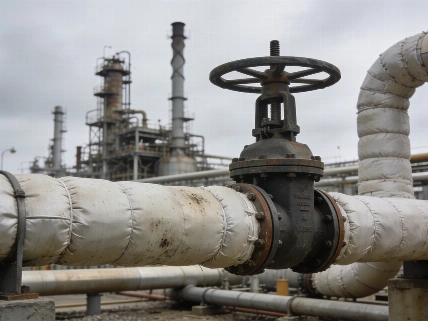
With oil above $90 a barrel and inflation stuck well above target, the August CPI report could force the Fed's hand on rates-putting stocks and household budgets at risk if energy costs keep climbing
Wall Street is facing heightened uncertainty as the Federal Reserve confronts persistent inflation, now exacerbated by a sharp rebound in oil prices. The August Consumer Price Index (CPI) report, due Friday, is expected to play a decisive role in shaping the Fed's next policy move. Investors are preparing for potential market volatility if inflation data exceeds expectations.
OPEC+ production cuts, led by Saudi Arabia and Russia, have removed more than 2 million barrels per day from global supply since mid-2023, intensifying upward pressure on oil prices.
Inflation Data and Fed Policy
The Federal Reserve's 2% inflation target remains elusive. In July, the CPI increased 3.4% year over year, according to the Bureau of Labor Statistics. Energy prices were a significant factor, with the energy component of the CPI rising 14.7% and gasoline prices up 24.6% compared to the previous year. The Producer Price Index (PPI), which measures business input costs, also recorded a 4.7% annual increase in July, with energy up 18.2%, indicating that additional inflationary pressure may be forthcoming.
Fed officials have indicated that the August CPI reading will be a critical input for their September policy meeting. According to CME Group's FedWatch tool, traders currently assign about a 50% probability to a rate hike if inflation data comes in above expectations. During the previous rate-hiking cycle from March 2022 to August 2023, the S&P 500 declined by more than 20% from its peak, highlighting the potential risk to investors if borrowing costs rise again.
Market Risks and Investor Behavior
The International Energy Agency warned in its September 2023 oil market report that global oil demand is expected to reach a record 102.2 million barrels per day this year, while supply growth is slowing due to OPEC+ cuts and underinvestment in new production.
Investors are closely monitoring Friday's CPI release. A higher-than-expected figure could prompt a shift in market sentiment, particularly given current equity valuations and the recent memory of the last bear market. As previously reported, even a modest increase in the perceived likelihood of a rate hike has unsettled markets in recent weeks.
Energy's Outsize Role in Inflation
While the current inflation surge is not solely attributable to oil, energy costs are amplifying broader price increases. Rising crude prices elevate the costs of shipping, manufacturing, and retail goods. The closure of the Strait of Hormuz has removed approximately a quarter of the world's seaborne oil from the market, and with peace negotiations stalled, relief appears unlikely in the near term. The U.S. government's emergency oil reserves are depleted, limiting its capacity to intervene if prices spike again.
For consumers, this translates to higher prices at the pump and in grocery stores. For businesses, it means narrower margins and more difficult decisions regarding cost pass-through to customers. The inflationary impact of energy is expected to persist as long as supply disruptions and geopolitical risks remain unresolved.
The Consumer Price Index is a principal measure of inflation, tracking the average change in prices paid by urban consumers for a defined basket of goods and services. While headline CPI includes volatile food and energy prices, core CPI excludes them to provide a clearer view of underlying trends. Policymakers and investors monitor both metrics, but during periods of energy-driven shocks, headline inflation can diverge significantly from core inflation, complicating assessments of underlying price pressures.