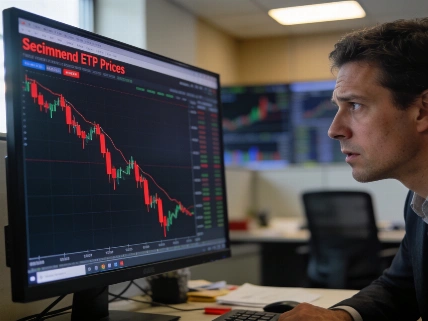
U.S. stocks fell after President Donald Trump rejected a proposed U.S.-Iran truce, renewing concerns about oil supplies. Higher Treasury yields and losses across most sectors added pressure as investors awaited inflation and jobless data.
On September 26, President Donald Trump publicly rejected an Iranian proposal tied to reopening the Strait of Hormuz and ending hostilities. Investors again doubted the strait would reopen soon. They shifted toward defensive sectors.
The major indexes fell, but the bigger market question is whether energy disruptions will keep stoking inflation fears and bond-market selling. Higher yields can raise borrowing costs across the economy. Pricier energy can also squeeze household budgets and business margins.
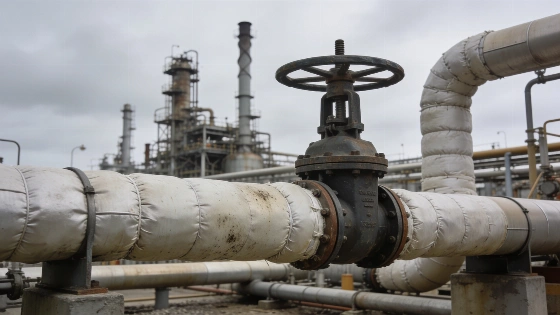
Before the U.S.-Israeli war with Iran, about 20% of the world's oil supply passed through the Strait of Hormuz.
Broad losses meet defensive buying
At 11:56 a.m. ET, the S&P 500 was down 0.78% at 7,684. The Nasdaq Composite had fallen 0.90% to 26,823, while the Dow Jones Industrial Average was 0.72% lower at 51,465. These were intraday readings, not closing prices.
Energy and consumer defensive stocks held up best. Consumer cyclicals and communication services had the steepest declines, and many other sectors were also in the red. The split was clear.
The pattern suggests investors were cutting exposure to companies seen as more sensitive to economic growth. They favored businesses tied to energy or steadier consumer demand. It does not show that investors expect a specific outcome from the geopolitical standoff.
Oil prices surged as concerns about supply disruptions persisted. The move came after fuel-cost pressures discussed in earlier diesel coverage, though the immediate trigger in this session was the rejected truce proposal. Before the rejection, negotiators in New York discussed an informal, phased path out of the war. Iran would reopen Hormuz while the United States lifted its economic blockade. The discussions were not an announced agreement, according to Reuters' account of phased talks.
Iran's Foreign Minister Abbas Araghchi said reopening the Strait of Hormuz depended on Iran's conditions being met, adding that only a negotiated solution could end the deadlock.
Stocks diverge on company news
Nvidia shares rose after the company announced a $150 billion share buyback. A buyback lets a company return capital by repurchasing its own shares. The announcement does not mean Nvidia has already spent the full amount. Its gain stood out as technology shares broadly fell.
MongoDB shares dropped sharply after CEO Chirantan "CJ" Desai's surprise departure. He is moving to Meta Platforms. Chipmakers including Intel and Advanced Micro Devices also fell amid concerns about artificial intelligence safety.
Those company-specific moves came alongside pressure on the wider market. The day's weakness in technology shares does not amount to a single, uniform judgment on the industry.
Yields put pressure on risk appetite
The 10-Year Treasury yield rose 8 basis points to 5.26%. Gold fell 3.83% to $4,122.91 at the reported market snapshot. A basis point is one-hundredth of a percentage point.
Treasury yields rose as gold fell, so the assets did not move in lockstep. That alone does not reveal a single investor motive. Reuters reported that the 10-year yield reached 5.2297% during the September 25 session, its highest level since 2007, amid higher oil prices and inflation concerns. The figures appeared in its September 25 market report.
Higher yields can make existing bonds less attractive when newly issued debt offers more income. They can also raise the return investors may demand from stocks. Energy costs add another concern. If they stay high, they can push inflation higher while weighing on consumers and companies.
The session's figures capture one moment in trading. They are not a settled forecast for inflation, interest rates or corporate earnings.
Data and trading changes ahead
Inflation and jobless figures due this week will give investors new evidence on price pressures and labor-market conditions. Neither release tells the whole story. Inflation data can show whether costs are still rising, while jobless figures offer a separate, limited view of labor-market stress.
The input provides no specific release values or dates. The market response will depend on the figures when they arrive.
Investors are also preparing for the NYSE, Nasdaq and London Stock Exchange to expand trading hours. Longer sessions could change when orders are placed and how liquidity is spread across the day. The change also carries regulatory and investor-protection risks.
More trading hours do not guarantee deep liquidity at every hour. That distinction matters.
Bond yields serve as a reference point for borrowing costs and for comparing potential investment returns, though their effect varies by borrower and asset. Rising yields can make financing more expensive for companies and put pressure on stock valuations. Neither result is automatic, and the effects differ across firms.
For U.S. households, energy costs and borrowing rates are separate ways a supply shock can reach everyday finances. This session showed markets pricing both geopolitical supply risk and tighter financial conditions. Upcoming inflation and labor data will shape the next assessment.