Gold and silver have posted sizable long-term gains, and Bitcoin's fixed supply draws investors seeking inflation protection. But fees, volatility and timing all matter before changing a portfolio.
On Sept. 29, New York Fed President John Williams said inflation was 3.7%. He also reiterated that the Federal Reserve defines price stability as 2% inflation over the longer run, according to Williams's Sept. 29 remarks. An August snapshot in the source material put U.S. inflation at 3.4%, above the Fed's 2% target. That figure is undated, so it should not be read as current.
Scarcity alone does not make an investment a dependable inflation hedge. Gold, silver and Bitcoin have limited or constrained supplies, but prices can move for reasons beyond inflation. None guarantees that an investor will preserve purchasing power over a particular period.
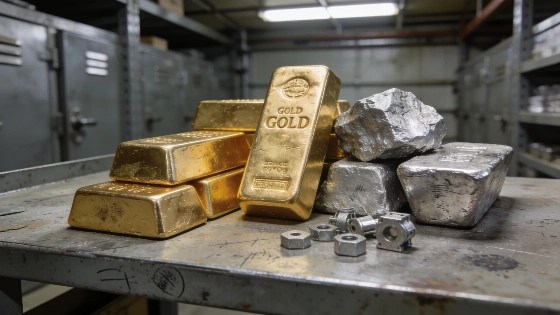
Each asset rests on a different case. Gold has a long history as a tradable store of value. Silver has industrial uses, while Bitcoin has a programmed supply limit. The risks and ways to invest differ just as sharply.
Inflation and the rate trade-off
The source snapshot argued that further rate increases could pressure stocks. Higher borrowing costs can make business expansion more expensive. Higher yields on cash-like investments may also draw some investors away from equities.
Reuters reported that the latest available personal consumption expenditures inflation reading was 3.7% year over year in July. On Sept. 16, the Fed raised its benchmark rate to 3.75% to 4.00%. It said the move would support a timelier return to its 2% goal, as detailed in a Reuters policy account. Neither development establishes what the Fed will do next.
That distinction matters. Gold and silver do not pay interest. Bitcoin generates no cash flow. When rates and yields rise, investors may find assets with no income less attractive to hold. Inflation concerns can support demand, but they do not cancel out rate pressure or market volatility.
Reuters reported that Fed officials expected inflation not to return to the central bank's target until 2029.
Past price gains offer context, not a promise. The supplied figures say gold rose 588% and silver 460% over 20 years. U.S. dollar purchasing power fell by 35% to 40% over the same period. Those comparisons do not establish how either metal will perform next.
Gold's role and its cost
Gold appeals to investors because it is scarce and easy to exchange. It does not have a steady record of beating stocks. Investors can hold physical metal or use a fund that tracks gold by holding bullion. The SPDR Gold Trust (GLD) is one such fund. The source material reports that it held $141 billion in assets and charged a 0.40% gross expense ratio. Those figures are undated, so investors should check current fund details before relying on them.
State Street says each share represents a fractional interest in physical gold. The fund covers expenses by selling a small amount of gold over time.
A fund means investors do not have to handle or store bars themselves. But its expense ratio reduces returns over time. Physical gold avoids a fund fee, though buyers still need to consider storage and how they will buy or sell it. The source does not quantify those costs, so it cannot show which approach is cheaper for an individual investor.
Gold's history may make it a portfolio diversifier for some investors, especially those concerned about the dollar's purchasing power. It is not a substitute for cash needed soon. It cannot guarantee protection against losses when markets turn.
Silver combines two bets
Silver shares gold's scarcity argument, but it also has industrial demand. The source links the recent-year rally to demand from cloud infrastructure and artificial intelligence outpacing supply. Miners also faced declining ore grades, rising expenses and tighter regulation. That is the source's account of the move, not proof that the same pressures will continue.
The iShares Silver Trust (SLV) offers exposure through a fund that holds silver. The source lists more than $30 billion in assets and a 0.50% sponsor fee. It gives no reporting date for either figure. As with a gold fund, the fee matters. The fund's price can also move with the metal rather than provide a stable return.
Silver can appeal as a safe haven and still see sharp price swings tied to industrial demand. That volatility has also featured in recent silver coverage. A pullback or rally alone does not show whether the metal is a reliable hedge for a particular investor.
Bitcoin's scarcity carries volatility
Bitcoin's supply is capped at 21 million tokens. The source says more than 20 million have already been mined. Mining rewards are cut in half every four years, which limits the rate at which new Bitcoin enters circulation. A fixed maximum supply may appeal to investors worried about currency debasement. It does not ensure stable demand or a rising price.
Investors can buy Bitcoin through a crypto exchange or brokerage. They can also use a spot-price ETF and avoid managing private keys themselves. These routes involve different custody arrangements. Bitcoin remains more volatile than gold or silver. Greater upside is possible, but so are larger losses. The source offers no basis for forecasting either outcome.
These assets are not interchangeable inflation insurance. Gold is primarily a precious-metal holding. Silver adds industrial exposure. Bitcoin is a volatile digital asset whose value depends on continued market demand. Historical gains and supply limits can inform a decision, but they do not make any of these assets suitable for every portfolio. Fees, time horizon and an investor's ability to absorb losses matter just as much.