
Asset Allocation
92 articlesLook for pieces that explain transfer walkthroughs, risk tools and investing accounts, compare adjacent choices and show how nearby terms appears in applications, disclosures, statements or official pages.

Three ETFs That Can Cushion a Portfolio Without Market Timing
These three ETFs take different approaches to portfolio risk without requiring investors to move everything to cash. None can prevent losses or predict when a market downturn will come.

What 98 Years of Market History Say About the 2026 Midterms
Prediction markets favor a Democratic takeover of Congress, while past S&P 500 returns have varied sharply with the party mix in Washington. The history points to risk, not a dependable forecast for investors.

Weak-Conviction Stocks Deserve a Closer Look as Bear-Market Risks Rise
Hartford's historical figures put the typical S&P 500 bear-market decline at 35%. Investors can review which holdings still fit their long-term plans without assuming a downturn is near.

ARKX vs. XAR: Which Aerospace and Defense ETF Fits Your Portfolio?
ARKX returned more than XAR over the trailing year in the reported snapshot, but it charges more and showed greater volatility. Over four years, the funds finished almost even.
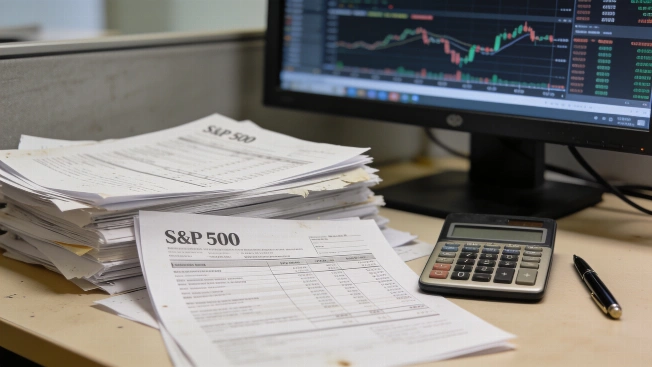
Prepare Your Portfolio Before a Bear Market Tests Your Nerve
Inflation and higher interest rates could pressure an already-high stock market. Investors can prepare by checking their risk tolerance and deciding how much cash and defensive exposure fit their plans.

Shiller CAPE Above 40 Puts S&P 500 Valuations in Focus
The S&P 500's Shiller CAPE has climbed above 40, a level last reached before the dot-com crash. The measure cannot time a downturn, but it can prompt investors to check their exposure before markets turn.
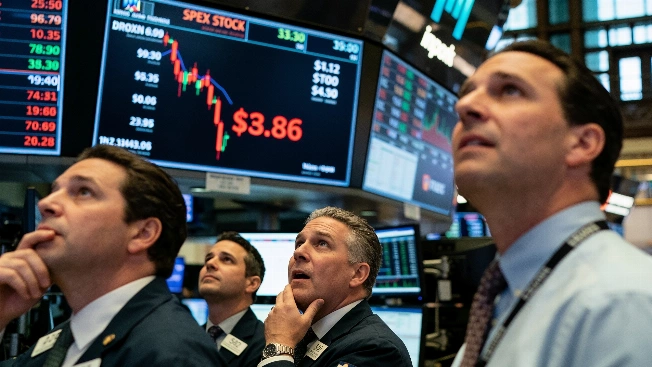
SpaceX Shares Shed $120 Billion After Earnings
SpaceX shares fell 13.61% in one day after earnings, wiping out about $120 billion in market value. The drop raises a practical question for investors: how much exposure to one company is too much?

Is It Too Late to Start Investing? Why Starting Now Still Matters
More than half of workers report less than $100,000 in retirement savings. Hypothetical projections based on 8% annual growth show how steady investing could build a meaningful balance over time.
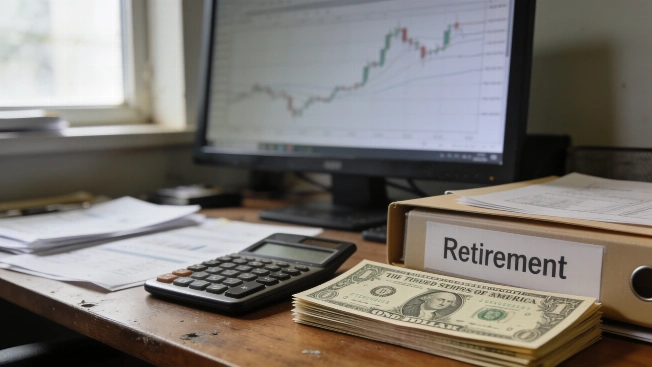
Retirement Investing Doesn't Stop at 65. Here's How to Think About It
Retirement investing means funding near-term withdrawals while keeping some money invested for later years. Age-based rules and a three-bucket approach can help you plan, but neither guarantees a result.

Tech stock valuations push investors to rethink as returns beat the market
Tech ETFs like QQQ and VGT have posted annual returns of 16% to 26% in recent years. But high prices and market uncertainty are making some investors question their tech exposure.
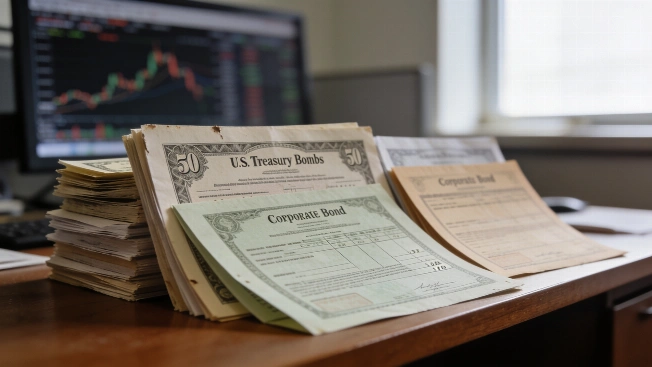
Bond ETF under strain as yields climb
The iShares Core U.S. Aggregate Bond ETF now pays a 4.82% yield, but recent rate hikes and five years of negative returns show the risks for investors chasing income and stability.
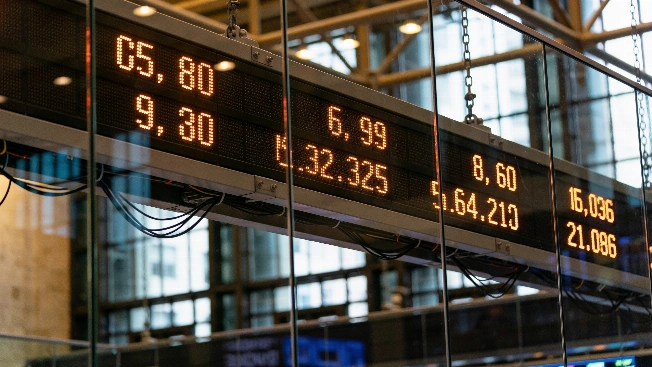
How long it takes for the stock market to recover after big drops
Market crashes of 30% or more have hit about once a decade, but since 1957, the S&P 500 has usually taken just over four years to recover. Recovery times have ranged from six months to more than seven years.

Disciplined Investing Turns Modest Contributions Into Million Dollar Portfolios
Consistent monthly investing and the power of compounding can turn even moderate contributions into a seven-figure portfolio over time. See how starting early and staying disciplined changes the math for long-term investors

Why Bad News Can Be Good for Patient Investors
Market downturns often trigger fear and selling, but historical data shows that buying during corrections has led to strong returns for long-term investors willing to withstand volatility
Dividend ETF choices for steady income in volatile markets
Three dividend ETFs with low fees and a focus on quality aim to deliver consistent income and capital preservation for investors seeking stability over high yields
Diversification shields portfolios from sudden market drops
Relying on a handful of high-flying stocks can leave your investments exposed if the market plunges. Learn how a mix of sectors and steady dividend payers can help protect your portfolio from lasting losses

Kevin O'Leary's Five Investing Rules That Could Save Your Portfolio
Kevin O'Leary reveals the five rules he uses to avoid catastrophic losses and keep his money working. His approach rejects hot tips and market timing in favor of strict risk controls and income discipline
Why I Am Buying Internatiaonal Stocks With Vanguard VXUS
With US stock valuations stretched and AI-driven gains dominating headlines, some investors are turning to the Vanguard Total International Stock ETF for broader exposure and lower costs. Here is what sets VXUS apart

Retirees Face a Yield or Growth Dilemma in Volatile Markets
Many retirees hesitate to spend their savings, fearing they will outlive their money. Choosing between high-yield income and long-term growth investments can create risks if not balanced with cash reserves and a clear withdrawal plan.

Bear Markets Offer Rare Openings for Patient Investors
Bear markets have historically delivered steep declines but also rare chances to buy strong companies at lower prices. Investors who prepare for volatility and keep buying during downturns may see better long-term results.

Stock valuations reach dot-com era highs as investors weigh risk
The S&P 500's CAPE ratio has soared above 40 for only the second time in history, raising the risk of a future correction and forcing investors to reconsider how much risk they are willing to take in their portfolios
Why I Keep Buying the Vanguard Morningstar Total Stock Market ETF
Vanguard Morningstar Total Stock Market ETF offers exposure to over 3,500 U.S. stocks with a 0.03% expense ratio and has outperformed the S&P 500's long-term average over the past decade, but investors should weigh diversification against market risk

AI-fueled tech giants drive S&P 500 risk to record highs
S&P 500 index funds now expose investors to unprecedented concentration in AI and mega-cap tech stocks, as market cap weighting and rising Treasury yields amplify portfolio risks and challenge assumptions about diversification.

Stock Market Gains Face New Correction Risk
The S&P 500 has more than tripled since its 2020 low, but history shows sharp corrections can strike without warning. Investors who keep cash ready may be best positioned to take advantage of future market drops.

Dividend ETFs Pull Billions as Investors Seek Shelter from AI Hype
Dividend-focused ETFs drew $24.1 billion in new money in Q1 as investors weighed the risks of AI-driven tech stocks against the appeal of steady income and lower volatility in a shifting economic environment
Dividend ETF SCHD Offers Shelter as AI Stocks Face Valuation Pressure
With AI-driven stocks trading at stretched valuations, investors are weighing defensive strategies. SCHD, a $112 billion dividend ETF, provides sector diversification, a 3.1% yield, and a decade of strong returns for those seeking stability.
Why Dividend-Paying ETFs Can Be a Smart Choice for Retirees
Dividend-paying ETFs can help retirees generate steady income and potential growth, offering a way to keep up with inflation while avoiding the pitfalls of relying solely on cash savings

Early Market Losses Slash Retirement Savings Longevity, Schwab Warns
A steep market downturn in the first years of retirement can drain portfolios years faster than most investors realize, even if average returns later recover. Schwab's research reveals how sequence-of-returns risk can devastate withdrawal plans.

Jim Cramer's 20% Rule: When to Take Profits on Winning Stocks
As stocks notch double-digit gains, Jim Cramer urges investors to use a disciplined approach to profit-taking, warning that waiting too long can expose portfolios to sudden reversals.

This ETF Can Outperform the S&P 500 With Less Downside Risk
The Invesco S&P 500 Equal Weight ETF has outpaced the S&P 500 so far this year, offering investors a way to reduce concentration risk and gain broader sector exposure while still participating in the market's gains

September Is Usually a Rough Month for Stocks, but Long-Term Investors Should Ignore the Noise
September has historically been the only month when the S&P 500 averages a decline, but for investors with a long-term focus, these seasonal dips may offer a chance to buy quality stocks at lower prices rather than a reason to sell
What's the Difference Between a Bull Market and a Bear Market?
Bull and bear markets shape investment returns and risk, but their differences go beyond simple price swings. Learn how market cycles, historical data, and investor behavior affect long-term strategies and opportunities
Investors Pour $100 Billion Into Equal-Weight S&P 500 ETF
The Invesco S&P 500 Equal Weight ETF has surpassed $100 billion in assets, as investors seek diversification and reduce reliance on mega-cap tech stocks amid shifting market leadership.

How to Build a $100,000 Portfolio: What It Takes and Why Consistency Matters
Reaching a $100,000 investment portfolio is less about high income or perfect timing and more about steady monthly contributions, discipline, and letting compounding work over time
Why I'm Still Buying the Schwab U.S. Dividend Equity ETF While Adding a New Income Complement
The Schwab U.S. Dividend Equity ETF offers a blend of yield and growth, but a lesser-known ETF with a 10.5% yield and options-based strategy is drawing attention for investors seeking higher monthly income and market outperformance

Is the Stock Market Overvalued? What Investors Should Know in 2026
With the S&P 500 near record highs and valuation metrics like the CAPE ratio and Buffett indicator flashing warning signs, investors face rising risks of a correction and must weigh disciplined strategies amid ongoing uncertainty

The S&P 500 Shiller CAPE Ratio Just Topped 40 Again - Here's What That Means
The S&P 500's Shiller CAPE ratio has climbed above 40 for only the second time since 1871, raising concerns about future stock returns and prompting investors to reconsider risk, valuation, and portfolio strategy
How to Tell If the Stock Market Is in a Bubble
Key valuation metrics like the Buffett indicator and Shiller CAPE ratio suggest U.S. stocks are highly priced, but history shows bubbles can persist for years. Investors weighing defensive sectors may want to consider past crash performance
3 ETFs to Prepare Your Portfolio for a Potential Market Crash
With the S&P 500 approaching a fourth straight year of double-digit gains, investors face the risk of a sharp correction. Here's how a mix of stock, dividend, and Treasury ETFs can help balance protection and growth potential
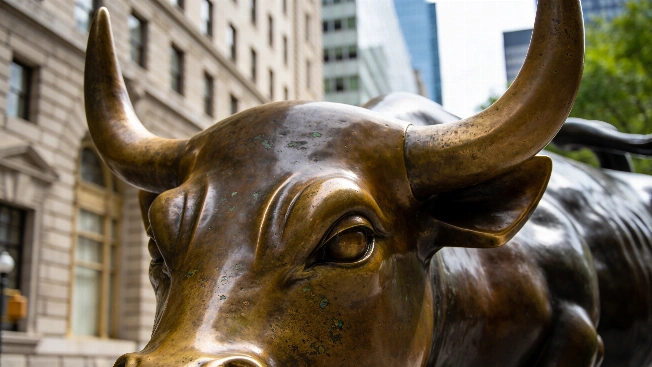
Is September Destined to Be a Bad Month for the Stock Market?
September has a reputation for stock market declines, but recent years have delivered mixed results. With the S&P 500 near record highs, investors face a choice between staying invested or trying to sidestep potential volatility
Page 1 by 3