
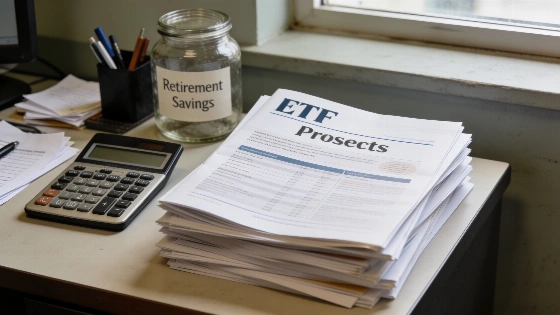
Dividend-paying ETFs can help retirees generate steady income and potential growth, offering a way to keep up with inflation while avoiding the pitfalls of relying solely on cash savings
Retirees face a persistent challenge: how to generate reliable income without exposing their savings to unnecessary risk or watching their purchasing power erode over time. While today's higher interest rates have made cash accounts more attractive, relying exclusively on cash can leave retirement portfolios vulnerable to inflation and limit long-term growth. Dividend-paying exchange-traded funds (ETFs) offer an alternative that combines regular income with the potential for capital appreciation, making them a compelling option for many retirement strategies.
Unlike cash or cash-like products such as money market funds and certificates of deposit, dividend-paying ETFs invest in a diversified basket of stocks that distribute dividends on a regular basis. These funds can help retirees keep pace with rising costs, as companies that consistently grow their dividends may provide a hedge against inflation. Qualified dividends also typically receive favorable tax treatment compared to ordinary income, which can further enhance after-tax returns for many investors.
Cash Yields and Inflation Risk
It's true that savings accounts, CDs, and short-term Treasuries now offer yields that haven't been seen in years. But over the long run, cash rarely outpaces inflation. According to the Bureau of Labor Statistics, the Consumer Price Index rose 3.4% year-over-year as of April 2024, while many high-yield savings accounts currently pay between 4% and 5% annual interest. Although this may seem sufficient, interest rates can fall, and inflation can spike unexpectedly, eroding the real value of cash holdings. Retirees who keep most of their assets in cash risk losing purchasing power, especially if interest income fails to keep up with rising expenses.
For those concerned about covering emergencies, maintaining a cash reserve is still essential. But beyond that, allocating too much to cash can create a false sense of security. The money may be accessible, but it isn't working as hard as it could be to support future spending needs.
How Dividend-Paying ETFs Work
Dividend-paying ETFs are designed to provide both income and growth by holding shares of companies that regularly distribute dividends. Funds like the Vanguard Dividend Appreciation ETF (VIG) focus on firms with a track record of increasing dividends, while others, such as the Invesco S&P 500 High Dividend Low Volatility ETF (SPHD), target stocks with higher yields and lower price swings. These ETFs typically hold hundreds of stocks across multiple sectors, reducing the impact of any single company's dividend cut and lowering the research burden for individual investors.
For retirees who prefer not to monitor dozens of individual stocks, a dividend ETF can simplify portfolio management. Reinvesting dividends-either automatically or manually-can further boost long-term returns, especially in the years leading up to and during early retirement. It's important to remember, though, that dividend-paying ETFs are still equity investments and can decline in value during market downturns. Having a cash buffer can help retirees avoid selling investments at depressed prices when withdrawals are needed.
For those interested in how much capital is required to generate meaningful income from dividend ETFs, this analysis of replacing a salary with ETF dividends provides a detailed breakdown of the numbers and trade-offs involved.
Balancing Liquidity and Growth
Determining the right mix of cash and dividend-paying ETFs depends on individual spending needs, risk tolerance, and market conditions. Many financial planners suggest keeping one to three years' worth of planned withdrawals in cash or cash-like accounts to cover emergencies and avoid forced sales during market downturns. For example, if a retiree expects to withdraw $2,000 per month, maintaining a cash reserve of $24,000 to $72,000 can provide a cushion while the rest of the portfolio remains invested for growth and income.
It's also important to consider the tax implications of dividend income. While qualified dividends are taxed at lower rates than ordinary income, not all dividends qualify, and tax rules can change. Reviewing the underlying holdings and distribution policies of any ETF before investing can help retirees avoid surprises at tax time.
According to Morningstar, as of May 2024, the average yield for U.S. equity dividend ETFs ranged from 2% to 4%, depending on the fund's strategy and sector exposure. Expense ratios for these funds are typically low, often under 0.10% for major providers like Vanguard and Schwab, but investors should always check fees and compare options before making a decision.
Dividend-paying ETFs are not a one-size-fits-all solution, but they can play a valuable role in a diversified retirement portfolio. By combining the stability of cash reserves with the income and growth potential of dividend-focused funds, retirees can better manage inflation risk and support their long-term financial goals. Understanding the trade-offs between liquidity, yield, and market risk is essential for building a sustainable withdrawal strategy that adapts to changing economic conditions and personal needs.