
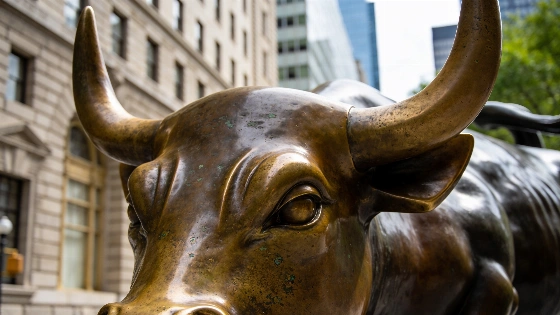
September has a reputation for stock market declines, but recent years have delivered mixed results. With the S&P 500 near record highs, investors face a choice between staying invested or trying to sidestep potential volatility
September is often viewed with suspicion by investors, thanks to its long-standing reputation as the worst month for U.S. stocks. While historical data shows that equities have underperformed in September more often than not, recent years have produced a more complicated picture. With the S&P 500 trading near all-time highs, many investors are questioning whether to adjust their portfolios ahead of the month's arrival or stick with a long-term approach.
Market history suggests caution, but the evidence is far from conclusive. The challenge for investors is separating meaningful patterns from statistical noise-and deciding whether to act on them.
September's Track Record in Perspective
Over the past century, stocks in the Dow Jones Industrial Average have risen in September only about 43% of the time, compared to roughly 60% in other months. Yet the pattern is not absolute. In September 2023, the S&P 500 fell nearly 5%, but the previous two years saw gains of 3.5% and 2%, respectively. The sharpest recent drop came in 2022, when the index lost more than 9% during a broader market downturn. These swings highlight that while September has a weak average, individual years can diverge sharply from the norm.
According to S&P Dow Jones Indices, the average September return for the S&P 500 since 1928 is negative, but the month has also produced some of the market's strongest rallies. The context-such as prevailing valuations, economic data, and investor sentiment-often matters more than the calendar itself.
Risks of Market Timing
Trying to sidestep September's potential volatility by selling stocks ahead of time is a tempting idea, but it comes with significant risks. Market timing strategies often lead investors to miss out on rebounds or positive surprises, especially when markets are strong. The cost of being out of the market during a rally can outweigh the benefit of avoiding a short-term decline.
For example, missing just a handful of the best trading days in a year can dramatically reduce long-term returns. According to research from J.P. Morgan Asset Management, investors who missed the 10 best days in the S&P 500 over a 20-year period saw their returns cut by more than half compared to those who stayed fully invested. This underscores the difficulty of consistently predicting short-term moves, even in months with a negative historical bias.
Some investors respond to seasonal risk by shifting toward value stocks or dividend-paying companies, which may offer more stability during periods of volatility. Others simply maintain their allocations and focus on long-term goals, accepting that short-term declines are part of the investing process. As recent coverage of market pullback strategies shows, building cash reserves or rebalancing portfolios can be prudent, but wholesale exits based on the calendar rarely pay off.
Current Market Conditions and Investor Choices
With the S&P 500 near record levels and valuations for many large-cap stocks stretched, some analysts argue that a pullback is overdue. Yet strong corporate earnings, resilient consumer spending, and optimism around technology and AI have kept investor sentiment buoyant. The Federal Reserve's interest rate policy and inflation trends remain key variables that could influence market direction in the coming months.
As of July 2026, the S&P 500 has gained approximately 14% year-to-date, following a double-digit advance in 2025. The index's forward price-to-earnings ratio is above its 10-year average, reflecting high expectations for future growth. While these conditions can increase the risk of a correction, they do not guarantee that September will bring losses.
For investors concerned about short-term volatility, options include diversifying across asset classes, increasing exposure to defensive sectors, or using dollar-cost averaging to smooth out entry points. Those with a long time horizon may find that staying invested through seasonal swings is more effective than trying to anticipate every downturn.
Seasonal trends like September's weak average return are a reminder that markets are influenced by a complex mix of factors, including investor psychology, economic data, and global events. While it's natural to look for patterns, relying too heavily on the calendar can lead to missed opportunities or unnecessary risk. Understanding the difference between historical averages and actual probabilities is essential for making informed investment decisions. Investors should weigh their own risk tolerance, time horizon, and financial goals before making changes to their portfolios based on seasonal patterns alone.