The iShares Core U.S. Aggregate Bond ETF now pays a 4.82% yield, but recent rate hikes and five years of negative returns show the risks for investors chasing income and stability.
Bond investors are feeling the pressure as interest rates keep rising. The iShares Core U.S. Aggregate Bond ETF (AGG) is right in the middle of this. The Federal Reserve raised rates again in September, and long-term Treasury yields have jumped. Bonds, once seen as a safe bet, now look a lot riskier. Investors who want steady income face a tough choice: the yields look good, but prices could drop further if rates keep going up.
AGG is a major bond ETF. Its 30-day SEC yield is now 4.82%. That stands out, especially since cash and short-term options are also paying more these days. But the last five years have been rough. AGG's average annual total return over that stretch is -0.28%. Over the long haul, since it started in 2003, the fund has returned 3.08% a year. Still, the recent swings have made investors rethink when and how to lock in yields.
The Federal Reserve raised its target federal funds rate by 25 basis points to 3.75%-4.00% in September 2026, marking its first increase since 2023.
What's inside the bond ETF
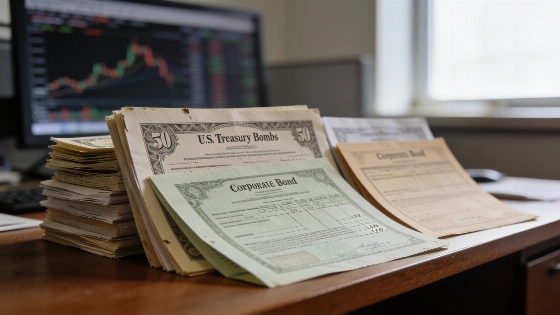
The iShares Core U.S. Aggregate Bond ETF owns more than 13,000 bonds. These include government, mortgage-backed, and corporate debt. U.S. Treasury bonds make up the biggest chunk at 46.6%. Mortgage-backed securities are 22.85%. Industrial bonds are 14.35%, and financial institution bonds are 8%. Utilities make up 2.5%.
This wide mix is meant to keep any one sector or issuer from having too much sway over results. The fund also spreads out maturities. About 19% of its bonds mature in 10 years or more. Another 41.5% mature in five years or less. This setup tries to balance the bigger swings of long-term bonds-which react more to rate changes-against the steadier ride of short-term debt.
Interest rate risk and investor trade-offs
When rates go up, bond prices drop. That's the basic risk for anyone buying bonds or bond funds when rates are rising. The last few years have made this clear. Since 2022, the Fed has tightened policy to fight inflation, and government debt has grown. Yields on long-term Treasuries have shot up. That's pushed down the value of existing bonds, including those in AGG.
The official Fed decision took effect on September 17, 2026, with the interest rate on reserve balances raised to 3.90% and the primary credit rate to 4.0%. The Fed also continued open market operations to maintain the new range and confirmed overnight repo and reverse repo parameters, reinforcing a tighter monetary environment.
Investors now have to guess: will rates stay high, go even higher, or start to fall? If you think rates will level off or drop, locking in today's yields could pay off. But if rates keep rising, even a broad fund like AGG could lose more value. No one can say for sure which bonds-government or corporate, short-term or long-term-will do best next. Diversification helps, but it doesn't erase risk.
Comparing diversification approaches
Owning a single bond means you risk the issuer defaulting or having to sell at a loss before it matures. Bond funds like AGG give you instant diversification, holding thousands of bonds across sectors and maturities. This can soften the blow if one bond does badly, but it also means you ride the ups and downs of the whole market.
Some investors try to time the market, moving between short- and long-term bonds or between government and corporate debt. Others just hold a fund like AGG as a core part of their portfolio. As reported earlier, broad ETFs make diversification easier, but they can't promise gains in every market.
Understanding duration and yield
Duration shows how much a bond or bond fund's price will move when rates change. Longer-duration bonds drop more when rates rise, but can gain more if rates fall. AGG's mix of maturities means it has moderate duration risk. It could benefit if rates drop, but it's exposed if rates keep rising. The fund's yield tells you the income you might get over the next year, but it doesn't show how the price could change.
If you're looking at AGG or similar funds, remember: yield and total return aren't the same. Yield is just the income. Total return includes both income and price changes. In a rising-rate world, high yields can be wiped out by falling prices, leading to negative total returns even as income goes up. You should also look at fees, taxes, and how bond funds fit with your overall portfolio and risk comfort.
Bonds are often used for income and some stability compared to stocks. But their value depends on rates, inflation, and credit risk. Diversified bond funds like AGG can spread out risk, but can't remove it. Knowing how duration, yield, and price work together is key for anyone thinking about bonds right now.
A J.P. Morgan Asset Management review said the September 2026 Fed meeting was a unanimous call to raise rates, marking a more hawkish turn after a steady stretch earlier in the year. On the day of the Fed's move, the 10-year U.S. Treasury yield finished just above 5%. That put more pressure on long-term bonds and broad bond funds, as noted in a September 2026 monetary policy update.