
With the S&P 500 reaching new highs and doubling since early 2023, investors face tough choices as market risks mount and safer alternatives become more appealing for those nearing retirement or needing cash soon
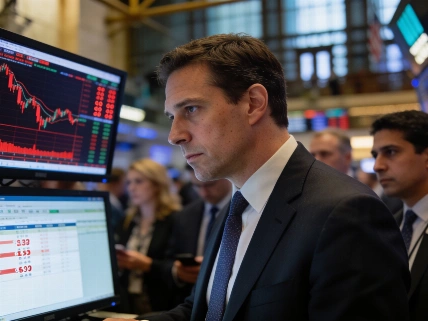
The S&P 500's relentless climb has rewarded long-term investors, but its rapid ascent since early 2023 is raising questions about whether the market is due for a pause-or even a pullback. As the index sets fresh records, some investors are weighing whether to stay the course or shift funds to less volatile options, especially with inflation, interest rates, and global tensions threatening to disrupt the rally.
While index funds tracking the S&P 500 have historically delivered strong long-term returns, the pace of recent gains stands out. The index has roughly doubled in value since the start of 2023, far outpacing its average historical growth rate. This surge has been fueled in part by a handful of large technology and growth stocks, making the index more concentrated and potentially more vulnerable to sector-specific shocks.
Short-Term Risks and Market Drivers
Investors considering whether to reduce exposure to S&P 500 index funds should weigh several near-term risks. Persistent inflation could prompt the Federal Reserve to keep interest rates higher for longer, which tends to pressure stock valuations. Geopolitical events, such as conflicts or trade disruptions, can also trigger sudden market swings. Even a modest shift in investor sentiment could lead to sharper volatility, especially given the market's current valuation levels.
According to S&P Dow Jones Indices, the S&P 500's average annual total return over the past 50 years has been about 10%, including dividends. However, the index's performance is rarely smooth-periods of rapid gains are often followed by corrections or extended flat stretches. For example, after the S&P 500's strong run in 2023 and 2024, some analysts warn that returns may moderate or even reverse if economic conditions deteriorate or if earnings growth fails to keep pace with expectations.
Time Horizon and Withdrawal Needs
For investors with a long time horizon, staying invested in the S&P 500 remains a reasonable strategy, as short-term downturns have historically been offset by long-term growth. But for those approaching retirement or planning to withdraw funds in the next few years, the calculus changes. A sharp market drop could force retirees to sell assets at a loss, permanently reducing their nest egg. That's why many financial planners recommend gradually shifting a portion of equity holdings into more stable investments-such as short-term bonds, money market funds, or certificates of deposit-as retirement nears.
Households with near-term spending needs or low risk tolerance may also want to reduce exposure to sectors that have driven much of the S&P 500's recent gains, particularly technology and other growth stocks. Diversifying into value-oriented funds or dividend-focused ETFs can help smooth returns and reduce the impact of a market correction. As explored in a recent analysis of defensive fund options, some dividend ETFs have historically experienced smaller losses during market downturns, though they may lag during bull markets.
Alternatives to S&P 500 Index Funds
Investors seeking to rebalance away from the S&P 500 have a range of alternatives. Value stock ETFs, which focus on companies trading at lower valuations relative to earnings or assets, may offer more downside protection if growth stocks falter. Dividend ETFs can provide a steady income stream and tend to be less volatile than the broader market. For those prioritizing capital preservation, short-term Treasury funds or high-yield savings accounts offer safety and liquidity, though with lower return potential.
According to Morningstar, the average expense ratio for S&P 500 index funds is now below 0.10%, making them among the lowest-cost investment vehicles available. However, investors should also consider the risk of buying at elevated valuations. The S&P 500's price-to-earnings ratio remains above its long-term average, which could limit future returns if earnings growth slows or interest rates rise further.
Index funds are designed to track the market, not beat it. Their simplicity and low fees make them attractive for many investors, but they are not immune to market cycles. Understanding the trade-offs between risk, return, and liquidity is essential when deciding whether to adjust your portfolio. For those with a long investment horizon and the ability to ride out volatility, staying invested in the S&P 500 may still make sense. But for investors with shorter time frames or lower risk tolerance, diversifying into value stocks, dividend funds, or safer cash alternatives can help manage downside risk without abandoning growth potential entirely.