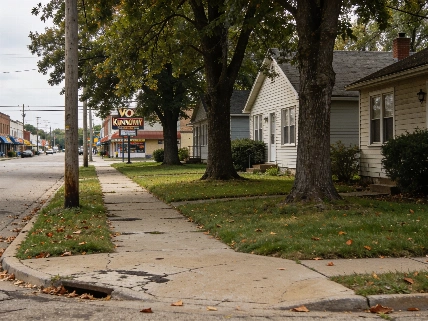

Retirees seeking vibrant dining scenes and strong community amenities may find value in cities where restaurant density, walkability, and local culture align with practical retirement needs
For many Americans, retirement is not just about leaving the workforce-it's an opportunity to prioritize lifestyle choices that may have taken a back seat during working years. Dining out, exploring new cuisines, and connecting with local communities are increasingly important factors for retirees choosing where to live. According to Investopedia, restaurant spending remains the leading category for discretionary expenses among U.S. households, highlighting the role of food culture in daily life and social engagement.
Recent research into the best places to retire has begun to factor in not only traditional metrics like cost of living and healthcare access, but also the quality and accessibility of local dining. Cities with high restaurant density, diverse culinary offerings, and walkable neighborhoods are emerging as attractive destinations for retirees who want more than just sunshine and low taxes.
Urban Centers with Culinary Depth
Chicago stands out as a top-tier food city with more than 13 sit-down restaurants per square mile and a track record of over 175 James Beard Award recognitions in the past decade. Its neighborhoods, such as Lincoln Park and the West Loop, offer retirees access to a wide range of cuisines and dining experiences, from classic steakhouses to innovative global fare. The city's robust public spaces, historic architecture, and sports culture add to its appeal, though the cost of living and state tax structure may require careful budgeting for those on fixed incomes.
Philadelphia offers a similarly dense and walkable dining scene, with more than a dozen sit-down restaurants per square mile and a strong tradition of BYOB establishments that can help retirees manage meal costs. The city's historic neighborhoods, including Old City and Rittenhouse Square, blend culinary variety with cultural attractions like the Philadelphia Museum of Art and the Franklin Institute. Pennsylvania's tax treatment of retirement income, which exempts Social Security and most retirement account withdrawals, can be a financial advantage for many retirees.
Houston's sprawling geography means retirees may need to drive to reach its acclaimed restaurants, but the city's diversity is reflected in its food scene, with more than 80 James Beard recognitions and standout cuisines ranging from Tex-Mex to Viet-Cajun. Houston's lower-than-average cost of living and no state income tax can help offset transportation costs, while its museum and arts districts provide additional lifestyle benefits.
Regional Flavors and Lifestyle Trade-Offs
Miami leads the nation in full-service restaurant density, with nearly 25 per square mile, and offers a dining culture rooted in Latin-Caribbean flavors and fresh seafood. Neighborhoods like Coconut Grove and Little Havana provide retirees with a range of culinary experiences, though Miami's higher cost of living may require trade-offs in housing or other expenses. Florida's lack of a state individual income tax remains a draw for many retirees, especially those with significant retirement account withdrawals.
Nashville's reputation for hot chicken and barbecue is complemented by a growing farm-to-table movement and a nationally recognized restaurant scene. With more than 11 full-service restaurants per 10,000 residents, retirees can find walkable dining districts in areas like Germantown and East Nashville. Tennessee's tax structure, which does not tax earned income, can benefit retirees, though property taxes and healthcare costs should be considered.
Pittsburgh offers a compact, affordable alternative to larger cities, with nearly 14 full-service restaurants per 10,000 residents and a food scene shaped by its immigrant communities. The city's relatively low housing costs and Pennsylvania's retiree-friendly tax policies make it a practical choice for those seeking both culinary variety and financial stability.
Smaller Cities with Growing Appeal
Roanoke, Virginia, demonstrates how smaller metro areas can deliver high-quality dining in a scenic, affordable setting. The city's Historic City Market and downtown districts feature farm-to-table restaurants, craft breweries, and mountain views, appealing to retirees who value both food and outdoor recreation. With about nine full-service restaurants per 10,000 residents, Roanoke offers variety without the congestion of larger cities.
Des Moines, Iowa, has emerged as a Midwest farm-to-table hub, with more than 10 James Beard recognitions and affordable dining options. The city's Historic East Village and Downtown Farmers' Market corridor provide retirees with access to fresh, locally sourced ingredients and a strong arts and culture scene. Des Moines' cost of living remains below the national average, making it an accessible option for retirees on a budget.
Sarasota, Florida, combines nearly 30 full-service restaurants per 10,000 residents with a relaxed Gulf Coast lifestyle. Popular dining districts like St. Armands Circle and Downtown Main Street offer retirees a range of culinary choices within a compact area. Sarasota's retiree-friendly tax structure, direct Gulf access, and quality healthcare options further enhance its appeal, though housing costs can be higher than in other Florida cities.
Financial Considerations for Food-Focused Retirees
According to the Bureau of Labor Statistics, Americans aged 65 and older spent an average of $3,500 per year on food away from home in 2024, a figure that has risen steadily with inflation and changing lifestyle preferences. Restaurant spending now accounts for a larger share of discretionary budgets among retirees, making the cost and accessibility of dining a practical concern when choosing a retirement destination. Cities with high restaurant density and walkable neighborhoods may help retirees manage transportation costs and maintain social connections, but higher housing or healthcare expenses can offset these benefits.
When evaluating retirement locations, it's important to weigh the trade-offs between lifestyle amenities and financial realities. While a vibrant food scene can enhance quality of life, retirees should consider how local taxes, housing costs, healthcare access, and transportation needs fit into their overall budget. Some states offer significant tax advantages for retirees, while others may have higher living costs that erode the value of retirement savings.
Restaurant density is only one factor in the broader equation of retirement planning. For many retirees, the ability to walk to restaurants, participate in community events, and access healthcare services without relying heavily on a car can be just as important as the number of dining options. Evaluating the total cost of living-including taxes, housing, insurance, and out-of-pocket medical expenses-can help retirees make informed decisions that balance lifestyle preferences with long-term financial security.