
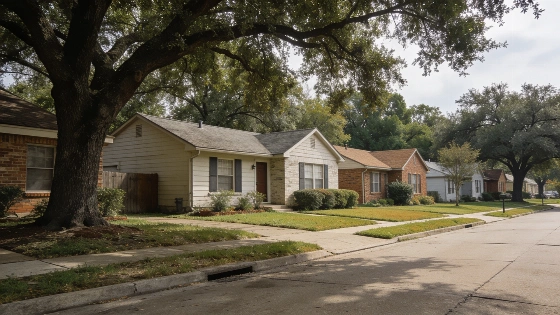
Houston's median home price of $263,563 and no state income tax on retirement income make it a standout for retirees seeking affordability, tax relief, and access to world-class healthcare in a major U.S. metro area
For retirees weighing where to settle, Houston, Texas, stands out for its combination of affordability, tax advantages, and access to top-tier healthcare. The city's housing market offers a rare value among major U.S. metros, with a median sale price of $263,563 as of August-about 20% below the national average for urban areas. Everyday expenses, including dining and services, also tend to be lower than in many other large cities, helping fixed incomes stretch further.
Texas's tax structure is a significant draw for retirees. The state does not levy income tax, which means Social Security benefits, pensions, IRAs, and 401(k) withdrawals are not subject to state taxation. In addition, Texas has no inheritance or estate tax, reducing the tax burden for those planning to leave assets to heirs. These policies can make a meaningful difference for retirees managing distributions and estate planning.
Cost of Living and Housing
Houston's housing affordability is a key factor in its appeal. According to data from Zillow, the city's median home price remains well below that of other major metropolitan areas, and the overall cost of living is consistently lower than the national urban average. This extends to utilities, groceries, and transportation, making Houston a practical choice for those on a fixed retirement budget. Programs like the Livable Places Housing Recommendations aim to further improve affordability and walkability in neighborhoods across the city.
For those considering renting, Houston's rental market also tends to be more accessible than in many coastal cities. The city's mix of urban, suburban, and hybrid neighborhoods allows retirees to choose a lifestyle that fits their preferences, whether that means walkable city living or quieter suburban communities.
Healthcare and Amenities
Access to quality healthcare is a top concern for many retirees, and Houston delivers with the Texas Medical Center-the world's largest medical complex. This hub includes the M.D. Anderson Cancer Center, consistently ranked among the nation's best for cancer care. The city's healthcare infrastructure supports a wide range of specialties and services, which can be especially important for those managing chronic conditions or seeking advanced treatment options.
Beyond healthcare, Houston offers a rich array of cultural and recreational amenities. The city is home to more than 11,000 restaurants, reflecting its diverse population, and was named the #6 best foodie city in the U.S. by Food & Wine in 2026. Outdoor enthusiasts benefit from 366 parks and over 125 miles of biking and hiking trails, with a climate that allows for year-round activity. Major attractions include Space Center Houston, 19 museums in the Historic District, and professional sports teams across several leagues.
Transportation and Lifestyle Choices
Houston's transportation infrastructure supports both local and long-distance travel. The city is served by George Bush Intercontinental Airport, William P. Hobby Airport, and Ellington Field, providing convenient options for domestic and international flights. Within the city, public transit and ongoing urban development projects aim to improve mobility and accessibility for residents of all ages.
Retirees can choose from a variety of neighborhoods, each offering different blends of urban energy and suburban calm. Community programs and city initiatives continue to focus on enhancing walkability, safety, and access to services, which can be especially valuable for older adults seeking to maintain independence.
According to the U.S. Census Bureau, Texas's population of adults aged 65 and older has grown steadily over the past decade, reflecting broader national trends as baby boomers retire. Houston's ability to combine affordability, tax relief, healthcare access, and lifestyle variety positions it as a leading destination for retirees seeking both value and quality of life.
When evaluating retirement destinations, it's important to consider not just headline costs but also the structure of local taxes, healthcare access, and the availability of amenities that support an active lifestyle. State tax policy can have a significant impact on retirement income, especially for those drawing from multiple sources. Retirees should also weigh the trade-offs between homeownership and renting, as well as the potential for property tax increases or changes in local services. Consulting with a financial or tax professional can help clarify how these factors interact with individual retirement goals and resources.