Retirees seeking affordable living and strong community ties are increasingly drawn to U.S. cities with vibrant farmers markets, where access to fresh produce, local agriculture, and tax-friendly policies can directly impact retirement budgets
For retirees who value fresh food, community engagement, and a manageable cost of living, the presence of a robust farmers market can be more than a lifestyle perk-it can shape daily routines and financial decisions. Across the U.S., several cities stand out for their thriving local food scenes, retiree-friendly amenities, and access to both urban and outdoor activities. These destinations combine strong agricultural roots with practical advantages, making them attractive options for those planning their next chapter.
According to Investopedia's analysis of the 100 Best Places to Retire, cities with standout farmers markets often offer a blend of affordability, healthcare access, and cultural opportunities. The following locations illustrate how local food infrastructure and retirement planning can intersect, with each city offering unique benefits for those seeking both connection and value.
Urban Centers with Market Access
Spokane, Washington, features a seasonal farmers market near downtown that showcases the region's orchards, vegetables, and flowers. With over 2,300 farms in Spokane County and 10% selling directly to consumers, retirees can integrate local produce into their routines while enjoying the area's parks, lakes, and cultural venues. Washington's lack of a state income tax and exemption of retirement accounts from the capital gains tax further enhance its appeal for those on fixed incomes.
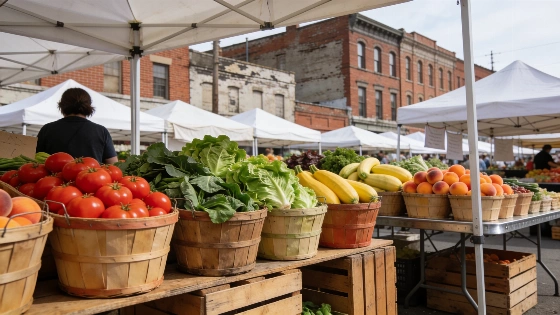
Des Moines, Iowa, is home to one of the nation's largest farmers markets, with more than 300 vendors and a strong representation of the region's agricultural output. Polk County's 760-plus farms generate $161 million in annual sales, and 11% sell directly to consumers. The city's affordable cost of living, extensive trail network, and active arts scene make it a practical choice for retirees. For those comparing options in the Midwest, Iowa City also offers a compelling mix of affordability and cultural amenities.
Knoxville, Tennessee, offers a nearly year-round, producer-only market where all goods must originate within 150 miles. The city's 850 farms, strong greenhouse sector, and 9% direct-to-consumer sales rate support a vibrant local food economy. Knoxville's location on the Tennessee River and proximity to the Smoky Mountains provide ample outdoor recreation, while Tennessee's absence of a state income tax can help stretch retirement savings.
Mid-Size Cities with Local Food Strength
Roanoke, Virginia, hosts one of the oldest continuously operating farmers markets in the country, dating back to 1882. The Historic Roanoke City Market operates year-round with over 30 vendors, reflecting the Blue Ridge region's agricultural diversity. With 250 farms in the county and 9% selling directly to consumers, retirees can access fresh produce while benefiting from a lower cost of living and proximity to hiking, biking, and cultural attractions.
Appleton, Wisconsin, features a downtown market with more than 130 vendors from June to October. Outagamie County's 1,000 farms generate $382 million in agricultural sales, with two-thirds from livestock and dairy. The city's walkable downtown, riverfront parks, and robust arts scene add to its appeal, while Wisconsin's exemption of Social Security income from state tax can be a financial advantage for retirees.
Sarasota, Florida, offers a large, year-round farmers market with over 80 vendors, supported by a county agricultural sector that includes 286 farms and a high rate of direct-to-consumer sales. Sarasota's access to Gulf beaches, healthcare facilities, and a tax environment with no state income tax-including on Social Security and retirement accounts-make it a popular destination for those seeking both lifestyle and financial benefits.
Small Communities with Farm-Fresh Appeal
Easton, Pennsylvania, is home to the country's oldest continuously operating open-air market, established in 1752. With more than 50 vendors and a winter market, Easton's downtown offers access to vegetables, fruits, and nursery products from the region's 420 farms-22% of which sell directly to consumers. The city's historical significance, waterfront parks, and absence of state tax on most retirement income and clothing purchases can help retirees manage expenses.
Lewes, Delaware, though small in population, benefits from its location in Sussex County, where over 1,000 farms generate $1.4 billion in annual agricultural sales. The Historic Lewes Farmers Market, operating from May to December, connects residents to local poultry and produce. Delaware's lack of sales, personal property, inheritance, and estate taxes further supports retirees looking to preserve their savings while enjoying coastal amenities and outdoor activities.
Financial Impact of Local Food Access
For retirees, the financial implications of living near a strong farmers market go beyond food quality. Direct-to-consumer sales can lower grocery bills, support local economies, and foster social connections that contribute to well-being. In many of these cities, state tax policies-such as exemptions for Social Security or retirement income-can further stretch fixed budgets. According to the U.S. Department of Agriculture, direct farm sales to consumers in the U.S. totaled $2.9 billion in 2022, with the highest rates of participation in the Northeast and West. These figures highlight the growing role of local food systems in both community health and personal finance.
Understanding the trade-offs between cost of living, tax policy, and access to local food is essential for retirees evaluating where to settle. While a vibrant farmers market can enhance quality of life, it is also important to consider broader factors such as healthcare access, housing affordability, and transportation. Tax rules affecting retirement income vary widely by state, and even small differences in exemptions or deductions can have a significant impact over time. For those planning a move, comparing these variables alongside lifestyle preferences can help ensure that retirement dollars go further while supporting a healthy, connected community experience.