Retirees considering Iowa City can benefit from a cost of living 6% below the U.S. average, affordable healthcare, and tax breaks on Social Security and retirement income, all while enjoying a vibrant arts and cultural scene
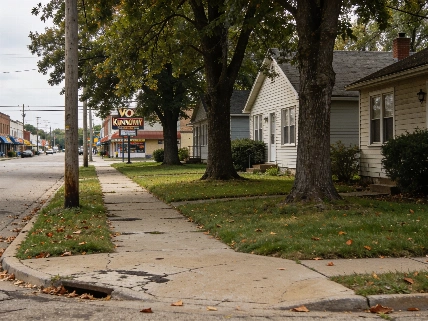
For retirees seeking a balance between affordability, healthcare access, and cultural engagement, Iowa City stands out as a compelling option. The city's reputation as a dynamic college town is anchored by the University of Iowa, which brings a steady flow of educational, artistic, and community events. This environment attracts residents who value lifelong learning and active living, while the city's walkable downtown and robust public amenities make daily life accessible and engaging for older adults.
According to Investopedia, Iowa City ranks among the top retirement destinations in the Midwest, thanks in part to its blend of intellectual energy and practical advantages. The city's designation as a UNESCO "City of Literature" underscores its deep literary roots and ongoing commitment to the arts, with frequent festivals, lectures, and performances woven into the local calendar.
Cost of Living and Housing Choices
Iowa City's cost of living is a key draw for retirees on fixed incomes. The average home value in the city is $305,697, which is notably below the national average of $372,995, based on Zillow data as of early 2024. Overall, the cost of living is about 6% lower than the U.S. average and 37% lower than the Iowa state average, according to reporting by Investopedia. Essential expenses such as utilities, groceries, transportation, and healthcare all trend below national benchmarks, helping retirees stretch their savings further.
Housing options are diverse, ranging from downtown condominiums and established neighborhoods to newer developments on the city's outskirts. This variety allows retirees to select homes that fit their budget and lifestyle preferences. For those concerned about taxes, Iowa offers additional relief: Social Security benefits are not taxed at the state level, and residents age 55 or older can exclude certain retirement income, including distributions from pensions, 401(k)s, and IRAs, from state taxable income if they meet eligibility requirements.
Healthcare Access and Affordability
Healthcare is a major consideration for retirees, and Iowa City delivers both quality and affordability. The University of Iowa Health Care system operates a leading academic medical center, nationally ranked in several adult and pediatric specialties by U.S. News & World Report. Numerous outpatient clinics and specialty providers are located throughout the area, making it easy for residents to access routine and advanced care without leaving the community. Veterans have additional options through the Iowa City VA Clinic.
Healthcare costs in Iowa City are also relatively low. According to Investopedia, the average cost of healthcare in the city is 29.3% below the national average, which can make a significant difference for retirees managing ongoing medical expenses. This combination of high-quality care and lower costs is a rare advantage among U.S. retirement destinations.
Cultural Life, Recreation, and Transportation
The University of Iowa's presence shapes much of Iowa City's cultural landscape. Hancher Auditorium regularly hosts touring Broadway shows, concerts, and dance performances, while museums, galleries, and public lectures are frequent fixtures. Annual events such as the Iowa Arts Festival and Mission Creek Festival, along with the downtown farmers market, foster a strong sense of community and provide year-round opportunities for engagement.
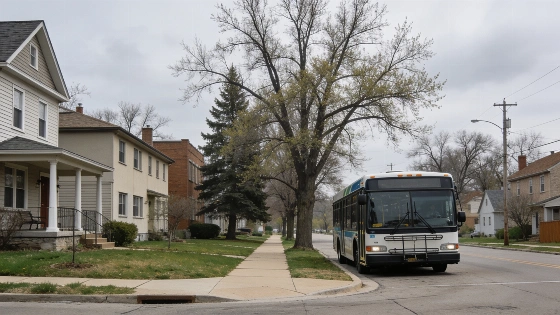
For retirees who value walkability and recreation, downtown Iowa City is compact and easy to navigate on foot. The city's fare-free transit system connects neighborhoods, shopping areas, and medical facilities, reducing transportation costs and supporting independent living. For those with mobility challenges, ADA-compliant paratransit services are available. Outdoor enthusiasts can take advantage of an extensive trail network linking parks and recreation areas, including City Park, Terry Trueblood Recreation Area, and nearby Coralville Lake, which offer walking, cycling, kayaking, and birdwatching throughout the year.
Climate is another factor to consider. Iowa City experiences four distinct seasons, with comfortable spring and summer weather for outdoor activities, vibrant fall foliage, and cold, snowy winters. Average temperatures range from 15°F in winter to 85°F in summer, so retirees should plan for seasonal changes and occasional winter storms.
According to the U.S. Census Bureau's 2022 American Community Survey, Iowa City's population skews younger due to its university presence, but nearly 12% of residents are age 65 or older. This demographic mix supports a range of services and amenities for older adults, while the city's ongoing investment in public infrastructure and cultural programming continues to attract retirees from across the region.
Understanding Retirement Tax Benefits
State tax policy can have a significant impact on retirement income. In Iowa, Social Security benefits are exempt from state income tax, and qualifying residents age 55 or older can exclude up to $6,000 of retirement income per person ($12,000 for married couples filing jointly) from state taxes. This includes distributions from IRAs, 401(k)s, and pensions, subject to eligibility rules. These tax breaks can help retirees preserve more of their income compared to states that fully tax retirement benefits.
When evaluating retirement destinations, it's important to consider not just the headline cost of living, but also the interplay of housing costs, healthcare access, transportation, and state tax policy. While Iowa City offers a strong combination of these factors, the right choice will depend on each retiree's financial situation, health needs, and lifestyle preferences. Understanding how state and local policies affect after-tax income, especially for those relying on Social Security and retirement accounts, is a critical part of long-term planning.