
Data Stories
44 articlesThe strongest articles will unpack consumer finance trends, trend interpretation and market context and bring in policy implications, household impact and economic drivers only where they clarify costs, eligibility, reporting duties, account access or investment exposure.

More Americans own stocks, but most market wealth stays at the top
Fifty-eight percent of U.S. adults now own stocks, often through index funds like the Vanguard S&P 500 ETF. But the richest Americans still hold most of the market, leaving everyday investors with new choices and risks.

Net Worth for Americans in Their 30s Tripled After Historic Crash
Americans in their 30s saw their net worth more than triple from 2010 to 2022, but higher balances have not translated into easier day-to-day finances as housing and living costs continue to climb

Tesla Data Reveals Autopilot Was Active in Texas Fatal Crash
Tesla confirmed to federal regulators that its driver-assist system was engaged during a deadly Model 3 crash in Texas, raising new questions about transparency and the public's access to critical safety data

Majors With the Highest Median Student Debt
Some college majors saddle graduates with median student loan balances far above the national average, with curriculum and instruction majors borrowing over $20,000 more than typical bachelor's degree holders

AI Investment Drives a New Credit Divide for U.S. Companies
A surge in artificial intelligence spending is splitting corporate borrowers into clear winners and losers, with ripple effects that could impact hiring, wages, and consumer access to products and services

How Much Gen X May Need Saved for Retirement
Roughly 40% of Gen X households have no retirement savings, and those with accounts often fall short of industry benchmarks, raising questions about how this generation will fund retirement as pensions disappear

The S&P 500: Performance and Wall Street Expectations for 2026
Wall Street projects a 17% gain for the S&P 500 over the next year, fueled by robust earnings forecasts and AI infrastructure investment, but seasonal volatility and sector concentration could test investor confidence

Music Critic Dave Marsh's Legacy and Financial Impact on Rock
Dave Marsh, influential music critic and author of bestselling Springsteen biographies, has died at 76, leaving a lasting mark on the business of rock and the economics of music publishing
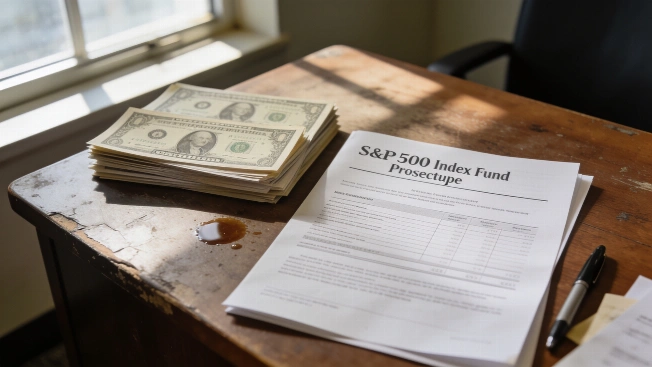
What Happens When You Buy the Dip in the Stock Market?
Investors who consistently put money into the S&P 500 during major downturns have historically seen significant long-term gains, but the strategy requires discipline, patience, and a clear understanding of market cycles

Farmers Markets and Retirement: Top U.S. Cities with Strong Local Food Scenes
Retirees seeking affordable living and strong community ties are increasingly drawn to U.S. cities with vibrant farmers markets, where access to fresh produce, local agriculture, and tax-friendly policies can directly impact retirement budgets

Nvidia's Stock Now Signals More Than Just Tech Momentum
Nvidia's market performance is now seen as a real-time indicator of corporate AI spending and broader economic risk appetite, as investors weigh rising rates and oil prices against the ongoing data center boom

Low-Income Spending Growth Narrows Gap With Wealthier Households
Recent data shows lower-income Americans are increasing spending at a pace nearly matching higher earners, even as overall consumer spending growth slows and inflation pressures persist
Inflation Is Expected to Reaccelerate After a Soft June
Inflation is forecast to pick up again in July and August, with the Federal Reserve Bank of Cleveland projecting higher monthly and annual rates. This could influence the Federal Open Market Committee's next interest rate decision

Where Your Dollar Goes Furthest: Comparing Cost of Living Across U.S. States
Oklahoma delivers the highest purchasing power for residents, with a cost of living index 15% below the U.S. average, while Hawaii's housing costs are nearly four times higher-reshaping where Americans can afford to live and save

Severe Thunderstorm Watch Raises Financial Risks for DMV Residents
A severe thunderstorm watch threatens the DMV with damaging winds, hail, and power outages, putting property, insurance claims, and local businesses at risk as storms intensify into the evening

GAO Audit Reveals DOGE Overstated Federal Savings by Billions
A new GAO report finds Elon Musk's Department of Government Efficiency exaggerated claims of $110 billion in federal savings, raising questions about transparency and the real impact on government spending

How Much Do You Need to Retire?
Average 401(k) balances for Americans in their 60s fall well below what many believe is needed for a comfortable retirement, raising questions about savings strategies, spending expectations, and the role of Social Security

Most Roth IRA Savers Miss Annual Contribution Cap, IRS Data Shows
IRS data reveals that over 70% of Roth IRA contributors did not reach the 2023 annual limit, with average contributions peaking at $4,504 for those ages 60-64. Learn why many fall short and how habits and income affect retirement savings

How Buffett's S&P 500 Fund Pick Turned $10,000 Into $40,000
Investors who followed Warren Buffett's advice to buy and hold a low-cost S&P 500 index fund have seen their money quadruple over the past decade, but new data shows most active managers failed to keep up

Till debt do us part: 78% of Americans say a partner with debt is a dating dealbreaker
A new survey finds that 78% of Americans consider a partner's short-term debt a dealbreaker for dating, with nearly half unwilling to accept $25,000 or more and most expecting open conversations about debt within six months

VanEck Semiconductor ETF: A Decade of Exceptional Returns
The VanEck Semiconductor ETF has delivered a 1,930% total return over the past 10 years, far outpacing the S&P 500 and Nasdaq-100, but its concentrated sector exposure has also brought sharp volatility and multiple deep drawdowns

Average Net Worth of Baby Boomers
Baby boomers hold over half of U.S. household wealth, but the typical boomer's net worth is far below the average, with most assets locked in home equity and retirement accounts rather than accessible cash

When 401(k) Balances Peak: How Retirement Savings Change From Your 20s to 80
Median 401(k) balances more than double each decade from your 20s to 50s, but typically decline in your 60s and 70s as withdrawals and rollovers begin-reflecting the shift from saving to spending in retirement

Why Your Retirement Contribution Rate Matters More Than Most People Realize
Many Americans contribute less than 10% of their income to retirement plans, but even a 1% increase early in your career can add tens of thousands of dollars to your nest egg by retirement

AI Job Loss Fears Clash With Labor Data as Anthropic Revises Outlook
Anthropic's head of economics finds no broad AI-driven job losses in U.S. labor data, challenging dire forecasts even as hiring slows for young workers in tech-exposed roles

Small Cities Offer Affordable and Balanced Retirement Options
Retirees seeking lower housing costs and manageable daily expenses are increasingly looking to small U.S. cities, where home prices and taxes can be significantly below national averages but trade-offs in transportation and specialized healthcare remain

Severe Storms and Tornado Warnings Raise Financial Risks in Wisconsin
Extreme weather in southeast Wisconsin is triggering tornado and flood warnings, forcing residents and businesses to make urgent decisions about property protection, insurance coverage, and potential financial losses as conditions rapidly change

Powerball Jackpot Hits $600 Million as Odds and Risks Mount
The Powerball jackpot has surged to $600 million for the July 25 drawing, with a $262.8 million cash option. As ticket sales climb, players face steep odds and state-by-state deadlines that could affect last-minute buyers

Mega Millions Jackpot Hits $743M as Winning Numbers Drawn for July 24
The Mega Millions jackpot has surged to $743 million, ranking as the 10th-largest in the game's history. With no grand prize winner on Tuesday, the stakes for Friday's drawing and the potential payout options are drawing national attention

How Taylor Swift and Travis Kelce Spent on Their Private Wedding Event
Taylor Swift and Travis Kelce's wedding at Madison Square Garden featured a high-cost, guest-focused reception and lengthy personalized vows, highlighting the financial scale and planning behind celebrity nuptials in the U.S.

How Much Gen X Has Saved for Retirement-And Why the Numbers Are Troubling
Roughly 40% of Gen X households have no retirement savings, and those with accounts often fall far short of recommended targets, raising concerns as this group nears retirement age

How Much Millennials Have Saved So Far for Retirement
Vanguard data shows the typical millennial has less than $50,000 saved for retirement, but consistent contributions and compounding could still put a $1 million nest egg within reach for many-if they start early and increase savings rates

What Americans Are Actually Worth By Income Tier
Net worth in the U.S. varies sharply by income tier, with the top 10% holding over two-thirds of household wealth while many middle-income families rely on home equity and struggle to cover emergencies

9 Top Places to Retire in the Western U.S.
Retirees seeking affordable living, tax advantages, and access to outdoor recreation are increasingly considering smaller Western cities like Casper, Evanston, and Pomeroy, where home prices can be over $50,000 below the national average

How Many Americans Work Beyond Age 65?
Nearly one in five Americans age 65 and older are still in the workforce, with many shifting to part-time jobs. This trend is reshaping retirement planning and highlights the need for flexible income strategies as financial pressures evolve

How Americans' Bank Balances Stack Up by Age and Household Type
Federal Reserve data shows the typical U.S. household holds $8,000 in bank accounts, but balances differ sharply by age, relationship status, and education-raising questions about financial security and savings strategies
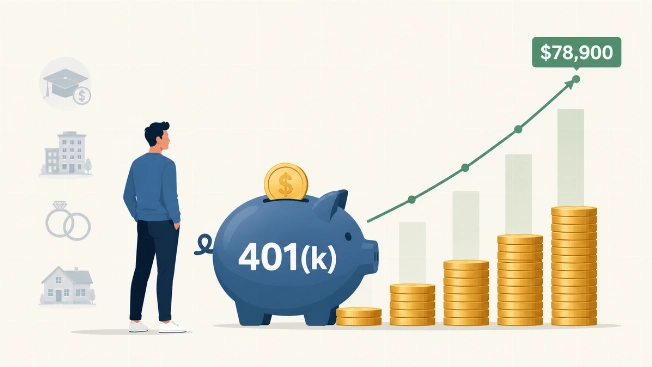
Median 401(k) Balances for Workers in Their 30s: What to Know
The typical 401(k) balance for Americans in their 30s is now $78,900, but competing financial demands and access to retirement plans can make saving a challenge for many in this age group

Where Retirees Find the Best Healthcare Access and Quality in 2026
Retirees face major differences in healthcare access and quality depending on where they live, even with standardized Medicare coverage. See which U.S. cities offer the strongest mix of hospital options and care ratings for older adults

How Much Households in Their 30s Really Spend Each Year
Households led by adults in their 30s now average $85,114 in annual spending, with housing and transportation accounting for nearly half of all expenses-reflecting a shift toward higher fixed costs and long-term financial obligations

How Income and Wealth Peak for Americans in Their Late 40s and Early 50s
Americans ages 45-54 report the highest median household income, but wide gaps persist by education and homeownership. See how your earnings and net worth compare-and why income alone doesn't tell the full story
Page 1 by 2