A surge in artificial intelligence spending is splitting corporate borrowers into clear winners and losers, with ripple effects that could impact hiring, wages, and consumer access to products and services
Artificial intelligence is no longer just a Wall Street story. While investors have watched companies like Nvidia and other tech giants rally on AI optimism, new research from Bank of America suggests the technology is creating a widening gap between companies that can harness AI for growth and those that risk being left behind.
According to a recent Bank of America report, U.S. firms in the leveraged finance market are increasingly divided into two camps: those benefiting from AI-driven growth and those facing disruption. The difference is stark. In the second quarter, high-yield borrowers identified as AI beneficiaries posted 16.2% year-over-year revenue growth and 15.2% growth in adjusted EBITDA. In contrast, companies exposed to AI-related risks saw revenue rise just 4.1% and EBITDA climb 7.6% over the same period.
The split is even more pronounced among leveraged-loan borrowers. Companies with AI tailwinds reported a 26.8% jump in revenue, while those facing AI headwinds managed only 3.6%. EBITDA growth for AI winners reached 23.4%, compared to just 3% for those at risk of disruption. Bank of America describes this divergence as a "Credit-K," with two groups of borrowers moving in sharply different directions.
Hardware Leads the AI Boom
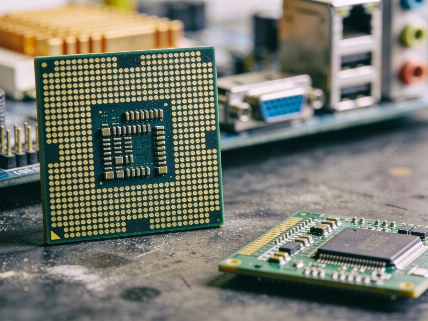
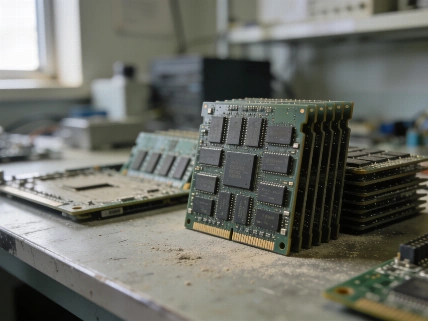
Not all tech companies are sharing equally in the AI surge. The biggest gains are showing up first in hardware. Leveraged-loan hardware firms saw nearly 48% revenue growth and over 50% EBITDA growth in the second quarter. High-yield hardware issuers posted 32.1% revenue growth and an 85.6% jump in EBITDA. By contrast, software and services companies saw much smaller gains, with revenue up just 4.5% among loan borrowers and 5.8% in high yield.
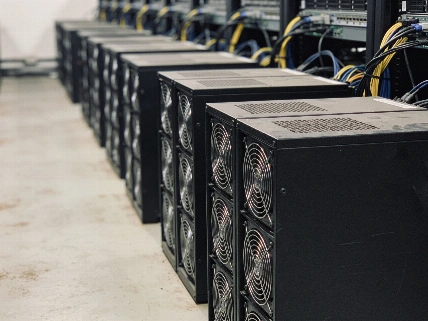
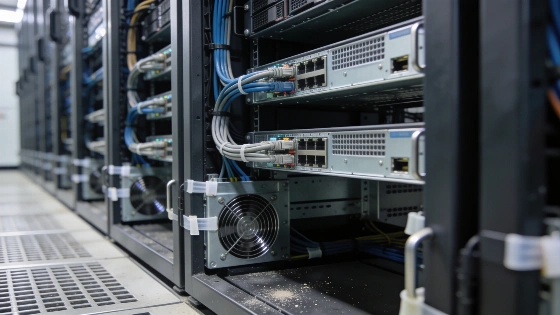
This pattern reflects where AI investment is flowing: into the physical infrastructure needed to support new technology. Companies selling servers, data center equipment, and related hardware are seeing the earliest and largest benefits. Bank of America found that 31% of S&P 500 companies are already realizing substantial AI benefits, compared to just 18% of leveraged-finance issuers, highlighting how the AI cash surge remains concentrated among those closest to the technology's foundation.
Big Tech's Debt-Fueled AI Expansion
The scale of AI investment is visible in the debt markets. So far this year, companies have issued more than $335.7 billion in U.S. dollar-denominated AI-linked debt, according to Bank of America. Investment-grade bonds account for about $255 billion, with high-yield borrowing adding another $40 billion. Loans and direct lending each contribute roughly $20 billion.
Major U.S. corporations are at the center of this borrowing wave. Alphabet raised nearly $25 billion in investment-grade AI debt in August, following a $20 billion sale earlier in the year. Amazon issued $25 billion in July, after an even larger deal in March. Nvidia and Meta Platforms each raised around $25 billion in recent months. These massive capital raises are funding data centers, semiconductors, and the infrastructure needed to power AI applications.
Yet this borrowing comes at a cost. Investment-grade AI debt now trades at spreads of about 119 basis points-roughly 46 basis points wider than comparable non-AI bonds. High-yield AI debt carries a premium of about 147 basis points over similar non-AI issues, reflecting investor caution about the risks and payback timeline of these investments.
Implications for Workers and Consumers
While the leveraged finance market may seem distant from everyday life, the companies borrowing in these markets employ millions, purchase equipment, and supply goods and services that reach Main Street. As AI winners gain access to cheaper capital and faster growth, they may be able to hire more, invest in expansion, and offer higher wages. Meanwhile, companies on the wrong side of the AI divide could face higher borrowing costs, slower revenue growth, and difficult decisions about staffing and investment.
These trends are not limited to technology. Bank of America notes that while technology and energy sectors are performing strongly, other industries are under pressure. Retail high-yield revenue grew just 1% in the second quarter, with earnings down 2%. Food producers saw a modest 2% revenue increase but an 11% drop in earnings, squeezed by rising commodity and freight costs. The divergence in performance could influence where new jobs are created and which companies expand or contract in the coming years.
For context, the broader leveraged finance market remains relatively healthy. High-yield revenue rose 7.5% year over year in the second quarter, with adjusted EBITDA up 9%. Leveraged-loan borrowers posted 8.6% revenue growth and 9.5% EBITDA growth. But these headline numbers mask the growing gap between AI winners and laggards.
As capital continues to flow toward companies best positioned to profit from AI, the divide could deepen. This dynamic may ultimately shape which businesses thrive, where new facilities are built, and how the benefits of AI investment are distributed across the economy. For those interested in how shifting market forces can impact everyday financial decisions, a recent analysis of buyer leverage in the U.S. housing market offers another example of how economic trends can reshape consumer opportunities: see how homebuyers are gaining ground as sellers outnumber buyers in key cities.
Understanding the mechanics of leveraged finance is essential for grasping how AI investment is reshaping the corporate landscape. Leveraged loans and high-yield bonds are forms of debt issued by companies with below-investment-grade credit ratings, often used to fund expansion or acquisitions. These instruments carry higher risk and, therefore, higher yields, but they also expose borrowers to greater scrutiny from investors. As AI spending accelerates, the ability to access affordable financing may determine which companies can keep pace with technological change-and which may struggle to survive in a rapidly evolving market.