Nvidia, Amazon and Alphabet trade at lower forward earnings multiples despite a powerful market rally. Strong growth forecasts support the case for Nvidia, but heavy AI spending and high expectations leave investors watching for results.
The S&P 500 has more than doubled since the start of 2023. In the period covered by the analysis, it gained 13.1% year to date. Yet several of the biggest AI stocks now trade at lower forward earnings multiples than before.
That is not a bargain. Their valuations depend on companies delivering the growth investors expect.
Nvidia's latest results and revenue outlook put that test in focus. Amazon and Alphabet face another challenge. Their heavy AI infrastructure spending is weighing on free cash flow, though it could support future returns.
Reuters reports that AI infrastructure spending by the five largest U.S. hyperscalers is expected to more than double next year, while their current revenue remains below the break-even level for those investments.
Lower multiples after the rally
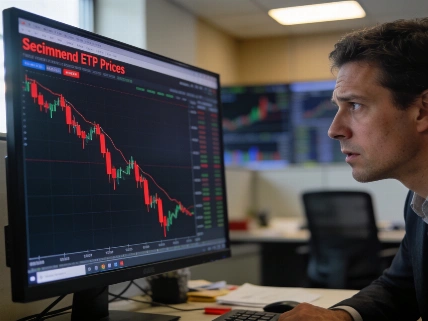
The cited forward price-to-earnings ratios are 24.4 for Nvidia, 20.1 for Amazon and 17.2 for Alphabet. The S&P 500 trades at 19.4 times forward earnings, its lowest reading since April 2025.
A separate Oct. 1 market snapshot from Reuters put the S&P 500's forward P/E at 19.2. That was down from 22 at the start of 2026 and a peak of 23.5 in October 2025, according to its October market analysis.
Forward P/E compares a share price with expected earnings. The ratio can fall even as a stock rises if earnings forecasts grow faster. That is the explanation for Nvidia, Amazon and Alphabet. It does not prove their shares are cheap. Forecasts can change, and the valuation depends on those earnings arriving.
Microsoft's valuation was described as broadly consistent. Apple's was higher after its recent rally, despite slower projected growth.
Nvidia must deliver
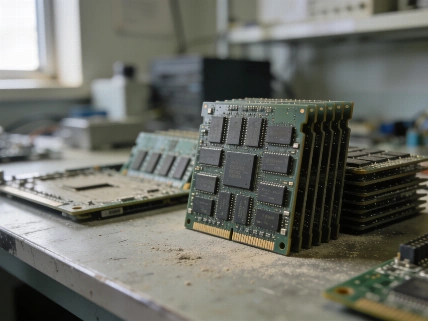
Nvidia reported record second-quarter fiscal 2027 results. It maintained high margins despite rising memory-chip costs. Its Vera Rubin platform began shipments in August, and the company expects fiscal 2028 revenue to rise 70% year over year.
The growth case is strong. So is the execution bar.
Anthropic has entered into long-term infrastructure commitments of at least $111.1 billion with Google, $110 billion with Amazon and $31.4 billion with Microsoft over seven to 10 years. Reuters reported that payments are largely fixed regardless of usage.
Nvidia shares were up 21.9% year to date in the cited period. Earnings growth had still pushed down the stock's forward valuation. That matters: a lower multiple offers little protection if future earnings fall short.
Nvidia also added $150 billion to its share-repurchase authorization, bringing the available total to $235 billion. The company expects to use that amount by the end of fiscal 2028, according to Reuters' buyback report. A separate Nvidia buyback report examined a different market catalyst. Here, the main question is whether operating growth can keep up with expectations.
AI spending cuts both ways
Amazon and Alphabet are investing heavily in AI. That spending has pushed their free cash flow below zero. The payoff depends on whether new data-center capacity eventually lifts margins and earnings.
For now, investors must weigh possible future returns against the cash being committed. Anthropic's multiyear infrastructure contracts show the scale of those commitments. Reuters reported that its payments to cloud providers are largely fixed regardless of usage.
Chipmakers also have exposure to this spending cycle. Nvidia, Broadcom and AMD could come under pressure if hyperscalers pull back. They may also benefit from infrastructure upgrades and demand from AI startups.
It cuts both ways.
Forward P/E works best as a comparison, not a verdict on intrinsic value. It sets share prices beside expected earnings, but cannot show whether a forecast is realistic or when investment will turn into profit.
For AI companies, capital spending can weigh on cash flow before new capacity brings returns. A slowdown in customer spending can also hit suppliers. The case for these stocks rests on sustained earnings growth. Without it, a lower multiple can quickly lose its appeal.