A severe thunderstorm watch threatens the DMV with damaging winds, hail, and power outages, putting property, insurance claims, and local businesses at risk as storms intensify into the evening
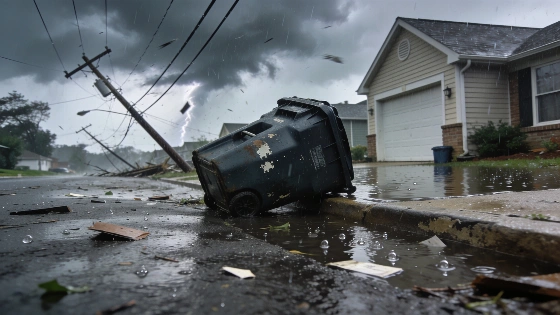
Residents and businesses across the Washington, D.C. metropolitan area face heightened financial and operational risks as a severe thunderstorm watch remains in effect until 9 p.m. Monday. The alert, which covers all areas inside and around the Capital Beltway, signals a strong potential for damaging wind gusts up to 60 mph, large hail, frequent lightning, and heavy rainfall. For households and companies, these conditions can translate into property damage, insurance claims, and potential disruptions to daily operations.
According to 7News, the greatest threat is expected through 8 p.m., with storms continuing to develop throughout the evening. While the primary hazards are high winds and hail, the risk of power outages and flash flooding could also impact local infrastructure and transportation. Although the probability of a tornado is considered low, it cannot be entirely ruled out. A severe thunderstorm watch means that atmospheric conditions are favorable for the development of storms capable of producing significant damage, but it does not guarantee that severe weather will occur in every area under the watch.
For homeowners, the financial impact of severe weather can be substantial. The Insurance Information Institute reports that wind and hail accounted for nearly 40% of all homeowners insurance claims in the U.S. in recent years, with the average claim for wind or hail damage exceeding $12,000. Businesses may also face losses from property damage, inventory spoilage, or forced closures due to power interruptions. Local governments and utilities often incur additional costs for emergency response and infrastructure repairs following major storms.
As storms threaten the DMV, the region's experience mirrors recent severe weather events in other major cities. For example, New York City faced similar risks from damaging winds and flash flooding during a Level 2 severe weather alert earlier this year, as detailed in this coverage of NYC's recent severe storm threat. Such events highlight the importance of reviewing insurance coverage, preparing emergency supplies, and staying informed through trusted local sources.
If a severe thunderstorm warning is issued for your area, experts recommend moving indoors, staying away from windows, and securing outdoor property to minimize potential losses. Power surges and outages can also damage electronics and disrupt business operations, so surge protectors and backup power solutions may help reduce risk. For those with high-deductible insurance policies, out-of-pocket costs for repairs can be significant, making it essential to understand policy terms and coverage limits before a storm hits.
Severe weather watches and warnings are part of a broader system designed to help individuals and businesses manage risk. A "watch" indicates that conditions are right for dangerous storms to develop, while a "warning" means that severe weather is imminent or already occurring. Understanding the distinction can help households and companies make timely decisions about safety and asset protection. Reviewing insurance policies, maintaining emergency funds, and having a response plan in place are practical steps to reduce the financial impact of extreme weather events.