
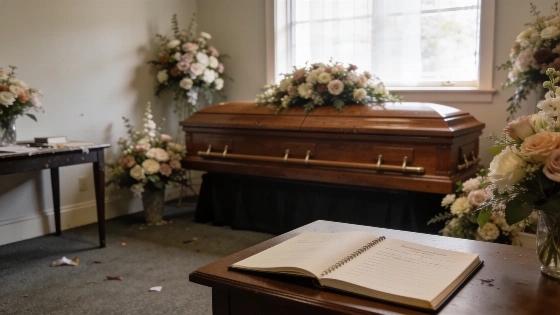
The unexpected passing of actor Lee Yongju highlights the financial and emotional challenges families and colleagues face after a sudden loss, underscoring the importance of emergency planning and support systems
The sudden death of actor Lee Yongju from cardiac arrest has sent shockwaves through his professional community, prompting an outpouring of grief and reflection among colleagues and fans. As tributes continue from fellow actors and entertainers, the event also brings renewed attention to the financial and logistical realities that families and close associates must navigate after an unexpected loss.
For many Americans, the sudden passing of a loved one can trigger a cascade of urgent financial decisions. Immediate expenses such as funeral costs, travel for family members, and the settlement of outstanding debts can quickly add up. According to the National Funeral Directors Association, the median cost of a funeral with viewing and burial in the United States reached $8,300 in 2023, not including cemetery fees or related expenses. Without advance planning or adequate insurance, these costs can strain household budgets and force difficult choices at a time of emotional vulnerability.
Colleagues of Lee Yongju, including Kim Jae-woo, Baek Bong-gi, Jung Si-yeon, and Kim Ho-chang, have shared their memories and regrets on social media, underscoring the personal and professional bonds that can be disrupted by sudden loss. Their reflections also highlight a common theme: the importance of maintaining connections and support networks, both for emotional well-being and for practical assistance during crises. In the entertainment industry, where income can be unpredictable and benefits such as life insurance or employer-sponsored support may be limited, the financial impact of a colleague's death can ripple through a wider circle.
While the specifics of Lee Yongju's financial arrangements are private, his passing serves as a reminder of the value of emergency funds, up-to-date beneficiary designations, and clear communication about end-of-life wishes. For self-employed professionals and gig workers, who may lack access to traditional workplace benefits, establishing a personal safety net is especially critical. Even modest steps-such as maintaining a dedicated savings account for emergencies or reviewing life insurance coverage-can make a significant difference for surviving family members and dependents.
Recent data from the Federal Reserve's 2023 Survey of Household Economics and Decisionmaking found that 37% of U.S. adults would have difficulty covering an unexpected $400 expense without borrowing or selling something. This underscores the vulnerability many households face when confronted with sudden costs, whether due to medical emergencies, accidents, or the loss of a loved one. Financial planners recommend reviewing insurance coverage, creating a will, and discussing end-of-life preferences with family members to reduce uncertainty and stress during difficult times.
As the entertainment community mourns Lee Yongju, his colleagues' public expressions of regret and remembrance also serve as a call to action for others to strengthen their own financial and emotional safety nets. While no amount of planning can eliminate the pain of loss, proactive steps can help ease the burden on those left behind and provide greater peace of mind for individuals and families alike.
Emergency funds play a crucial role in household financial stability, especially when facing unplanned expenses such as funeral costs or medical bills. Unlike retirement accounts or long-term investments, emergency savings should be easily accessible and held in low-risk, liquid accounts such as high-yield savings or money market accounts. Financial experts generally recommend setting aside three to six months' worth of living expenses, but even smaller amounts can provide meaningful protection. Regularly reviewing and updating beneficiary information on insurance policies and financial accounts can also help ensure that assets are transferred smoothly and according to one's wishes in the event of an unexpected death.