The Ross Fire has scorched 80,000 acres in Palo Pinto and Jack counties, forcing evacuations and straining local resources as shifting winds complicate containment and threaten critical infrastructure
A fast-moving wildfire in North Texas is putting homes, infrastructure, and local economies at risk as it continues to burn across Palo Pinto and Jack counties. The Ross Fire, which began in Palo Pinto County roughly 60 miles west of Fort Worth, has now expanded into neighboring Jack County, consuming an estimated 80,000 acres as of Wednesday morning. Containment remains limited at just 12%, with shifting winds and dry conditions fueling the fire's unpredictable spread.
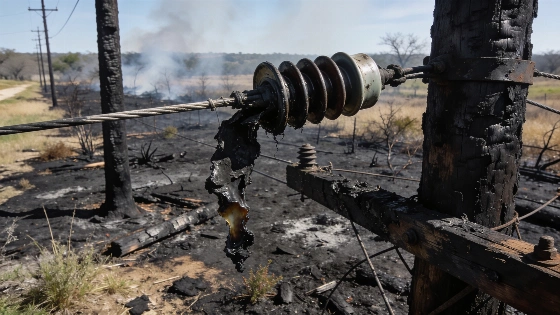
Mandatory evacuation orders remain in effect for several communities, and local officials have warned that the situation could worsen if weather conditions do not improve. The fire has already destroyed multiple structures, including a youth camp, and continues to threaten remote residential areas. Emergency crews are working around the clock to protect property and critical infrastructure, with Oncor utility teams deployed to manage power lines and reduce the risk of further outages or fire-related electrical hazards.
Financial and Community Impact
The economic toll of the Ross Fire is mounting as families are forced to leave their homes and local businesses face disruption. For many residents, the evacuation means not only the immediate cost of relocation but also uncertainty about property damage and future insurance claims. The destruction of structures in rural areas can have outsized effects, as replacement costs and rebuilding timelines are often higher in less densely populated regions. Local governments are also facing increased expenses for emergency response, shelter, and recovery efforts.
Federal assistance has been authorized to help manage the crisis. Texas Governor Greg Abbott announced that the Federal Emergency Management Agency (FEMA) approved a grant to support firefighting operations, providing critical funding for equipment, personnel, and logistical support. While this aid will help offset some immediate costs, the long-term financial impact on affected households and local governments remains unclear.
Containment Challenges and Infrastructure Risks
Firefighters have struggled to contain the blaze due to its size, rapid movement, and the region's variable wind patterns. According to local officials, prepositioned crews were able to prevent the fire from reaching the town of Bryson overnight, but heavy fire activity continues along the Highway 16 corridor near Possum Kingdom. Oncor crews are working to secure power lines and restore service where possible, but the risk of additional outages remains high as the fire advances.
Authorities have not yet released a full accounting of the number of homes and businesses damaged or destroyed. The cause of the fire is still under investigation, and officials have not provided an estimate for when full containment might be achieved. Residents in the path of the fire face ongoing uncertainty, with many forced to evacuate on short notice and make difficult decisions about what to take and what to leave behind.
Community Response and Resource Strain
Local agencies and volunteers have mobilized to support evacuees, but the influx of donations has at times overwhelmed distribution centers. Officials in Palo Pinto County have asked for a pause on physical donations, encouraging financial contributions instead to help maintain firefighting equipment and support ongoing emergency operations. The sheriff's office continues to assist with evacuations and ensure public safety in affected areas.
For families like those in Perrin, the fire's rapid advance has underscored the importance of emergency preparedness and the challenges of protecting both people and livestock. The experience has left many residents anxious about the future, especially as wildfires become more frequent and severe in parts of the U.S. due to prolonged drought and changing climate patterns.
According to the National Interagency Fire Center, wildfires in the United States burned more than 7.6 million acres in 2023, with Texas among the states experiencing significant fire activity. The financial impact of wildfires extends beyond immediate property loss, often resulting in higher insurance premiums, increased public spending on emergency response, and long-term economic disruption for affected communities.
Wildfire insurance coverage varies widely by state and insurer, and many homeowners in high-risk areas may face rising premiums or coverage restrictions in the aftermath of major events. For those living in rural or wildfire-prone regions, understanding policy exclusions, deductibles, and the claims process is essential. Local governments may also need to reassess emergency preparedness plans and infrastructure investments to better manage future wildfire risks and reduce the financial burden on residents and businesses.