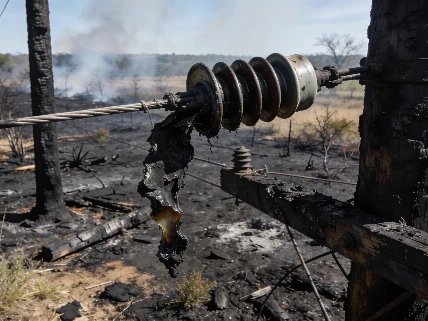
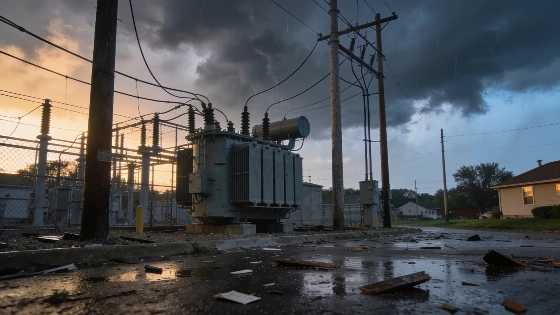
Fast-moving storms triggered tornado warnings and left over 30,000 Wisconsin customers without electricity, raising concerns about infrastructure resilience and emergency preparedness across the region
Severe weather swept across southeastern Wisconsin on August 18, 2026, disrupting daily life and exposing vulnerabilities in the region's power infrastructure. As storms intensified during the evening, tornado warnings and severe thunderstorm watches were issued for multiple counties, including Milwaukee, Racine, and Waukesha. The National Weather Service responded by updating alerts as conditions evolved, with some warnings expiring while others remained in effect until late evening. Despite the heightened risk, events such as the Brewers game at American Family Field continued as scheduled, even as the stadium fell within a tornado warning zone.
Power outages quickly became a central concern for residents and businesses. According to reporting by FOX6, more than 18,000 customers in Milwaukee County lost electricity, with statewide outages surpassing 30,000. We Energies, the region's primary utility provider, urged customers to report outages through digital channels or by phone and emphasized the dangers of downed power lines and flooded basements. The company's response highlighted the importance of emergency protocols and the need for households to have contingency plans for extended outages, especially during severe weather events.
Storm damage was reported throughout southeastern Wisconsin, with video footage from Brookfield and other communities showing the intensity of the weather system. The National Weather Service canceled severe thunderstorm watches for some counties shortly after 7:30 p.m., but maintained alerts for Kenosha, Racine, and Walworth until 10 p.m. Severe thunderstorm warnings for southern Milwaukee County, Racine County, and southeastern Waukesha County remained active until 7:45 p.m., underscoring the unpredictable nature of summer storms in the Midwest.
For many households, the financial impact of power outages extends beyond immediate inconvenience. Loss of electricity can lead to spoiled food, interrupted work-from-home arrangements, and increased costs for temporary accommodations or emergency supplies. Businesses face their own set of challenges, from lost revenue to equipment damage and data loss. Insurance coverage for storm-related losses varies by policy, and not all homeowners or renters are fully protected against the costs associated with severe weather. Reviewing coverage details and understanding exclusions is critical for financial preparedness.
According to the U.S. Energy Information Administration, the average American experienced just over seven hours of electric power interruptions in 2022, with weather-related events accounting for the majority of outages. In the Midwest, severe thunderstorms and tornadoes are among the leading causes of service disruptions, often resulting in widespread outages that can take hours or days to resolve. Utilities invest in grid modernization and vegetation management to reduce risks, but extreme weather continues to test the resilience of local infrastructure.
Emergency preparedness is a key consideration for both households and businesses facing the threat of severe storms. Maintaining an emergency fund, keeping essential supplies on hand, and having a clear plan for communication and evacuation can help mitigate the financial and personal risks associated with power outages. For those in areas prone to severe weather, investing in backup power solutions such as generators or battery storage may provide additional peace of mind. Reviewing insurance policies annually and understanding the claims process can also help ensure that unexpected losses do not lead to long-term financial setbacks.