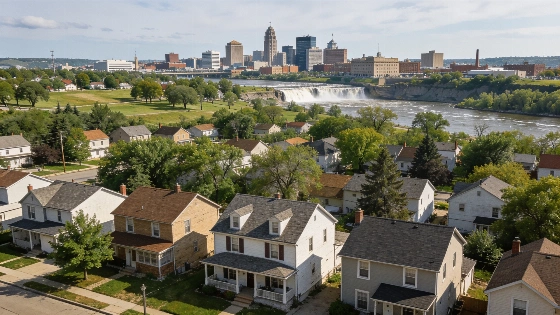
Sioux Falls stands out for retirees with home values below the national average, no state income tax, and access to major healthcare systems-factors that can stretch fixed incomes and reduce financial stress in retirement
For retirees seeking a balance between affordability, healthcare access, and community amenities, Sioux Falls, South Dakota, has emerged as a leading option in the Midwest. As the state's largest city and economic hub, Sioux Falls offers a mix of urban services and small-town atmosphere, drawing attention from those looking to make the most of their retirement dollars. The city's revitalized downtown, extensive park system, and year-round events provide a lifestyle that appeals to many older adults considering relocation.
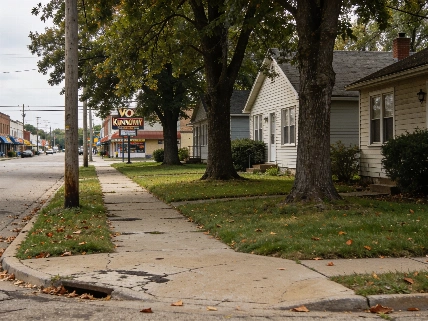
One of the city's most significant draws is its cost structure. Housing in Sioux Falls remains attainable compared to similarly sized U.S. cities, with the average home value at $336,151-well below the national average of $372,995, according to Zillow data as of early 2024. Renters also benefit, with average monthly rents around $1,170. The overall cost of living is estimated at 12% lower than the national average, making everyday expenses such as utilities, transportation, and groceries more manageable for those on fixed incomes.
Tax Policy and Retirement Income
South Dakota's tax environment is particularly favorable for retirees. The state levies no income tax, which means Social Security benefits, pension payments, and withdrawals from retirement accounts are not subject to state taxation. There are also no inheritance or estate taxes, reducing the risk of unexpected costs for those planning to leave assets to heirs. This structure can make a substantial difference for retirees comparing states, especially when combined with the city's lower housing costs.
For those weighing the trade-offs between small cities and larger metropolitan areas, it's worth noting that Sioux Falls offers many of the amenities of a bigger city without the corresponding price tag. According to Financial Sumo's analysis of affordable small cities for retirement, smaller urban centers can deliver lower housing costs and taxes, though access to specialized healthcare and public transportation may vary. Sioux Falls stands out by offering both a robust healthcare sector and a walkable, active downtown.
Healthcare Access and Community Life
Healthcare is a central concern for retirees, and Sioux Falls is home to major medical providers including Sanford Health and Avera Health. These systems operate large campuses offering services such as cancer care, cardiology, orthopedics, neurology, and rehabilitation. Veterans have access to primary and specialty care at the Royal C. Johnson Veterans' Memorial Hospital. The presence of these facilities reduces the need for long-distance travel for specialized care, a common challenge in smaller cities.
Beyond healthcare, Sioux Falls offers a vibrant community life. The downtown area features restaurants, breweries, boutiques, and cultural venues like the Washington Pavilion, which hosts concerts, theater, and art exhibits. Public art installations, such as SculptureWalk Sioux Falls, and events like the Falls Park Farmers Market and Downtown Riverfest, provide year-round opportunities for engagement. The city's walkability and public transit options, including Sioux Area Metro bus routes and paratransit, support mobility for older adults.
Recreation, Climate, and Practical Considerations
Outdoor recreation is a year-round feature in Sioux Falls. The Big Sioux River Recreation Trail connects more than 30 miles of parks and green spaces, while golf courses, pickleball courts, and playgrounds offer additional options. The city experiences four distinct seasons, with warm summers, colorful autumns, and snowy winters-December is typically the snowiest month. Average temperatures range from 10°F in January to 84°F in July, so retirees should consider their comfort with seasonal weather when evaluating the city.
For those planning a move, it's important to factor in both the financial and lifestyle aspects. While Sioux Falls offers a lower cost of living and favorable tax treatment, the city's climate and regional location may not suit everyone. Access to amenities, healthcare, and transportation should be weighed alongside housing costs and tax benefits.
When evaluating retirement destinations, understanding the interplay between cost of living, tax policy, and healthcare access is essential. State tax rules can have a significant impact on retirement income, especially for those relying on Social Security, pensions, or withdrawals from tax-advantaged accounts. While no state can guarantee a perfect fit for every retiree, cities like Sioux Falls demonstrate how a combination of affordable housing, tax advantages, and robust healthcare infrastructure can make a meaningful difference in retirement planning.