Retiring in Brazil may cost less than $1,000 per month per person in select towns, with affordable housing, healthcare options, and a warm climate drawing U.S. retirees seeking a lower cost of living
Brazil is emerging as a destination of choice for Americans looking to stretch their retirement dollars further. While major cities like Rio de Janeiro and São Paulo attract tourists with their vibrant culture and nightlife, a growing number of retirees are seeking out quieter coastal towns and inland communities where the cost of living is significantly lower than in the United States. According to a report from Travel + Leisure, Brazil's appeal lies in its combination of affordability, natural beauty, and a climate that supports an active, outdoor lifestyle year-round.
For many U.S. retirees, the financial calculus is straightforward: everyday expenses such as housing, groceries, and transportation can be dramatically lower in Brazil than in most parts of the U.S. or Western Europe. In some smaller towns, it's possible for a single person to live comfortably on less than $1,000 per month. This includes rent, utilities, and basic necessities, though actual costs vary by region and lifestyle. The country's universal healthcare system, along with the option to purchase private insurance at rates often below U.S. premiums, adds another layer of financial security for long-term residents.
Visa Requirements and Residency Rules
Brazil offers a retirement visa program that requires applicants to demonstrate a minimum monthly income of $2,000 from pensions or other stable sources. This threshold is generally more than sufficient to cover living expenses in many of the country's less touristy areas. The visa process also requires proof of health insurance and background checks, and applicants should be prepared for bureaucratic delays. While the process is manageable for most, it's important to understand that visa rules and documentation requirements can change, so consulting with a qualified immigration attorney or relocation specialist is recommended before making any commitments.
Healthcare Access and Language Barriers
Healthcare is a central concern for retirees considering a move abroad. Brazil's public healthcare system, known as SUS, is available to legal residents, but the quality and availability of services can vary widely by region. Many expats opt for private health insurance, which is typically more affordable than comparable U.S. plans but may still require out-of-pocket payments for certain services. Access to English-speaking medical professionals is limited outside major cities, so learning basic Portuguese can be essential for navigating appointments and emergencies. Retirees should also research the proximity of hospitals and clinics when choosing a location.
Choosing the Right Location
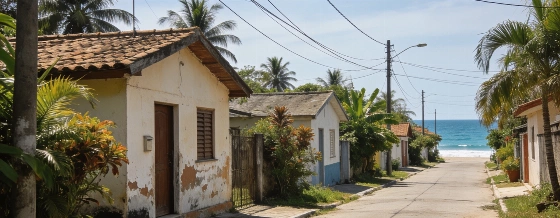
Brazil's vast geography offers a range of retirement options, from car-free islands and fishing villages to towns known for surfing or wildlife. Some of the most popular destinations for retirees seeking affordability and tranquility include Ubatuba in São Paulo state, São Miguel dos Milagres in Alagoas, Boipeba Island in Bahia, Atins in Maranhão, Garopaba in Santa Catarina, and Miranda in Mato Grosso do Sul. Each offers a distinct mix of natural scenery, cultural experiences, and access to healthcare. While these towns are less crowded than Brazil's major tourist hubs, safety and infrastructure can vary, so it's important to visit in person and assess local conditions before relocating.
According to the Social Security Administration, more than 700,000 Americans received Social Security benefits while living outside the U.S. as of December 2023. Brazil is not among the top destinations for U.S. retirees abroad, but its popularity is rising as cost pressures and healthcare concerns drive more Americans to consider international options. The U.S. dollar's relative strength against the Brazilian real in recent years has also made the country more affordable for those with fixed retirement incomes.
Relocating abroad in retirement involves a complex set of trade-offs. While Brazil offers the potential for a lower cost of living and a relaxed lifestyle, retirees must weigh factors such as language barriers, regional safety differences, and the reliability of local infrastructure. Healthcare access, visa requirements, and the ability to adapt to a new culture are all critical considerations. For those willing to navigate these challenges, Brazil's diverse regions provide a range of options for building a retirement that balances affordability, adventure, and quality of life.