Lewes, Delaware, stands out for retirees with its low property taxes, no state sales tax, and a walkable historic downtown near beaches-yet home prices and rents run above national averages, requiring careful budgeting for long-term residents
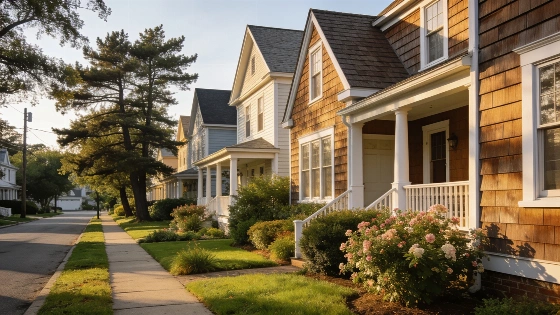
For retirees seeking a blend of coastal living, historic character, and favorable tax treatment, Lewes, Delaware, has emerged as a notable option. Situated at the mouth of the Delaware Bay and known as "the first town in the first state," Lewes offers a quieter alternative to larger beach cities, with a compact, walkable downtown and easy access to both bay and ocean beaches. Its reputation as a retirement destination has been reinforced by its inclusion in Investopedia's top 100 places to retire, reflecting both lifestyle and financial considerations.
While the town's charm is undeniable, the financial realities of living in Lewes require careful evaluation. Housing costs are a primary driver of the area's cost of living, which sits about 11% above the national average. Groceries are also pricier, running nearly 10% higher than the U.S. average. The median home sales price reached $578,333 as of January 31, 2026, and median rent was $2,250 in April 2026-both figures notably above national benchmarks. However, a significant share of homes sold below their listing price, suggesting some room for negotiation in a market that remains competitive but not overheated.
Tax Structure and Retirement Income
Delaware's tax policies are a major draw for retirees. The state boasts the third-lowest property tax rate in the country, a significant advantage for homeowners, especially when compared to neighboring states like New Jersey and Pennsylvania. Seniors aged 65 and older benefit from an additional property tax reduction of roughly 35%. Delaware also stands out for what it does not tax: there is no state sales tax, no personal property tax, and no inheritance or estate tax. Personal income tax rates range from 2.2% to 6.6%, with a scheduled increase to 6.95% in 2026 for higher income brackets. Importantly, Social Security benefits are not taxed, and residents 65 and older can exclude up to $12,500 of other retirement income annually from state taxes. These policies can help offset higher housing costs, but retirees should still account for the area's elevated living expenses when planning their budgets.
According to the U.S. Census Bureau, Delaware's median property tax payment was $1,315 in 2023, compared to the national median of $2,690. This difference can translate into thousands of dollars in annual savings for homeowners, particularly those on fixed incomes. However, the state's relatively high home prices in coastal areas like Lewes mean that total housing costs may still exceed those in inland communities, even after accounting for tax advantages.
Outdoor Amenities and Community Life
Lewes offers more than just financial incentives. The town is surrounded by natural attractions, including Cape Henlopen State Park and 28 miles of Atlantic coastline. Residents have access to golf courses, kayaking, boating, and fishing, as well as biking and hiking trails that connect to neighboring Rehoboth Beach. The climate supports outdoor activities for much of the year, though summer humidity can be uncomfortable, with July temperatures typically ranging from 70°F to 84°F and muggy conditions reported about 18% of the time, according to Weather Spark.
The downtown area is compact and designed for walkability, with historic storefronts, brick sidewalks, and waterfront views. Lewes is known for its absence of national retail chains and fast-food outlets, favoring local boutiques and restaurants. The town's "Culinary Coast" reputation is supported by a range of dining options, many specializing in local seafood. Annual events such as the Southern Delaware Wine, Food, and Music Festival and the Tomato Festival at the Historic Lewes Farmers Market foster a sense of community and attract visitors during the shoulder seasons.
Healthcare Access and Everyday Living
Access to quality healthcare is a critical factor for retirees, and Lewes is anchored by Beebe Healthcare-Lewes Campus, which has received high marks for adult care and coronary intervention. The facility is part of a broader network of hospitals and specialists within a 50-mile radius, providing residents with a range of medical options. Traffic congestion is minimal, and the town's layout supports both walking and biking, with plans underway to expand local trails by 25 miles. These features contribute to a lifestyle that balances convenience, recreation, and access to essential services.
When evaluating a move to Lewes, prospective residents should weigh the trade-offs between higher upfront housing costs and ongoing savings from Delaware's tax structure. While the area's property taxes and lack of sales tax can reduce annual expenses, the premium for coastal living remains significant. For those prioritizing walkability, community events, and proximity to outdoor amenities, Lewes offers a distinctive environment that may justify the higher cost of entry.
Property taxes are a recurring expense that can have a substantial impact on retirement budgets, especially for those on fixed incomes. In states like Delaware, where property tax rates are low and additional exemptions are available for seniors, the savings can be meaningful over time. However, buyers should consider not just the tax rate but also the assessed value of homes, as higher property values can offset some of the benefits of a low rate. It's also important to factor in other recurring costs such as homeowners insurance, maintenance, and association fees, which can vary widely by location and property type. Understanding the full spectrum of housing-related expenses is essential for making an informed decision about where to retire.