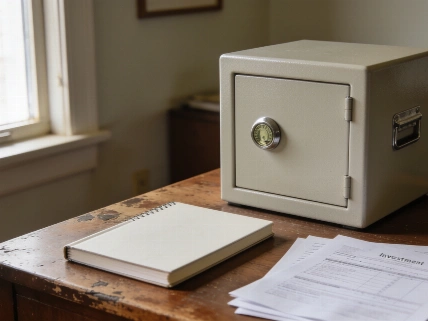

Retirees looking to cut costs and free up cash are increasingly downsizing homes, selling unused possessions, and streamlining investments-moves that can reduce expenses and potentially increase retirement income
For many Americans approaching retirement, simplifying both lifestyle and finances is a practical way to stretch savings and reduce stress. Downsizing-whether it means moving to a smaller home, selling off possessions, or paring back complex investments-can help retirees lower monthly expenses and potentially unlock extra cash for living costs or leisure.
While the emotional side of letting go of a longtime home or cherished items can be challenging, the financial benefits are often substantial. Lower property taxes, reduced utility bills, and less maintenance can make a noticeable difference in a fixed retirement budget. At the same time, selling unused assets can provide a financial cushion or fund new experiences in retirement.
Reducing Housing and Living Costs
One of the most significant ways retirees can cut expenses is by moving to a smaller, more manageable home. Selling a larger property in a strong real estate market can free up equity, while shifting to a condo, apartment, or smaller house typically means lower property taxes, insurance premiums, and utility costs. Maintenance and repair bills also tend to drop with less square footage and fewer outdoor responsibilities.
Timing matters: housing markets fluctuate, and selling during a seller's market can maximize proceeds. According to the National Association of Realtors, the median existing-home price in the U.S. was $393,500 in April 2024, up 5.7% from a year earlier, though regional differences remain significant. Retirees should weigh local market conditions and potential transaction costs before making a move.
Turning Unused Items Into Cash
Beyond housing, many retirees find value in selling possessions they no longer need. Furniture, electronics, exercise equipment, and even business attire can be sold through online marketplaces, consignment shops, or local sales. Vintage or high-quality items may fetch higher prices, especially if sold through specialized platforms or stores.
Unused jewelry, especially pieces containing precious metals or gemstones, can be appraised and sold to reputable buyers. Old children's toys, extra luggage, and duplicate household goods can also be converted into cash, reducing clutter and generating funds for travel, hobbies, or unexpected expenses. While the resale value of most used goods is modest, the cumulative effect can be meaningful for retirees on a fixed income.
Simplifying Investment Portfolios
Managing a complex investment portfolio can become burdensome in retirement, especially when it includes assets that require active oversight, such as rental properties or individual stocks. Many retirees choose to sell or consolidate these holdings, shifting toward more passive investments like mutual funds or exchange-traded funds (ETFs) that require less day-to-day attention.
Reducing the number of accounts and investment types can also make it easier to track required minimum distributions (RMDs), tax obligations, and overall asset allocation. Working with a financial planner can help retirees identify which assets to keep, which to sell, and how to time sales for optimal tax efficiency. According to the Investment Company Institute, U.S. households held $12.5 trillion in IRAs and $7.2 trillion in defined contribution plans as of year-end 2023, underscoring the importance of careful portfolio management in retirement.
Weighing Trade-Offs and Emotional Factors
Downsizing is not purely a financial decision. Emotional attachments to a home, family heirlooms, or long-held investments can complicate the process. Retirees should consider both the practical benefits and the personal costs of letting go. In some cases, keeping a second car or a larger home may be worth the extra expense for lifestyle reasons, while in others, the financial relief outweighs sentimental value.
Decisions about what to keep, sell, or simplify should be made with a clear understanding of current and future needs, as well as the potential impact on taxes, insurance, and estate planning. Consulting with a qualified financial advisor can help retirees navigate these choices and avoid costly mistakes.
When evaluating whether to sell a home, investment property, or other major asset, it's important to understand the tax implications, including potential capital gains taxes and the effect on Social Security or Medicare premiums. The IRS allows a capital gains exclusion of up to $250,000 ($500,000 for married couples) on the sale of a primary residence, but this does not apply to second homes or investment properties. Timing sales to minimize tax liability and maximize proceeds can make a significant difference in retirement security.