Conway, New Hampshire, stands out for retirees seeking lower housing costs, no state income tax, and year-round outdoor activities, but higher property taxes and limited public transit may affect household budgets and daily routines
For retirees looking to balance affordability, access to nature, and a sense of community, Conway, New Hampshire, is drawing increased attention. With a population just over 10,000, this town at the edge of the White Mountains offers a mix of small-town atmosphere and practical financial advantages, including no state income tax and a housing market that remains more accessible than many of New Hampshire's resort destinations.
Conway's appeal is not just its scenery. The town's cost structure, tax environment, and lifestyle options create a distinct set of trade-offs for those planning their retirement years. Understanding these factors is essential for anyone considering a move to this part of Carroll County.
Housing Costs and Tax Considerations
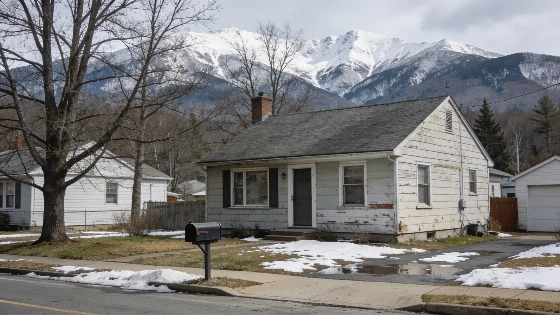
Homebuyers in Conway will find average purchase prices that are lower than in many neighboring towns. As of January 2026, the median home price in Conway was $437,420, compared to $503,104 in Carroll and $698,828 in Moultonborough. Renters also benefit from relatively moderate rates, with average monthly rents around $1,500-substantially less than Carroll's $2,500 and Moultonborough's $2,000. While overall living expenses in Conway are above the national average, especially for food and housing, retirees may offset some of these costs thanks to New Hampshire's lack of state income tax. Property taxes, however, remain a significant factor: the effective property tax rate is 1.41% statewide and 1.154% in Conway, which can add up for homeowners on a fixed income.
Energy, transportation, and healthcare costs in Conway are notably lower than national averages, with retirees paying 15.5% less for energy, 20.6% less for transportation, and 16.1% less for healthcare. These savings can help balance out higher expenses in other categories, but the overall budget impact will depend on individual spending patterns and housing choices.
Outdoor Lifestyle and Community Dynamics
Conway's proximity to the White Mountain National Forest and local lakes provides residents with immediate access to hiking, skiing, kayaking, and other outdoor activities throughout the year. The town's low-density neighborhoods offer privacy and space, while local parks and preserves, such as Pequawket Pond Preserve and Davis Park, support an active lifestyle. For retirees who prioritize daily movement and time in nature, these amenities are a major draw.
The community itself is a blend of long-term residents, retirees, and seasonal visitors. Local businesses, annual events like the Fourth of July Parade, and recreational leagues foster a sense of belonging. The town's compact layout means many shops and restaurants are within walking distance for those living near the center, though winter weather-with an average of 6.6 feet of snowfall annually-can make driving and walking more challenging.
Transportation, Healthcare, and Everyday Living
Conway does not operate its own public transportation system, but Tri-County Transit offers door-to-door service for residents age 60 and older or those with disabilities. For longer trips, Concord Coach Lines connects Conway to Boston and other New Hampshire towns. While there is no hospital in Conway itself, several medical offices and a Veterans Affairs clinic serve the area, and the nearest hospital is less than 10 miles away in North Conway. Access to larger hospitals and specialists is available in regional cities, but may require additional travel.
For retirees weighing the pros and cons of different retirement destinations, Conway's combination of lower housing costs, no state income tax, and outdoor amenities stands out. Yet, the lack of local public transit, higher property taxes, and winter weather are important considerations for daily life and budgeting. According to Investopedia, Conway's inclusion among the top 100 U.S. retirement destinations reflects these trade-offs, which are increasingly relevant as more Americans seek alternatives to high-cost resort towns. For context, the shift away from traditional pensions toward 401(k) plans has placed greater responsibility on individuals to manage their retirement finances, as discussed in this analysis of changing retirement security.
When evaluating retirement locations, it's important to understand how state and local tax policies interact with other cost-of-living factors. While New Hampshire's lack of state income tax can benefit retirees with taxable income, property taxes and housing costs may offset some of those savings. Retirees should also consider the availability of healthcare, transportation options, and the impact of seasonal weather on daily routines. Each of these factors can significantly affect both the financial and practical aspects of retirement living.