Americans age 75 and older face shrinking retirement account balances, with just 42% holding personal savings and most relying on Social Security and pensions to cover expenses as traditional income sources shift in retirement
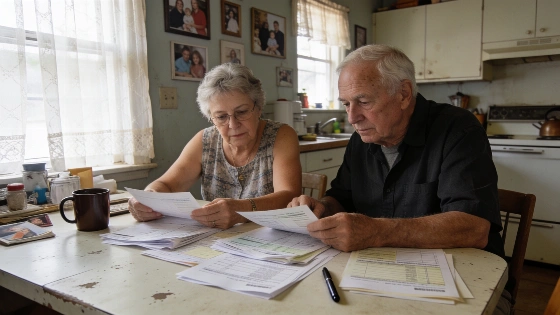
For Americans age 75 and older, the financial realities of retirement look different than for younger retirees. While many assume that large nest eggs are the primary source of support in later life, the data tells a more nuanced story. According to the Federal Reserve's 2022 Survey of Consumer Finances, only 42% of households in this age group have personal retirement accounts such as IRAs or 401(k)s. The median balance for those who do is $130,000-a figure shaped by years of withdrawals and the need to stretch savings over an uncertain lifespan.
Instead of relying solely on personal savings, most older retirees depend on a mix of Social Security, pensions, and other income streams. Social Security remains the backbone of retirement income for this group, with about 93% of Americans age 75 and up receiving benefits. As of May 2026, the average monthly Social Security payment for this demographic is $2,083, according to the Social Security Administration. Pensions, while less common among younger workers, still play a significant role for today's oldest retirees. The median annual payout from private pensions is $11,440, while state or local government pensions provide a median of $24,930 per year.
Retirement Account Ownership Declines With Age
The drop in retirement account ownership and balances is stark when comparing age groups. Among Americans ages 65 to 74, 51% have retirement accounts, with a median balance of $200,000. By age 75 and older, both the share with accounts and the typical balance fall sharply. This decline reflects not only the drawdown of assets to fund living expenses but also the fact that many retirees never had access to employer-sponsored plans or lacked the means to save consistently.
For those without substantial retirement savings, Social Security and pensions are often the primary sources of income. Some retirees also supplement their finances by downsizing homes, relocating to lower-cost areas, or tapping home equity through reverse mortgages. These strategies can help bridge gaps, but they also come with trade-offs, such as reduced housing security or increased exposure to real estate market fluctuations.
Social Security and Pensions as Safety Nets
Social Security's near-universal coverage among older Americans highlights its critical role as a safety net. The program's benefits are adjusted annually for inflation, providing some protection against rising living costs. However, the average benefit may not fully cover essential expenses, especially for those with high medical or long-term care needs. Pensions, where available, offer additional stability, but their prevalence has declined for newer retirees as private-sector employers have shifted toward defined contribution plans.
For context, the reliance on Social Security and pensions among today's oldest retirees stands in contrast to younger generations, who are more likely to depend on personal savings and investment returns. As explored in this analysis of Gen X retirement savings shortfalls, the shift away from traditional pensions raises questions about future retirement security.
Managing Risks and Income in Advanced Retirement
Older retirees face unique financial risks, including longevity, rising healthcare costs, and the potential for outliving their assets. Required minimum distributions (RMDs) from tax-advantaged accounts can also force withdrawals that increase taxable income, even if the funds are not needed for spending. For those with limited savings, the ability to adjust spending, access home equity, or rely on family support becomes increasingly important.
According to the Federal Reserve's 2022 data, the median net worth for households age 75 and older was $335,000, including home equity and other assets. While this figure suggests some financial cushion, it masks wide disparities and does not guarantee sufficient income for all. The interplay between Social Security, pensions, personal savings, and housing wealth shapes each retiree's options and vulnerabilities.
Understanding the mechanics of Social Security, pension rules, and retirement account withdrawals is essential for managing income in advanced age. Social Security benefits are calculated based on lifetime earnings and claiming age, while pension payouts depend on plan formulas and years of service. Required minimum distributions from IRAs and 401(k)s begin at age 73 for most retirees, with penalties for missed withdrawals. Each of these elements carries its own set of rules, risks, and planning considerations, making it important for retirees and their families to stay informed and seek professional guidance when needed.