
Retirement Investing - Page 2
78 articles
How Much Do You Need to Retire?
Average 401(k) balances for Americans in their 60s fall well below what many believe is needed for a comfortable retirement, raising questions about savings strategies, spending expectations, and the role of Social Security

Downsizing in Retirement: How to Simplify Your Lifestyle and Boost Your Savings
Retirees looking to cut costs and free up cash are increasingly downsizing homes, selling unused possessions, and streamlining investments-moves that can reduce expenses and potentially increase retirement income

What Public Service Sector Workers Get Wrong About Retirement and How You Can Fix It
Federal employees who rely on standard pension estimates may overlook key factors that shrink retirement income, including salary changes, service credits, and survivor benefits-potentially leading to costly shortfalls in later years

Warren Buffett's Go-To ETF Strategy and What It Means for Investors
Warren Buffett has consistently pointed everyday investors toward a low-cost S&P 500 index fund, not secret stock picks. Here's why he favors this approach, how it compares to active management, and what the numbers show about long-term results

Here's How Much You'd Need to Invest in SCHD to Generate $1,000 per Month in Dividends
To earn $1,000 in monthly dividends from the Schwab U.S. Dividend Equity ETF, investors would need to commit over $360,000-far less than what's required for a similar payout from an S&P 500 index fund, but not without trade-offs

How to Prepare Your Portfolio for a Recession
With inflation at 3.5% and the Federal Reserve signaling more rate hikes, investors face renewed recession risk. Learn how to build a cash buffer, maintain diversification, and keep your investment plan on track during market volatility

Building a $1 Million Retirement Fund with $500 Monthly Investments
Consistently investing $500 a month in a low-cost stock market ETF could grow to over $1 million in 30 years, but actual results depend on market returns, contribution discipline, and realistic expectations about risk and volatility

Warren Buffett's Most Recommended ETF: The S&P 500 ETF
Warren Buffett's endorsement of S&P 500 ETFs highlights how consistent, diversified investing-even in modest monthly amounts-can build substantial wealth over decades, but investors should weigh the trade-offs between stability and higher-risk alternatives

How Much You Need to Invest for $1,000 Monthly in SCHD
The Schwab U.S. Dividend Equity ETF draws attention for its steady payouts, but earning $1,000 a month in dividends requires a sizable investment and comes with important trade-offs for income-focused investors

How Consistent ETF Investing Could Add Up to $1 Million
Vanguard's Russell 1000 Growth ETF has outperformed the S&P 500 over 15 years. See how steady contributions and compounding-not stock picking-can drive long-term results, and what risks come with tech-heavy funds like VONG

Average Net Worth of Baby Boomers
Baby boomers hold over half of U.S. household wealth, but the typical boomer's net worth is far below the average, with most assets locked in home equity and retirement accounts rather than accessible cash

When 401(k) Balances Peak: How Retirement Savings Change From Your 20s to 80
Median 401(k) balances more than double each decade from your 20s to 50s, but typically decline in your 60s and 70s as withdrawals and rollovers begin-reflecting the shift from saving to spending in retirement

Why Your Retirement Contribution Rate Matters More Than Most People Realize
Many Americans contribute less than 10% of their income to retirement plans, but even a 1% increase early in your career can add tens of thousands of dollars to your nest egg by retirement

Your Wealth Depends on the Stock Market More Than Ever
Americans age 75 and older face shrinking retirement account balances, with just 42% holding personal savings and most relying on Social Security and pensions to cover expenses as traditional income sources shift in retirement

JPMorgan Equity Premium Income ETF: A Reliable Income Option for Retirees
The JPMorgan Equity Premium Income ETF (JEPI) offers retirees a way to generate monthly income by combining dividend stocks with options strategies, but its approach can limit upside and carries unique risks that investors should weigh carefully

Could a $50,000 Investment in the S&P 500 Grow to $1 Million?
A $50,000 lump-sum investment in an S&P 500 index fund could potentially reach $1 million over several decades, but the outcome depends on future market returns, compounding, and the investor's time horizon

Why SEC Mutual Fund Standards Matter for Retirement Investors
Retirement plan fiduciaries face growing pressure to evaluate investment performance, but not all funds are held to the same standards. Here's what makes SEC mutual fund reporting uniquely reliable-and why it matters for your 401(k)

The Schwab U.S. Dividend Equity ETF: A Long-Term Income Generator
With a 3.3% yield and a focus on high-quality dividend stocks, the Schwab U.S. Dividend Equity ETF offers investors a way to build growing income streams over time-if they reinvest and stay patient through market cycles

Vanguard Russell 1000 Growth ETF Could Make You a Millionaire
Investing $100 a month in the Vanguard Russell 1000 Growth ETF over 30 years could potentially grow to nearly $1.2 million, but the outcome depends on market performance, risk tolerance, and consistent contributions

Roth IRAs See Fewer Owners but More Active Contributions Than Traditional IRAs
While only about 25% of U.S. households own a Roth IRA, twice as many taxpayers contribute to Roths each year compared to traditional IRAs, with younger savers especially drawn to their tax-free withdrawal benefits

Should You Dump Your S&P 500 ETF Before a Market Crash?
Selling an S&P 500 ETF during a downturn can lock in losses, but holding through volatility may offer better long-term results for investors with time to recover from market swings

How Much Gen X Has Saved for Retirement-And Why the Numbers Are Troubling
Roughly 40% of Gen X households have no retirement savings, and those with accounts often fall far short of recommended targets, raising concerns as this group nears retirement age

What Is a Die-With-Zero Retirement?
The die-with-zero approach urges Americans to spend on experiences and family giving throughout life, not just in retirement, but balancing present enjoyment with future security requires careful planning and awareness of longevity and healthcare risks

Waiting Until 70 to Claim Social Security Can Pay Off Big
Delaying Social Security benefits until age 70 can boost monthly payments by more than 75% compared to claiming at 62, but the strategy requires careful planning to bridge income gaps and manage retirement savings withdrawals

iShares 10+ Year Investment Grade Corporate Bond ETF vs Vanguard Long-Term Treasury ETF: Which Bond Fund Offers the Best Combination of Safety and Investment Returns?
Long-term bond ETFs like IGLB and VGLT offer different trade-offs between yield, credit risk, and interest rate sensitivity-see how their returns, volatility, and income compare before choosing a fund for your portfolio

How Much Money Couples Need to Retire Comfortably in Each State
A recent survey found Americans believe they need $2.09 million to retire comfortably, but actual needs depend on retirement age, lifestyle, inflation, and withdrawal strategy-factors that can dramatically change the amount required

Leveraged ETFs Pose Hidden Risks for Long-Term Investors
Leveraged ETFs promise amplified returns but often come with high fees and risks that can erode gains over time. Many investors overlook how these products are designed for short-term trading, not for building retirement wealth

Gold IRA Fees and Taxes Can Undercut Retirement Gains Fast
Gold's record run has retirement savers eyeing gold IRAs, but high fees, complex rules, and steep tax rates can quietly erode returns-especially compared to lower-cost gold ETFs

Retirement Savings Targets at 59: How Much Is Enough
Approaching age 59 means you're nearing penalty-free retirement withdrawals, but most Americans fall short of recommended savings multiples. See how much you should have saved, what the data shows, and practical steps to close the gap

How Mason City Delivers Affordable Retirement Without Sacrificing Culture
Mason City, Iowa, offers retirees a cost of living 6% below the U.S. average, median home prices under $155,000, and a vibrant arts scene-raising the question of what trade-offs, if any, come with small-city retirement in 2026
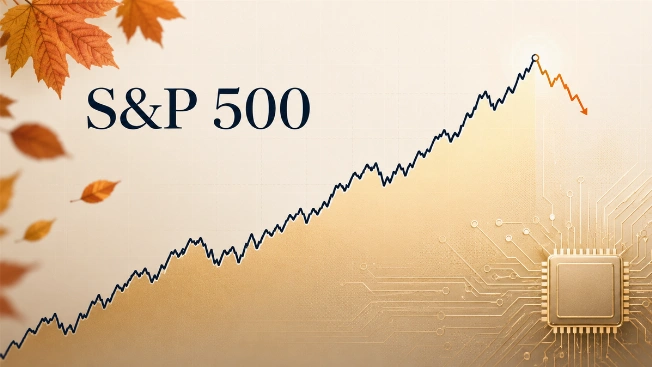
Oppenheimer Warns S&P 500 Rally May Face Fall Correction Risk
With the S&P 500 at record highs and Nvidia now valued above most national economies, Oppenheimer is signaling a potential seasonal pullback that could test investors' resolve before year-end

8 South Pacific Islands Where Retiring Costs Less Than You Think
Rising U.S. living costs have retirees looking abroad. These eight South Pacific islands offer affordable monthly budgets, unique cultures, and practical visa options for Americans seeking a lower-cost retirement with ocean views

How High Earners Max Out 401(k) Plans-and Why It Matters
Just 14% of U.S. workers with defined contribution plans reach the annual 401(k) contribution limit, with higher-income earners far more likely to do so. Early, aggressive saving can dramatically increase retirement balances through compounding

ChatGPT's Limits in Retirement Planning Could Cost You
AI can answer basic retirement questions, but relying on it alone risks missing critical details, outdated advice, and personal nuances that shape your long-term financial security

Retirement Income Plans Often Miss This Costly Inflation Risk
Many retirees build their income strategy around current yield, but that approach can leave them exposed as inflation erodes purchasing power over time. Here's what most retirement budgets overlook-and how to plan for rising costs

Most Retirees Don't Rely on Social Security as Much as Surveys Claim
While many retirees say Social Security is their main income, federal tax data shows only 14% actually depend on it for 90% or more of their retirement income, revealing a gap between perception and reality

How Much You Need to Retire Comfortably in North Carolina
Retiring in North Carolina may cost less than in many states, but most couples still need nearly $940,000 in savings to maintain a comfortable lifestyle beyond Social Security benefits

How Leaving a Job Can Impact Your 401(k) and Retirement Savings
Changing jobs can trigger unexpected 401(k) moves, forced cash-outs, or automatic rollovers. Learn how balance size, account type, and IRS rules affect your options-and what steps to take to avoid taxes, penalties, or lost investment growth
Page 2 by 2