
Compound Interest
21 articlesReaders can find walk-throughs, comparisons, examples and updates tied to financial fees, with attention to nearby terms when those details affect costs, rights, exposure or timing.

Is It Too Late to Start Investing? Why Starting Now Still Matters
More than half of workers report less than $100,000 in retirement savings. Hypothetical projections based on 8% annual growth show how steady investing could build a meaningful balance over time.

Automated index investing can build wealth without market expertise
Vanguard's 2026 retirement-plan report finds much higher participation in plans with automatic enrollment. Its figures show why steady contributions may matter more than trying to time the market.
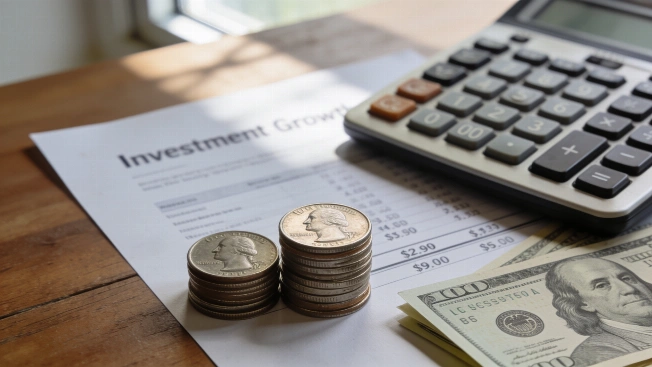
How compound interest turns small investments into real long-term gains
Put $100 a month into a stock fund earning 15 percent a year, and you could see it grow to over $24,000 in ten years. Compounding can push your money far past what you put in, especially if you reinvest dividends.

Warren Buffett hands Berkshire Hathaway chair to his son as he delivers a blunt lesson on time
Warren Buffett steps down as Berkshire Hathaway chairman at age 96, passing the role to his son and sharing a four-word warning that shaped his $144.6 billion fortune. His message reveals the real driver behind decades of compounding returns.

Disciplined Investing Turns Modest Contributions Into Million Dollar Portfolios
Consistent monthly investing and the power of compounding can turn even moderate contributions into a seven-figure portfolio over time. See how starting early and staying disciplined changes the math for long-term investors

Bill Ackman's investing rule beats Wall Street's hottest trends
Bill Ackman's Pershing Square turned every dollar into $27 while the S&P 500 delivered just $9 over 22 years. The secret was not chasing headlines but holding quality stocks through market noise

Kevin O'Leary's 15 Percent Savings Rule Faces a Harsh Paycheck Reality
Kevin O'Leary's 15 percent savings formula promises millions, but the median 401(k) balance is just $44,115 as rising rates and real incomes reveal the gap between theory and reality.

Suze Orman slams restaurant spending as Americans face record debt
Suze Orman warns that routine spending on restaurants and coffee can quietly drain thousands from American households each year as menu prices outpace inflation and debt burdens rise

How to Build a $100,000 Portfolio: What It Takes and Why Consistency Matters
Reaching a $100,000 investment portfolio is less about high income or perfect timing and more about steady monthly contributions, discipline, and letting compounding work over time
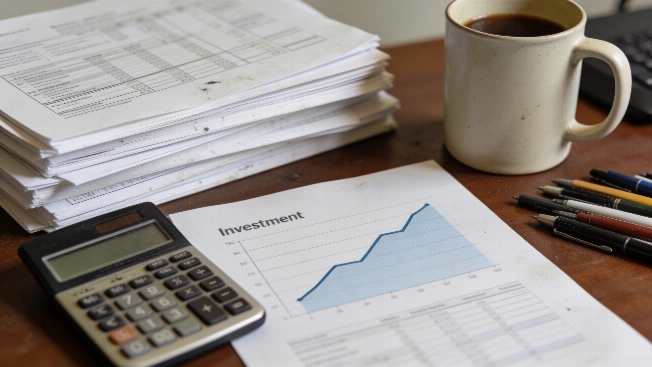
How to Build a $1 Million Portfolio: A Simple Guide
Consistent investing in a broad-based index fund like the Vanguard S&P 500 ETF can turn regular monthly contributions into a seven-figure portfolio over time, but the timeline and risks depend on your discipline, market returns, and starting point
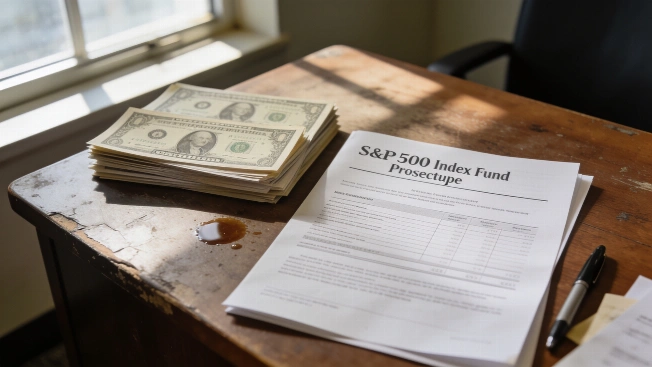
What Happens When You Buy the Dip in the Stock Market?
Investors who consistently put money into the S&P 500 during major downturns have historically seen significant long-term gains, but the strategy requires discipline, patience, and a clear understanding of market cycles
The Retirement Nest Egg You'll Need In Each State
Consistent saving and resisting lifestyle inflation can help you build a substantial net worth-even without a high salary. Learn how compounding, automation, and disciplined habits can accelerate your financial progress over time

The Single Most Important Trait for Successful Long-Term Investing
Long-term investing success depends less on picking stocks and more on maintaining patience and discipline-traits that help investors avoid costly mistakes and benefit from decades of compounding returns

Bill Ackman's Simple $1,000 Investing Strategy
Billionaire investor Bill Ackman outlines a practical approach for new investors with $1,000, emphasizing low debt, businesses you respect, and a long-term mindset-key factors that can help avoid common pitfalls and market shocks

Building a $1 Million Retirement Fund with $500 Monthly Investments
Consistently investing $500 a month in a low-cost stock market ETF could grow to over $1 million in 30 years, but actual results depend on market returns, contribution discipline, and realistic expectations about risk and volatility

Could a $50,000 Investment in the S&P 500 Grow to $1 Million?
A $50,000 lump-sum investment in an S&P 500 index fund could potentially reach $1 million over several decades, but the outcome depends on future market returns, compounding, and the investor's time horizon

The Schwab U.S. Dividend Equity ETF: A Long-Term Income Generator
With a 3.3% yield and a focus on high-quality dividend stocks, the Schwab U.S. Dividend Equity ETF offers investors a way to build growing income streams over time-if they reinvest and stay patient through market cycles

Making Sense of Modern Crypto
Many Americans regret not saving enough for retirement as longer lifespans and rising healthcare costs strain personal finances. Early, consistent contributions-even small ones-can significantly improve future security

How Much Millennials Have Saved So Far for Retirement
Vanguard data shows the typical millennial has less than $50,000 saved for retirement, but consistent contributions and compounding could still put a $1 million nest egg within reach for many-if they start early and increase savings rates

Chasing a Magic Number: The Real Cost of Extreme Saving
Millions of Americans are cutting spending to the bone in pursuit of financial independence, but experts warn that sacrificing your best years for a future goal may not deliver the payoff many expect
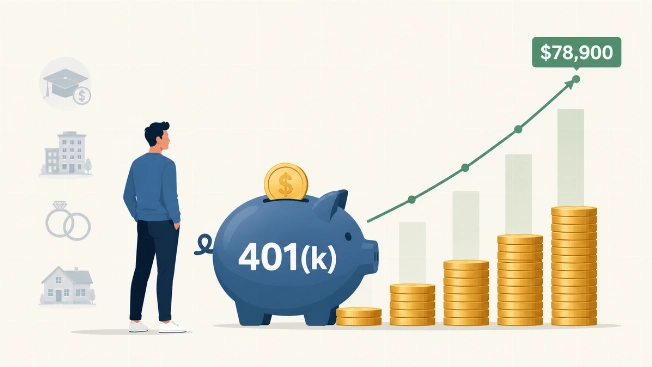
Median 401(k) Balances for Workers in Their 30s: What to Know
The typical 401(k) balance for Americans in their 30s is now $78,900, but competing financial demands and access to retirement plans can make saving a challenge for many in this age group