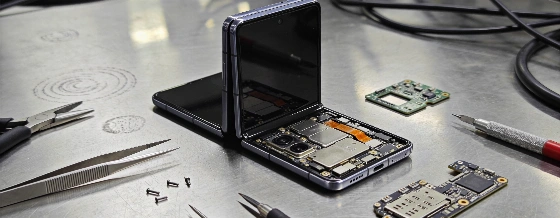
Apple is set to debut a foldable iPhone priced above $2,500, aiming to capture high-margin buyers as global smartphone shipments plunge and component costs surge. The move tests whether exclusivity and innovation can sustain growth amid industry contraction.
Apple is preparing to launch its most expensive iPhone to date-a foldable model expected to retail for over $2,500-as the global smartphone market contracts at an unprecedented pace. With unit shipments forecast to drop 16.7% in 2026 (IDC), Apple is shifting its strategy to focus on affluent buyers willing to pay a premium for innovation, betting that higher prices can offset declining volumes and rising component costs.
Premium Pricing in a Shrinking Market
Apple is expected to unveil its first foldable iPhone, often referred to as iPhone Fold or iPhone Ultra, at a major event on September 9, according to Reuters, Bloomberg, and Euronews.
The rumored foldable iPhone-potentially featuring a display rivaling the iPad mini-is slated for a September 9 unveiling. While Apple has not confirmed specifics, analysts anticipate the device will establish a new ultra-premium category. Bloomberg cites IDC projections that Apple could ship over 17 million foldable iPhones by 2027, capturing 40% of the global foldable market and generating more than $45.7 billion in segment value.
Apple's Upmarket Shift and Investor Stakes
Apple's timing is calculated. While iPhone shipments are expected to dip just 1.3% in 2026, Android shipments could plunge 24.3%. Apple's iOS market share is projected to reach a record 23.6%. The company is prioritizing fewer, higher-priced devices for its most loyal and affluent customers. Even modest unit sales at a $2,500-plus price could create a significant new revenue stream, leveraging Apple's installed base of over 2.5 billion active devices worldwide.
IDC forecasts that global shipments of foldable smartphones will grow by 12.6% to reach 22.9 million units in 2026, even as total smartphone shipments decline sharply. The launch of Apple's foldable is expected to significantly boost this segment, with more than 10 million units projected to ship in the first year alone.
Supply Chain Pressures and Margin Risks
Apple's fiscal Q3 results show resilience: revenue up 16% to $109.4 billion, diluted EPS up 29% to $2.02, and gross margin at 50.1%. However, the company has warned of "very significant" supply-chain shortages, especially in memory and storage. These constraints have already triggered price hikes on Mac and iPad models and could complicate the rollout of a complex foldable device.
IDC data indicates memory now comprises over 65% of the bill of materials for lower-end smartphones. For Apple, a high-priced foldable could help absorb these costs and protect margins, but scaling production amid component shortages remains a major operational risk. Meeting demand may prove as challenging as convincing buyers to pay luxury prices.
Leadership Transition and Strategic Implications
The September launch will be the first major product reveal under new CEO John Ternus, succeeding Tim Cook on September 1. Ternus inherits a company with quarterly sales exceeding $100 billion but faces a market where growth depends on extracting more value from a shrinking customer base. Apple's future hinges on persuading a smaller share of users to pay substantially more for innovation and status.
For investors, the risk-reward calculus is stark. Success could allow Apple to capture an outsized share of industry profits even as overall sales decline. Failure to attract buyers at the projected price risks missing the only meaningful growth pocket while absorbing higher production costs.
IDC reports global smartphone shipments fell 7.4% year over year to 276.3 million units in Q2 2026. The U.S. consumer price index for electronics rose 4.1% in the same period, underscoring persistent supply chain and component cost pressures.
Apple's strategy marks a decisive shift in consumer tech: fewer upgrades, higher prices, and a focus on premium buyers. For most Americans, frequent, affordable smartphone upgrades are becoming a relic. The $2,500 foldable iPhone is a calculated gamble-if enough buyers see value in luxury pricing, Apple could redefine the premium market. If not, the company faces a costly experiment and a tougher growth path. Apple's move is bold and rational given the economics, but its success depends entirely on affluent consumers' willingness to pay for exclusivity and innovation in a contracting market.
Foldable smartphones blend phone portability with tablet-sized screens. While early competitors like Samsung have struggled with durability and high costs, Apple's entry could accelerate mainstream adoption if it delivers on quality and user experience. For consumers, the trade-off is explicit: advanced features and design come at a steep price, and the decision to upgrade will hinge on both personal finances and perceived value.