Bank of America's latest dividend hike means Warren Buffett's Berkshire Hathaway will collect $619 million a year, even after trimming its stake. Here's what the payout increase signals for investors and how the bank's fundamentals stack up
Dividend-paying stocks rarely generate the same buzz as high-growth tech names, but for investors focused on long-term income, steady and rising payouts can be a powerful driver of returns. Recent commentary from Merrill and Nuveen strategists has emphasized that companies with a consistent record of dividend growth often weather market volatility better than those that simply offer high yields.
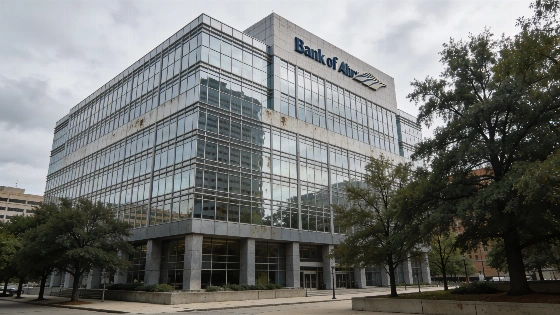
Bank of America stands out as a case in point. The company's board approved a 14% increase to its quarterly dividend in July, raising the payout to $0.32 per share. This brings the forward annual dividend to $1.28 per share, payable to shareholders of record as of September 4, with the next payment scheduled for September 25. CEO Brian Moynihan attributed the increase to the bank's earnings strength and franchise stability.
Buffett's Berkshire Still Cashing In
Warren Buffett's Berkshire Hathaway, which has held Bank of America stock for more than a decade, remains one of the bank's largest shareholders. Even after selling about 30.2 million shares-a 5.9% reduction worth roughly $1.7 billion-Berkshire still owns 483,394,015 shares, according to recent SEC filings. At the new dividend rate, Berkshire is set to receive approximately $619 million in annual dividend income from Bank of America alone. This income stream continues to grow, even as Berkshire's portfolio evolves under the influence of Buffett's designated successor, Greg Abel.
Bank of America's dividend profile is notable for its consistency. The bank has paid a dividend every year since 1991, and the latest increase extends a decade-long streak of steady growth. The current dividend yield stands at about 1.9%, with a payout ratio near 28%-a level that leaves room for further increases without putting pressure on the bank's balance sheet. For context, the bank's estimated earnings per share for 2026 are $4.68, and its 10-year annualized dividend growth rate is roughly 15.6%.
Strong Quarter Supports Higher Payout
The dividend hike followed a robust second quarter. Bank of America reported net income of $9.1 billion, up 27% from the prior year, and earnings per share rose 34% to $1.21. Revenue climbed 15% to $31.6 billion, while return on tangible common equity reached 17%. The bank returned $8 billion to shareholders through dividends and buybacks during the quarter, and its common equity Tier 1 capital stood at nearly $202 billion, well above regulatory minimums. Executives also raised full-year operating leverage guidance, citing stronger net interest income and fee revenue as key drivers.
For investors tracking major dividend payers, Bank of America's approach contrasts with other blue-chip stocks in Berkshire's portfolio. For example, Coca-Cola's long-running dividend streak delivers even larger annual checks to Berkshire, as detailed in this analysis of Coca-Cola's dividend impact on Berkshire Hathaway.
Analyst Views and Market Implications
Analyst sentiment toward Bank of America has improved since the dividend announcement and earnings beat. JPMorgan recently raised its price target to $68, while UBS and Barclays have reiterated buy ratings with targets above $70. The average 12-month price target for BAC stock now sits in the high $60s, suggesting potential upside if the bank maintains its current trajectory. Despite Berkshire's partial sale, Bank of America remains one of its five largest U.S. equity holdings, accounting for about 8.3% of the portfolio, behind Apple, American Express, Coca-Cola, and Alphabet.
For income-focused investors, Bank of America's combination of a growing dividend, conservative payout ratio, and solid earnings growth makes it a closely watched name among large-cap banks. The bank's ability to return capital to shareholders while maintaining strong regulatory capital levels is a key factor in its appeal, especially as market conditions remain uncertain and regulatory scrutiny of large banks persists.
Bank of America's dividend strategy highlights the trade-offs investors face when balancing income and growth. While a rising payout can enhance yield on cost over time, it's important to consider the sustainability of those increases, the underlying earnings power of the company, and the broader market environment. Dividend growth stocks may offer a measure of resilience during periods of volatility, but they are not immune to sector-specific risks or shifts in interest rates. Investors should weigh these factors alongside their own income needs, risk tolerance, and investment horizon when evaluating bank stocks and other dividend payers.