Best Buy's incoming CEO is rolling out a plan to open smaller-format stores in untapped markets, aiming to revive sales and expand reach as the company navigates leadership changes and shifting consumer habits
Best Buy is preparing for a major shift in its retail strategy as Jason Bonfig, set to become the company's sixth chief executive on November 1, introduces a plan to open smaller-format stores in communities that have never hosted a full-size Best Buy. The move comes after years of sluggish sales growth and reflects a broader effort to adapt to changing consumer behavior and rising operating costs.
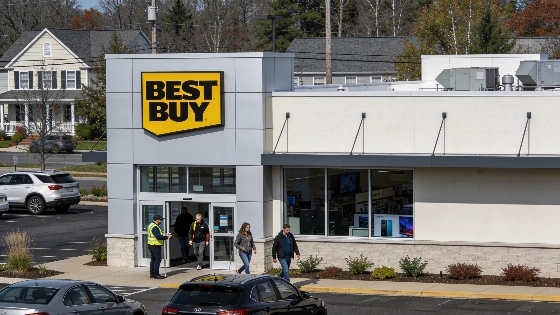
Traditionally, Best Buy's big-box stores have required a large local customer base to justify the expense of 40,000-square-foot showrooms. Bonfig's approach targets towns and neighborhoods that couldn't previously support such a footprint. The new compact stores, ranging from 12,000 to 15,000 square feet, are designed to lower overhead and allow the company to reach customers who have so far only shopped online or not at all. According to reporting by TheStreet, Best Buy recently opened two of these smaller stores-one in Jonesboro, Arkansas, and another in Cape Cod, Massachusetts. In Jonesboro, the company is returning after a tornado destroyed its previous location.
Expanding Reach and Diversifying Revenue
Bonfig's plan is not just about store size. He has outlined a broader transformation, positioning Best Buy as a retail, media, advertising, and technology company rather than a pure electronics seller. This includes expanding higher-margin businesses such as Best Buy Ads and the Best Buy Marketplace, which allows third-party sellers to list products on the company's platform. Both segments contributed to growth in the most recent quarter. Best Buy is also investing in artificial intelligence, developing shopping tools and pursuing partnerships with OpenAI and Google to help customers discover and set up products more efficiently.
The company's leadership transition comes at a delicate time. Alongside Bonfig's appointment, Best Buy is searching for a new chief financial officer after Matt Bilunas stepped down at the end of July. Executive turnover during a strategic pivot can raise concerns about continuity and execution, especially as the company seeks to balance innovation with operational stability. For investors, the question is whether these changes will translate into sustainable growth or introduce new risks.
Financial Performance and Market Reaction
Best Buy's latest quarterly results offered some encouragement. For the first quarter of fiscal 2027, the company reported enterprise revenue of approximately $8.94 billion and adjusted earnings of $1.28 per share, according to its SEC filing. Comparable sales rose 2%, reversing a trend of sluggish growth in recent years. Gains were led by gaming, computing, and mobile phones, while appliance sales remained weak. The company maintained its full-year outlook, projecting comparable sales in a range from down 1% to up 1% and adjusted earnings between $6.30 and $6.60 per share.
Investors responded positively to the results and Bonfig's strategic vision. Best Buy shares climbed about 15% on the day of the earnings release, though they closed at $86.26 on July 31, down 1.8% for the day but up more than 10% over the prior month. The stock trades at a price-to-earnings ratio near 16 and offers a dividend yield above 4.4%, with a quarterly payout of 96 cents per share. For income-focused investors, the dividend remains a key part of the investment case.
Opportunities and Risks of the Smaller-Store Model
Supporters of the new strategy see several advantages. Smaller stores cost less to build, stock, and operate, freeing up capital for other initiatives. By entering suburban and rural markets previously out of reach, Best Buy can broaden its customer base without the expense of traditional big-box locations. The company is also following a path tested by other major retailers-Target, Macy's, and IKEA have all experimented with smaller footprints to reach underserved areas.
Yet the approach is not without risks. Managing a network of smaller stores can complicate supply chains and inventory planning, potentially leading to stockouts or inefficiencies. Thin retail margins and weak appliance demand could limit profit growth, even if sales volumes improve. The ongoing CFO search adds another layer of uncertainty, as financial leadership is critical during periods of strategic change. Investors will be watching closely to see if the new stores add incremental sales or simply shift business away from larger locations.
What to Watch Next
For those holding or considering Best Buy stock, several markers will indicate whether the new strategy is working. Comparable sales growth will be the primary test-success depends on the smaller stores generating new business rather than cannibalizing existing sales. Operating margins should also be monitored, as lower overhead and higher-margin revenue streams from advertising and the marketplace could improve profitability over time. The next major checkpoint will be the company's fiscal second-quarter earnings report, expected on August 27, which should provide more detail on the performance of the new store formats and any updates to full-year guidance.
Best Buy's willingness to rethink its store model reflects a broader trend among retailers adapting to shifting consumer preferences and economic pressures. As the company navigates leadership changes and tests new formats, investors are weighing the potential for long-term growth against the risks of operational complexity and market saturation. For a look at how other companies are managing strategic pivots amid market volatility, see how Charles Schwab's business mix is evolving in response to shifting investor sentiment in this analysis of Schwab's recent performance.
Retailers experimenting with smaller-format stores are responding to a fundamental shift in how Americans shop for electronics and household goods. As e-commerce captures a larger share of sales, physical stores must justify their costs by offering convenience, service, or unique experiences. For Best Buy, the challenge will be to balance the efficiencies of a leaner footprint with the need to maintain inventory, service quality, and brand presence across diverse markets. The outcome will depend on execution, consumer response, and the company's ability to adapt as the retail landscape continues to evolve.