
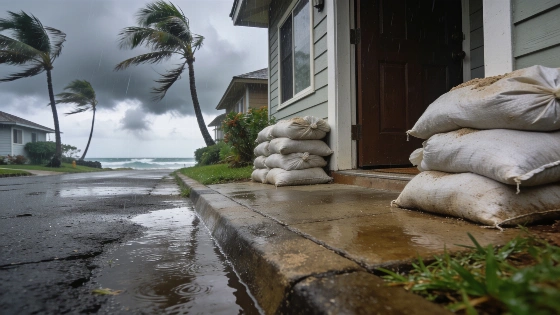
Tropical Storm Lala is forecast to become a hurricane as it nears Hawaii Island, bringing the risk of severe flooding, property damage, and insurance claims across the state this weekend
Tropical Storm Lala is intensifying as it approaches Hawaii Island, with forecasts indicating it will reach hurricane strength by Saturday morning. The National Weather Service has issued a Hurricane Warning for Hawaii Island, meaning hurricane-force winds are expected within 36 hours. Residents are being urged to complete preparations to protect life and property before conditions deteriorate, as outside activity may soon become hazardous.
Other islands, including Maui County, Oahu, and Kauai County, are under Tropical Storm Warnings, signaling the likelihood of damaging winds and heavy rain. A Flood Watch is also in effect for Hawaii Island and Maui County through late Saturday night, and for Oahu, Kauai, and Niihau from Saturday evening through late Sunday night. The National Weather Service has warned that rainfall totals could reach 10 to 20 inches on Hawaii Island, with isolated areas potentially seeing up to 25 inches. Maui could see 8 to 12 inches, while the rest of the island chain may receive 4 to 8 inches. These levels of rainfall raise the risk of life-threatening flash floods and mudslides, especially in mountainous or steep terrain.
As of 11 p.m. Friday, Lala's center was located about 165 miles from South Point and 375 miles from Honolulu, moving west-northwest at 13 mph. Maximum sustained winds were near 65 mph, with higher gusts. The storm's path is expected to bring its core near the Big Island on Saturday, then south of the smaller islands on Sunday. Wind speeds on mountain slopes and ridges may be up to 30% stronger than those at lower elevations, increasing the risk of property damage and power outages in exposed areas.
Storm surge and high surf are additional threats. A High Surf Warning is in effect for east-facing shores of Hawaii Island, Maui, Molokai, and Oahu through Sunday morning. The combination of storm surge and high tide could flood normally dry coastal areas, posing risks to homes and infrastructure near the shoreline. Homeowners and renters should review their insurance coverage, as standard policies often exclude flood damage. According to the Federal Emergency Management Agency (FEMA), just one inch of floodwater can cause more than $25,000 in damage to a home, underscoring the importance of flood insurance in hurricane-prone regions.
For travelers and businesses, the storm's timing could disrupt flights, supply chains, and local commerce. The Hawaii Tourism Authority has advised visitors to monitor updates and adjust plans as needed. Past storms have led to significant insurance claims and economic losses, as seen during previous hurricane threats to the islands. For a broader look at how tropical storms have affected Hawaii's property market and insurance sector, see this recent analysis of flood risks and insurance impacts from tropical storms.
According to the Insurance Information Institute, Hawaii homeowners pay an average of $1,102 per year for homeowners insurance, but flood insurance is typically purchased separately through the National Flood Insurance Program (NFIP) or private insurers. As of 2023, fewer than 12,000 NFIP policies were in force across Hawaii, leaving many properties exposed to uninsured flood losses. The state's unique geography and relatively low hurricane frequency have historically limited insurance uptake, but recent storms have prompted more residents to consider supplemental coverage.
Hurricane and tropical storm warnings are issued based on forecasted wind speeds and expected timing. A Hurricane Warning means sustained winds of 74 mph or higher are expected, while a Tropical Storm Warning covers winds of 39 to 73 mph. These warnings are typically issued 36 hours before hazardous conditions are expected to allow time for last-minute preparations. Residents in affected areas should secure outdoor items, review evacuation routes, and ensure they have adequate supplies of food, water, and medications.
Flood insurance policies generally have a 30-day waiting period before coverage takes effect, so new policies purchased now will not cover imminent losses from Lala. Homeowners and renters should also be aware of policy exclusions and deductibles, as well as the claims process in the event of storm-related damage. After a major weather event, insurers may face a surge in claims, which can lead to processing delays and disputes over coverage. Documenting property condition before the storm and keeping records of repairs and expenses can help streamline the claims process.
While Hawaii's hurricane season runs from June through November, the state's exposure to severe storms is highly variable from year to year. The presence of a mid-level high pressure system north of the islands is steering Lala west-northwest, but short-term deviations in the storm's track remain possible. Residents and businesses should continue to monitor official updates and be prepared for rapidly changing conditions as the weekend unfolds.
Flood insurance is a specialized product designed to cover losses from rising water, which is not included in standard homeowners or renters insurance policies. The National Flood Insurance Program (NFIP), managed by FEMA, offers coverage to property owners in participating communities, but coverage limits and exclusions apply. Private flood insurance options have expanded in recent years, sometimes offering higher limits or broader coverage, but premiums and terms can vary widely. For homeowners in hurricane-prone areas, understanding the difference between wind and flood coverage is critical to managing financial risk during severe weather events.