
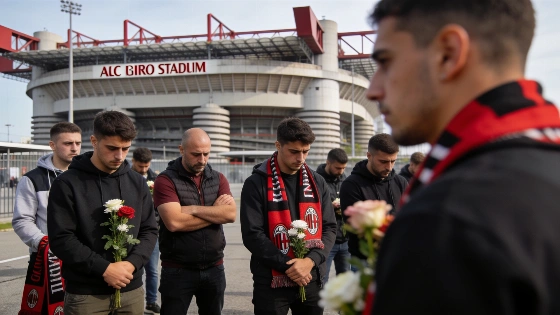
The death of Franco Baresi at 66 marks the end of an era for Italian soccer and the global sports economy, raising questions about the financial and cultural impact of legendary athletes on clubs, fans, and the broader market
The passing of Franco Baresi at age 66 has sent ripples through the international soccer community, not only as a personal loss but as a moment that highlights the financial and cultural influence of iconic athletes. Baresi, who captained both AC Milan and the Italian national team, was more than a sports figure—he was a brand, a symbol of loyalty, and a driver of club value. His career, spanning nearly two decades with Milan, saw him play 719 matches and win six Serie A titles and three European Cups, achievements that contributed to the club’s global reputation and commercial appeal.
For clubs like AC Milan, the legacy of a player like Baresi extends far beyond the pitch. His presence helped shape the club’s identity, attract sponsorships, and build a loyal fan base that translated into merchandise sales, ticket revenue, and international recognition. The retirement of his iconic number 6 jersey was not just a tribute but a strategic move to preserve the club’s heritage and market value. As Milan and its supporters mourn, the financial implications of losing such a figure are real: clubs often see a surge in memorabilia sales and renewed interest in their history, but also face the challenge of maintaining relevance without their legendary leaders.
Financial Impact of Sports Icons
Baresi’s story is a case study in how individual athletes can influence the economics of sports organizations. His rise from a small-town youth club to Milan’s captaincy at 22, and his resilience through setbacks—including two relegations and a serious illness—embodied the kind of narrative that sponsors and marketers seek. The emotional connection fans feel for such players often translates into long-term financial benefits for clubs, from increased brand loyalty to higher engagement on digital platforms. The value of a club’s brand, as measured by consulting firms like Brand Finance, can be significantly affected by the presence—or absence—of legendary figures.
In the broader context, the passing of a sports icon can also affect the collectibles market. Limited-edition jerseys, signed memorabilia, and vintage match footage often see a spike in demand following such news. For investors and collectors, the timing and authenticity of these items become critical, with prices sometimes rising sharply in the weeks after a high-profile death. However, these gains can be volatile and are subject to shifts in fan sentiment and broader market trends.
Soccer’s Global Business
Soccer remains one of the world’s most lucrative sports, with clubs like AC Milan generating hundreds of millions of dollars annually from broadcasting rights, sponsorships, and merchandise. According to Deloitte’s Football Money League, Milan ranked among the top 20 revenue-generating clubs in the world in recent years, with annual revenues exceeding $200 million. The club’s international profile owes much to its history of success and the personalities who defined its golden eras. Baresi’s leadership during the late 1980s and early 1990s coincided with a period of dominance that helped Milan expand its global fan base, particularly in the U.S. and Asia.
For U.S. investors and fans, the story of Baresi and Milan offers insight into how European soccer clubs leverage their heritage to attract international capital and partnerships. American private equity firms and institutional investors have increasingly targeted European clubs, seeking to capitalize on their global reach and brand equity. The enduring appeal of legendary players is a key asset in these transactions, as clubs look to monetize their history through digital content, licensing, and experiential offerings.
Legacy and Succession
Baresi’s journey from a youth player in Travagliato to a global soccer icon underscores the importance of talent development and succession planning in sports organizations. After retiring in 1997, he remained involved with Milan as a vice president and youth coach, helping to shape the next generation of players. This continuity is vital for clubs seeking to maintain their competitive edge and financial stability. The challenge for Milan and similar organizations is to balance nostalgia with innovation, ensuring that the legacy of past heroes supports, rather than overshadows, future growth.
In the wake of Baresi’s death, Milan and its stakeholders face both an emotional and a strategic crossroads. The club’s ability to honor its history while adapting to the evolving sports business landscape will be closely watched by fans, investors, and industry analysts alike. As the global soccer economy continues to grow, the stories of players like Baresi serve as reminders of the enduring connection between athletic achievement, financial value, and cultural identity.
According to Deloitte’s 2024 Football Money League, AC Milan reported revenues of approximately $265 million for the 2022-2023 season, reflecting a 12% increase from the previous year. Merchandise sales, including retro jerseys and memorabilia, accounted for a significant portion of this growth, highlighting the ongoing commercial impact of the club’s storied past and its legendary players.
The economics of sports memorabilia illustrate how emotional attachment and scarcity drive value. When a legendary athlete passes away, demand for authentic collectibles often spikes, but prices can fluctuate as initial sentiment fades. For buyers, verifying authenticity and understanding market cycles are essential to avoid overpaying during periods of heightened emotion. Clubs, meanwhile, must navigate the fine line between honoring their history and commercializing it, ensuring that tributes remain respectful while supporting long-term brand value.