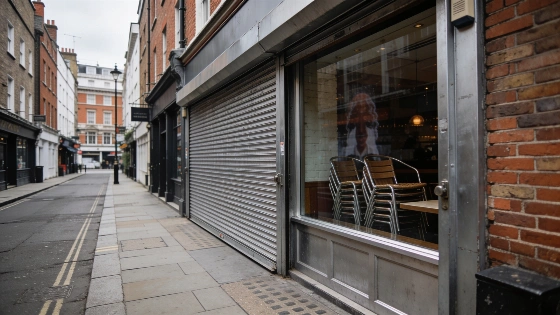
Bodean's BBQ, a well-known London chain serving American-style barbecue, has closed all its remaining locations amid rising costs and shifting consumer trends, highlighting the challenges facing international restaurant brands
American barbecue has long been a culinary export, with Texas, Memphis, and Kansas City styles gaining traction in cities around the world. Yet even as global demand for U.S.-inspired barbecue grows, not every restaurant chain is able to withstand the pressures of rising costs and changing consumer habits. This week, Bodean's BBQ, a London-based chain known for its Kansas City-style smoked meats, abruptly closed all its remaining locations after more than two decades in business, according to reporting by TheStreet.
Bodean's BBQ Built a Following in London
Bodean's BBQ first opened in London's Soho district in 2002, well before the city's barbecue boom. The restaurant quickly became a destination for locals and tourists seeking authentic American barbecue, offering slow-smoked meats, large sharing platters, and a selection of U.S. craft beers rarely found in the UK. At its peak, Bodean's operated eight locations across London, including sites in Tower Hill, Camden, Clapham, Balham, Old Street, and Covent Garden. Over the years, however, several of these locations shuttered as the chain faced mounting operational challenges.
All Remaining Bodean's Locations Have Closed
As of August 11, all three remaining Bodean's BBQ restaurants in London were listed as closed, and the company's website displayed a message apologizing for the inconvenience. The owners have not provided further details about the reasons behind the sudden shutdown. The closures come amid a broader trend of restaurant consolidation and cost-cutting in the UK, as operators contend with higher business rates, increased labor costs, and shifting consumer preferences.
The Global Barbecue Market Is Still Growing
According to a recent report from DataIntelo, the global barbecue restaurant market was valued at $67.4 billion in 2025 and is projected to reach $112.8 billion by 2035, reflecting a compound annual growth rate of 5.9%. Despite this growth, individual chains face significant headwinds, including inflation, supply chain disruptions, and evolving dining habits. Bodean's attempted to adapt by rebranding and focusing more closely on its Kansas City roots, but these efforts were not enough to reverse the decline in foot traffic and profitability.
UK Restaurant Chains Face Rising Costs
The closure of Bodean's follows similar moves by other UK-based restaurant groups. Earlier this month, Bar + Block, another London chain, announced plans to close all 20 of its locations as part of a broader restructuring by parent company Whitbread. The company cited rising business rates and national insurance costs as key factors in its decision, and also plans to close hundreds of Beefeater and Brewers Fayre sites, with some properties being converted to hotel restaurants.
What the Bodean's Closure Means for U.S. Restaurant Operators
For U.S. investors and restaurant operators, the Bodean's shutdown underscores the risks of international expansion in the food service sector. While American cuisine remains popular abroad, success depends on the ability to manage local costs, adapt to regional tastes, and respond quickly to economic pressures. The experience of Bodean's highlights the importance of flexibility and financial discipline for brands operating in competitive global markets.
U.S. Restaurants Are Facing Similar Pressures
In the U.S., restaurant operators are also grappling with higher input costs, labor shortages, and shifting consumer spending patterns. According to the National Restaurant Association, food and labor costs now account for more than 60% of total restaurant expenses, and many operators are raising prices or streamlining menus to protect margins. The fate of Bodean's serves as a cautionary tale for American brands considering overseas growth, especially in markets where economic conditions remain volatile.
Investors Need to Watch Local Market Conditions
For consumers, the closure of international chains like Bodean's may limit dining options and reduce competition, potentially leading to higher prices and less variety. For investors, these developments highlight the need to closely monitor cost structures, local regulations, and consumer trends when evaluating restaurant stocks or considering franchise opportunities abroad.
Growth Does Not Guarantee Restaurant Survival
While the global barbecue market is expected to expand in the coming decade, the path to sustainable growth remains uncertain for many operators. The experience of Bodean's BBQ in London illustrates how even established brands can struggle to survive in a rapidly changing industry, where adaptability and financial resilience are more important than ever.
Why International Expansion Remains Challenging
Restaurant closures often reflect a complex mix of economic, regulatory, and consumer factors. In the UK, rising business rates—local taxes on commercial properties—have put pressure on many hospitality businesses, especially in high-rent urban areas. Labor costs have also increased due to higher minimum wages and national insurance contributions.
For U.S. restaurant operators, understanding these dynamics is critical when expanding internationally, as local cost structures and regulatory environments can differ significantly from those in the United States. Careful market research, flexible business models, and strong financial controls are essential for navigating the risks of global expansion in the food service sector.