Michael Burry is increasing his bets against Nebius and other AI-linked stocks, raising questions about whether the market is overvaluing the future of artificial intelligence infrastructure
Investors have poured billions into artificial intelligence infrastructure stocks in 2026, driving some names to triple-digit gains. Yet not everyone is convinced the boom can last. Michael Burry, the hedge fund manager known for his prescient bet against the housing market in "The Big Short," is expanding his bearish wagers on several AI-related companies, including Nebius, Micron, Oracle, and the iShares Semiconductor ETF.
Why Burry Is Bearish on Nebius
Burry's skepticism toward Nebius intensified after the company's latest earnings report. While Nebius posted explosive growth-revenue up 454% year over year to $582.3 million and core AI revenue up 514%-Burry argues that headline numbers mask deeper risks. He points to Nebius' unusual contract pricing: customers are paying nearly double for short-term access to AI compute power compared to longer-term deals, a pattern more typical of commodity markets in backwardation than of technology infrastructure. Burry questions why buyers would pay a premium for immediate capacity if the underlying hardware is expected to retain value, and why Nebius is extending the depreciation life of its servers from four to five years even as contract prices suggest future compute could lose value quickly.
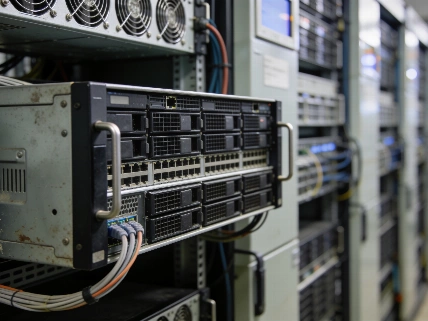
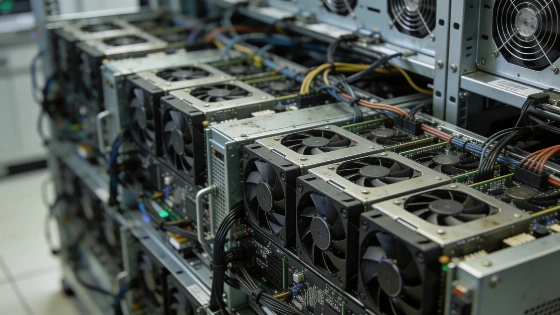
For Nebius, the growth story is hard to ignore. The company's annualized run-rate revenue reached $3 billion, up nearly 600% from a year earlier, and adjusted EBITDA swung from a $21 million loss to a $236 million profit, with margins climbing to 41%. Nebius AI's EBITDA margin hit 50%. Operating cash flow surged to $2.3 billion, giving the company more flexibility to scale. But the expansion is capital-intensive: Nebius spent $5.7 billion on capital expenditures in the quarter, almost ten times its reported revenue, underscoring the high cost of building out AI data centers packed with advanced GPUs.
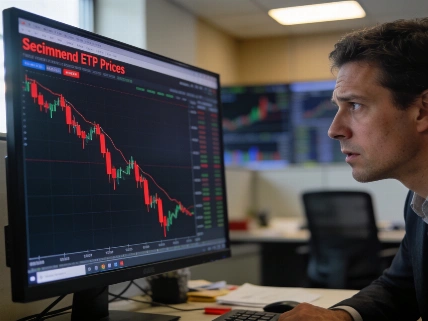
Market enthusiasm has sent Nebius shares up nearly 210% year to date and 244% over the past year, far outpacing the S&P 500's gains. The stock now trades at 73 times trailing sales and 20.5 times forward sales, compared to a sector median of 3.7 and 3.4, respectively, according to Seeking Alpha. Investors appear to be betting on a dramatic ramp in cash flow, with the stock's forward price-to-cash-flow ratio at 8.7, below the sector's 20.7. Yet these lofty valuations hinge on the assumption that demand for AI compute will remain insatiable and that Nebius can maintain its pricing power.
Burry's approach stands out for its contrarian logic. He often looks for disconnects between market euphoria and the underlying economics of a business. In the case of Nebius and other AI infrastructure plays, he's betting that the market is overestimating how long the current boom can last. His strategy typically involves using put options, which allow him to express a bearish view while limiting his capital at risk. According to Scion Asset Management's most recent filings, Burry held put options tied to millions of shares in other AI-linked companies, including Palantir and Nvidia, with underlying values in the hundreds of millions of dollars.
The Broader AI Infrastructure Risk
While many investors remain focused on headline growth, Burry is scrutinizing the sustainability of those numbers. He has also disclosed short positions in Oracle, citing concerns about the company's rising debt and long-term obligations. For Burry, the key questions are what it costs to generate those sales, how much capital must be continually reinvested, and who ultimately bears the risk if demand slows or pricing power fades.
These concerns echo broader debates about the durability of the AI infrastructure rally. As companies race to build out data centers and secure scarce GPU resources, some analysts warn that the pace of investment may be unsustainable if demand normalizes or if new technologies reduce the need for today's high-priced compute. The risk is that companies like Nebius could be left with expensive assets that are less valuable than investors expect.
For context, the Federal Reserve's ongoing focus on inflation and interest rates continues to shape the broader market environment. As highlighted in a recent analysis of Goldman Sachs' shifting priorities, macroeconomic factors can quickly change the calculus for high-growth sectors like AI infrastructure. For more on how inflation data is influencing market expectations, see this discussion of Goldman Sachs' evolving outlook on rate cuts.
Ultimately, Burry's bet is not just about Nebius or any single company. It's a wager that the market's current optimism about AI infrastructure may be pricing in more growth than the underlying assets and economics can deliver over the long term. Whether that view proves correct will depend on how quickly demand for AI compute evolves, how efficiently companies can scale, and whether the economics of today's contracts hold up as the industry matures.
AI infrastructure companies like Nebius operate at the intersection of technology and capital markets, where rapid innovation can drive both extraordinary growth and heightened risk. The economics of data center buildouts, GPU supply, and contract pricing are complex and can shift quickly as technology advances or market conditions change. For investors, understanding the difference between short-term momentum and long-term value is critical-especially in sectors where capital intensity and competition can erode margins as quickly as they appear.