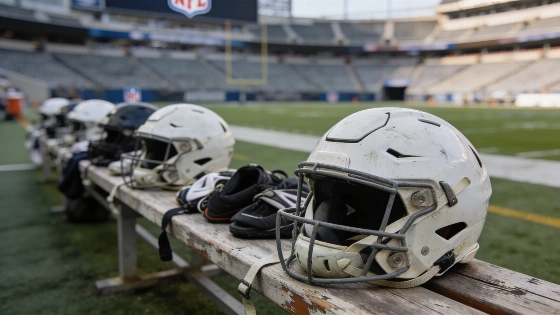
The 2026 NFL preseason opened with rookies and new signings under pressure to deliver. Early performances could influence roster spots, contract negotiations, and team strategies as franchises weigh player development against financial commitments.
The first week of the 2026 NFL preseason offered a revealing look at how teams are managing both on-field performance and the financial implications of roster construction. With rookies and new acquisitions taking center stage, franchises are already facing decisions that could affect payroll, cap space, and long-term planning. As teams evaluate talent, the preseason serves as a critical period for assessing not just athletic ability but also the potential return on investment for high-profile draft picks and free agent signings.
In Thursday's matchups, the Arizona Cardinals secured a 27-14 win over the Las Vegas Raiders, with No. 3 overall pick Jeremiyah Love making a strong case for a significant role in the offense. Love's 58 rushing yards on 11 carries, averaging 5.3 yards per attempt, demonstrated both efficiency and durability-traits that can justify a rookie contract's value. The Cardinals also saw contributions from fifth-round receiver Reggie Virgil, whose one-handed 24-yard catch highlighted the depth of their draft class. However, the team's investment in second-round pick Chase Bisontis is now at risk after he exited with a knee injury, raising questions about the financial and strategic impact of early-season injuries on rookie deals.
For the Raiders, the quarterback competition between veteran Kirk Cousins and top draft pick Fernando Mendoza is more than a football storyline-it's a financial balancing act. Cousins, who led a touchdown drive on his only series, represents a significant cap commitment. Mendoza, meanwhile, showed flashes of promise with 97 passing yards and a touchdown, but also struggled under pressure, completing just 2 of 6 passes for 11 yards when hurried. The Raiders' decision on who starts could influence not only their win-loss record but also future contract negotiations and the allocation of resources to other positions.
The Pittsburgh Steelers' 28-9 victory over the Green Bay Packers was driven by rookie quarterback Drew Allar, who accounted for three touchdowns in his preseason debut. Allar's performance, including a 74-yard touchdown pass and two additional scores, may accelerate the team's transition plan at quarterback, potentially affecting the financial outlook for veteran players. The Steelers also benefited from rookie wide receiver Germie Bernard's yards-after-catch ability and defensive end Gabriel Rubio's six tackles, suggesting that their 2026 draft class could provide cost-effective production across multiple positions.
According to Spotrac, the average rookie contract for a first-round NFL draft pick in 2025 was valued at approximately $16 million over four years, with guaranteed money and signing bonuses making up a significant portion. Injuries or underperformance in the preseason can lead to costly adjustments, including injury settlements or accelerated cap hits, while standout play from lower-round picks can create opportunities for teams to reallocate funds to other needs. The financial stakes of preseason performance are especially high for teams operating near the salary cap or managing expensive veteran contracts.
As the preseason continues, teams will be closely monitoring both player health and performance, knowing that early decisions can have ripple effects on payroll, cap flexibility, and long-term competitiveness. The balance between investing in proven veterans and developing cost-controlled rookies remains a central challenge for front offices seeking to maximize value under the NFL's salary cap structure.
The NFL's salary cap is designed to promote competitive balance by limiting the total amount teams can spend on player salaries each season. This creates a constant trade-off between investing in established talent and developing younger, less expensive players. Rookie contracts are structured with fixed terms and escalating pay based on draft position, but injuries or rapid development can quickly alter a team's financial calculus. Teams that consistently draft well and develop talent internally often gain a strategic advantage, as they can allocate more resources to key free agents or retain core players without exceeding cap limits. Understanding these dynamics is essential for fans and investors tracking the business side of professional football.